If you have any questions, you are always welcome to contact us. We'll get back to you as soon as possible, withing 24 hours on weekdays.
Customer service
All questions about your order, return and delivery must be sent to our customer service team by e-mail at yourstore@yourdomain.com
Sale & Press
If you are interested in selling our products, need more information about our brand or wish to make a collaboration, please contact us at press@yourdomain.com
Help
If you have any questions, you are always welcome to contact us. We'll get back to you as soon as possible, withing 24 hours on weekdays.
Customer service
All questions about your order, return and delivery must be sent to our customer service team by e-mail at yourstore@yourdomain.com
Sale & Press
If you are interested in selling our products, need more information about our brand or wish to make a collaboration, please contact us at press@yourdomain.com
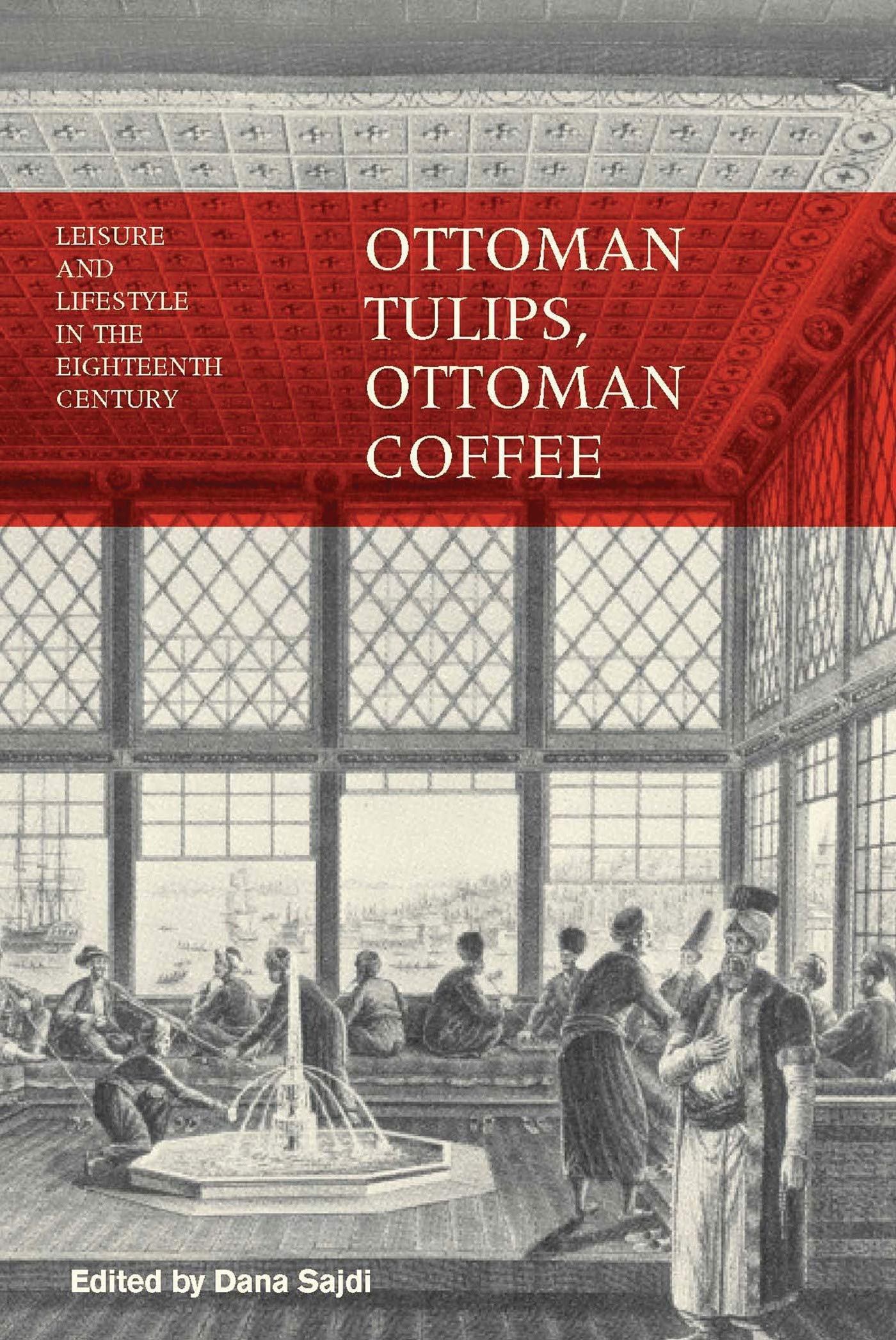
Tulips and coffee are defining cultural products of the Ottoman eighteenth century, along with their related institutions of palace and coffeehouse. These cultural products hold multiple meanings in the history and historiography of the period. They are associated with the daily life of common people and their sociabilities, on the one hand, and with the Ottoman court and imperial legitimacy, on the other.Ottoman Tulips, Ottoman Coffee offers a critical exploration of definitive cultural phenomena of the Ottoman eighteenth century, such as, the coffee house, the printing press, imperial architecture and royal pageantry and festivals. Chapters explore subjects ranging from the changing forms of imperial ritual in Ottoman circumcision celebrations, to the history of the construction of the famed palace of Saadabad, to the reputedly failed project of the first Ottoman printing press. In doing so, the book reassesses the history and unravels the historiography of the socalled 'Tulip Period'. Further, the book also reconsiders the coffeehouse to see it as a multifunctional space, which was used variously for such diverse means and ends as a rebel headquarters, a Sufi lodge, police station and racketeering office.Most importantly this book attempts to transcend current debates about the purported Ottoman eighteenth century cultural and political decline and the twin teleologies of Westernization and modernization. It views the Ottoman Empire in its natural geography of Eurasia and sees its interactions as significantly with the East as much as with the West.
⚠️ WARNING (California Proposition 65):
This product may contain chemicals known to the State of California to cause cancer,
birth defects, or other reproductive harm.
For MAP (Minimum Advertised Price) violations and Intellectual Property (IP) or Trademark concerns, please contact:
support@ergodebooks.com
⚠️ California Proposition 65 Warning: Some products sold on this website may expose you to chemicals known to the State of California to cause cancer, birth defects, or other reproductive harm. For more information, visit www.P65Warnings.ca.gov.