If you have any questions, you are always welcome to contact us. We'll get back to you as soon as possible, withing 24 hours on weekdays.
Customer service
All questions about your order, return and delivery must be sent to our customer service team by e-mail at yourstore@yourdomain.com
Sale & Press
If you are interested in selling our products, need more information about our brand or wish to make a collaboration, please contact us at press@yourdomain.com
Help
If you have any questions, you are always welcome to contact us. We'll get back to you as soon as possible, withing 24 hours on weekdays.
Customer service
All questions about your order, return and delivery must be sent to our customer service team by e-mail at yourstore@yourdomain.com
Sale & Press
If you are interested in selling our products, need more information about our brand or wish to make a collaboration, please contact us at press@yourdomain.com
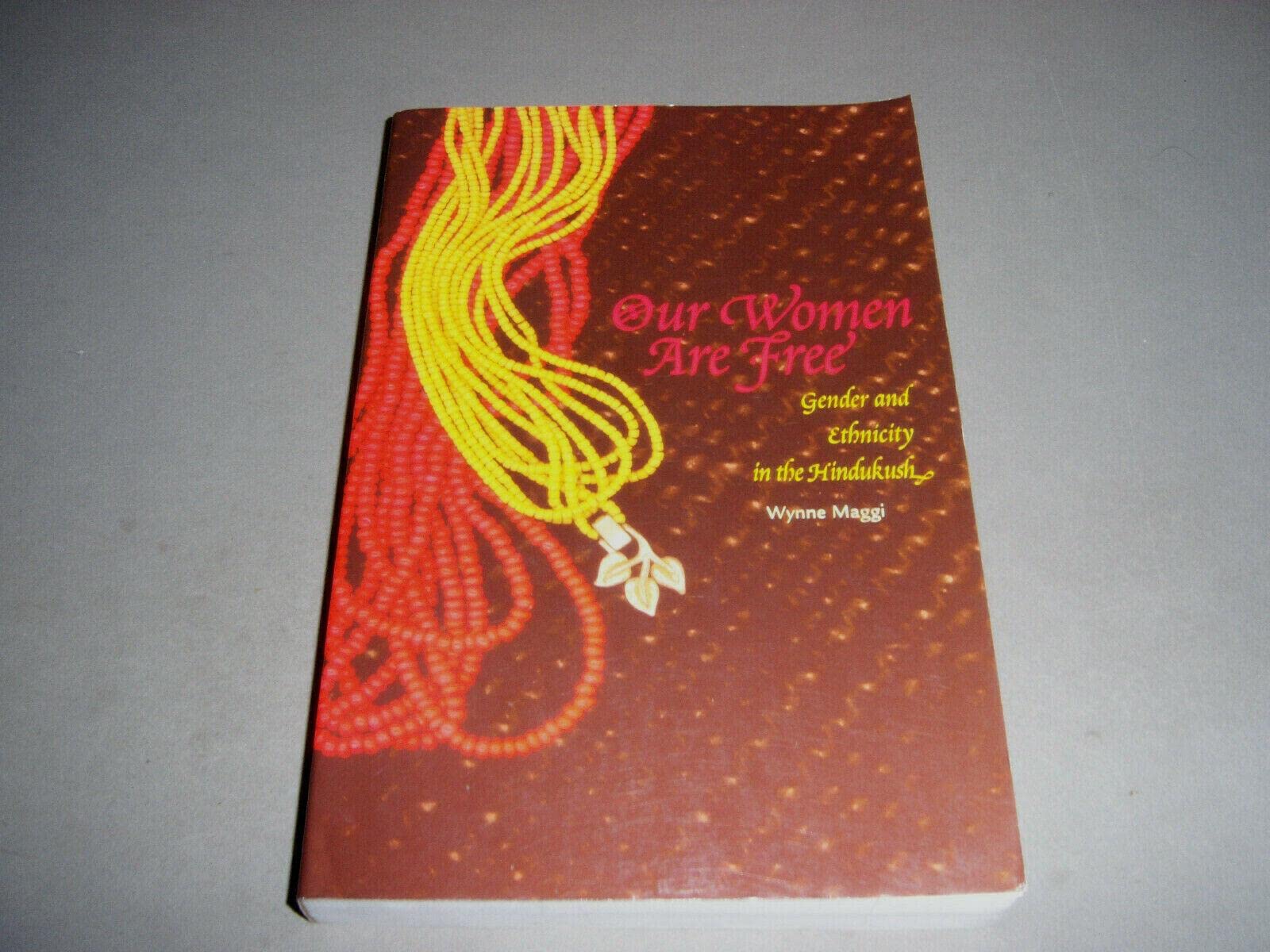
The Kalasha are a dynamic community of about three thousand people living in three tiny finger valleys near Chitral, Pakistan. A tumultuous history has left them the only remaining practitioners of cultural and religious traditions that once extended across the Hindukush into Afghanistan. The Kalasha differ in many ways from the conservative Muslim communities now surrounding them.Yet despite their obvious religious differences with nearby communities, when asked what makes the Kalasha unique, both men and women often reply, 'Our women are free' (homa istrizia azat asan). The concept that Kalasha women are 'free' (azat), that they have 'choice' (chit), is a topic of spirited conversation among the Kalasha. It touches at the heart of both individual women's identities and the collective identity of the community.Our Women are Free introduces the historical and cultural landscape of the Kalasha and describes the role that 'women's freedom' plays as an ethnic marker for the entire community. Throughout the narrative, Wynne Maggi stays close to conversations and events that illustrate the daily life of the community, focusing particularly on the Kalasha people's sense of humor; on the pleasure they take in work, children, ritual, and relationships; as well as on the complexity and seriousness of their social lives.Accessible and thoughtprovoking, Our Women are Free will be of interest to professional anthropologists, area scholars, and other social scientists.Wynne Maggi teaches anthropology and women's studies at the University of Colorado.
⚠️ WARNING (California Proposition 65):
This product may contain chemicals known to the State of California to cause cancer,
birth defects, or other reproductive harm.
For MAP (Minimum Advertised Price) violations and Intellectual Property (IP) or Trademark concerns, please contact:
support@ergodebooks.com
⚠️ California Proposition 65 Warning: Some products sold on this website may expose you to chemicals known to the State of California to cause cancer, birth defects, or other reproductive harm. For more information, visit www.P65Warnings.ca.gov.