If you have any questions, you are always welcome to contact us. We'll get back to you as soon as possible, withing 24 hours on weekdays.
Customer service
All questions about your order, return and delivery must be sent to our customer service team by e-mail at yourstore@yourdomain.com
Sale & Press
If you are interested in selling our products, need more information about our brand or wish to make a collaboration, please contact us at press@yourdomain.com
Help
If you have any questions, you are always welcome to contact us. We'll get back to you as soon as possible, withing 24 hours on weekdays.
Customer service
All questions about your order, return and delivery must be sent to our customer service team by e-mail at yourstore@yourdomain.com
Sale & Press
If you are interested in selling our products, need more information about our brand or wish to make a collaboration, please contact us at press@yourdomain.com
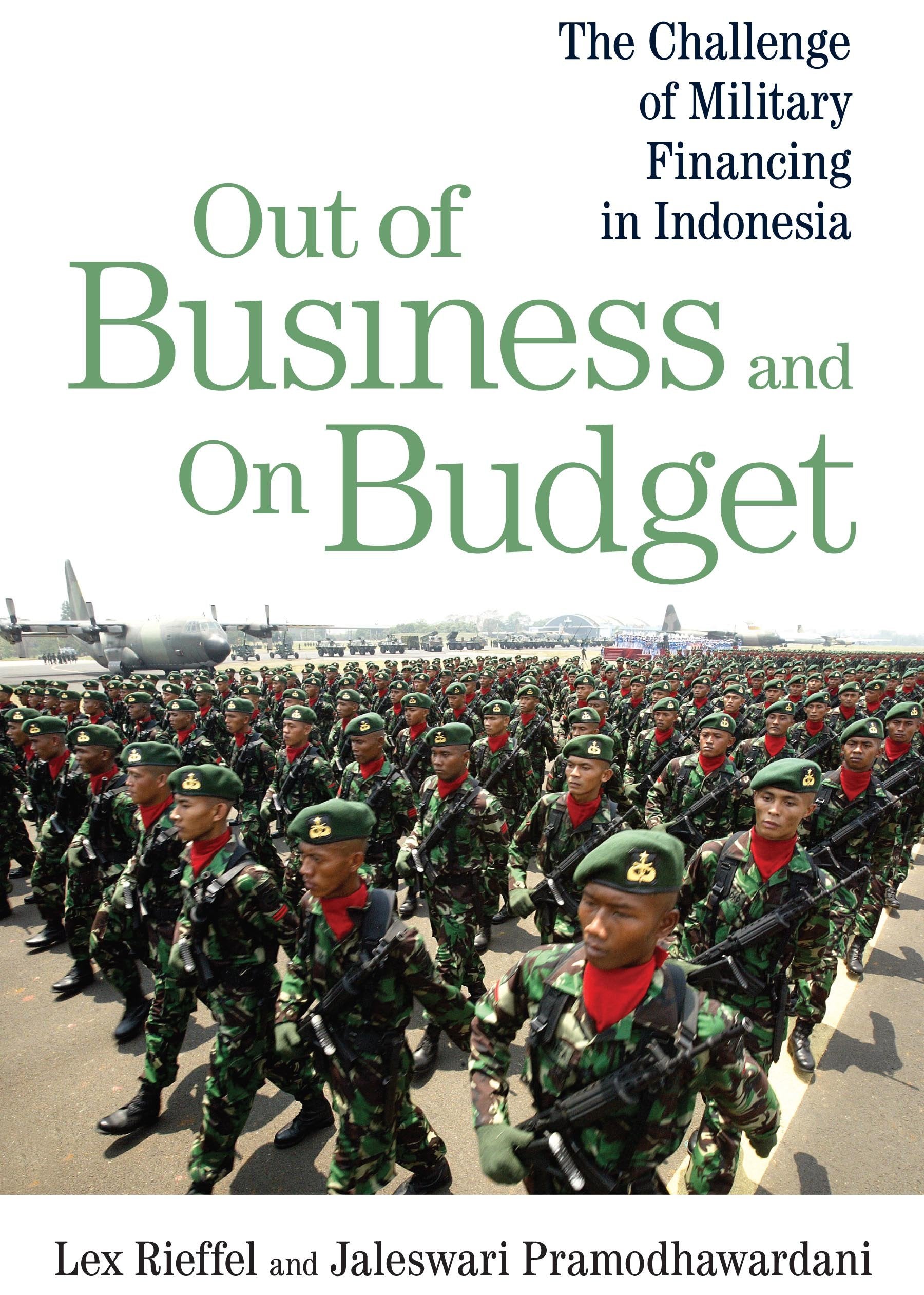
Indonesia has the fourth largest total population and the largest Muslim population of any nation on earth. Indonesia's transition to democracy, thus, is critically important at a time when the West's relationship with much of the Muslim world is problematic and the push for greater democracy worldwide is a U.S. priority. A major impediment to democracy in Indonesia and several other nations is a military establishment that is not financially accountable to civilian leaders and thus nearly impossible to control. This new study examines what is necessary to bring the Indonesian military ''onbudget''what policies are required, what Indonesia can learn from other nations (e.g. China, Turkey),and what a realistic timetable looks like. More than half of what the Indonesian armed forces spend is believed to come from sources other than the national budget. These sources include a vast array of commercial enterprises, nonprofit foundations, cooperatives, and rentseeking activities. Lex Rieffel, who began doing research in Indonesia in 1968 and has extensive experience in economic development and international finance issues, is impressed by the commitment of Indonesia's new government to reduce the role of the armed forces in the economy and make it a fully professional institution. The concise treatment considers not only the requirements but also the ramifications of successor failurein this endeavor and can serve to inform similar efforts in other ''democratizing'' countries, such as Pakistan and Nigeria.'
⚠️ WARNING (California Proposition 65):
This product may contain chemicals known to the State of California to cause cancer,
birth defects, or other reproductive harm.
For MAP (Minimum Advertised Price) violations and Intellectual Property (IP) or Trademark concerns, please contact:
support@ergodebooks.com
⚠️ California Proposition 65 Warning: Some products sold on this website may expose you to chemicals known to the State of California to cause cancer, birth defects, or other reproductive harm. For more information, visit www.P65Warnings.ca.gov.