
Title
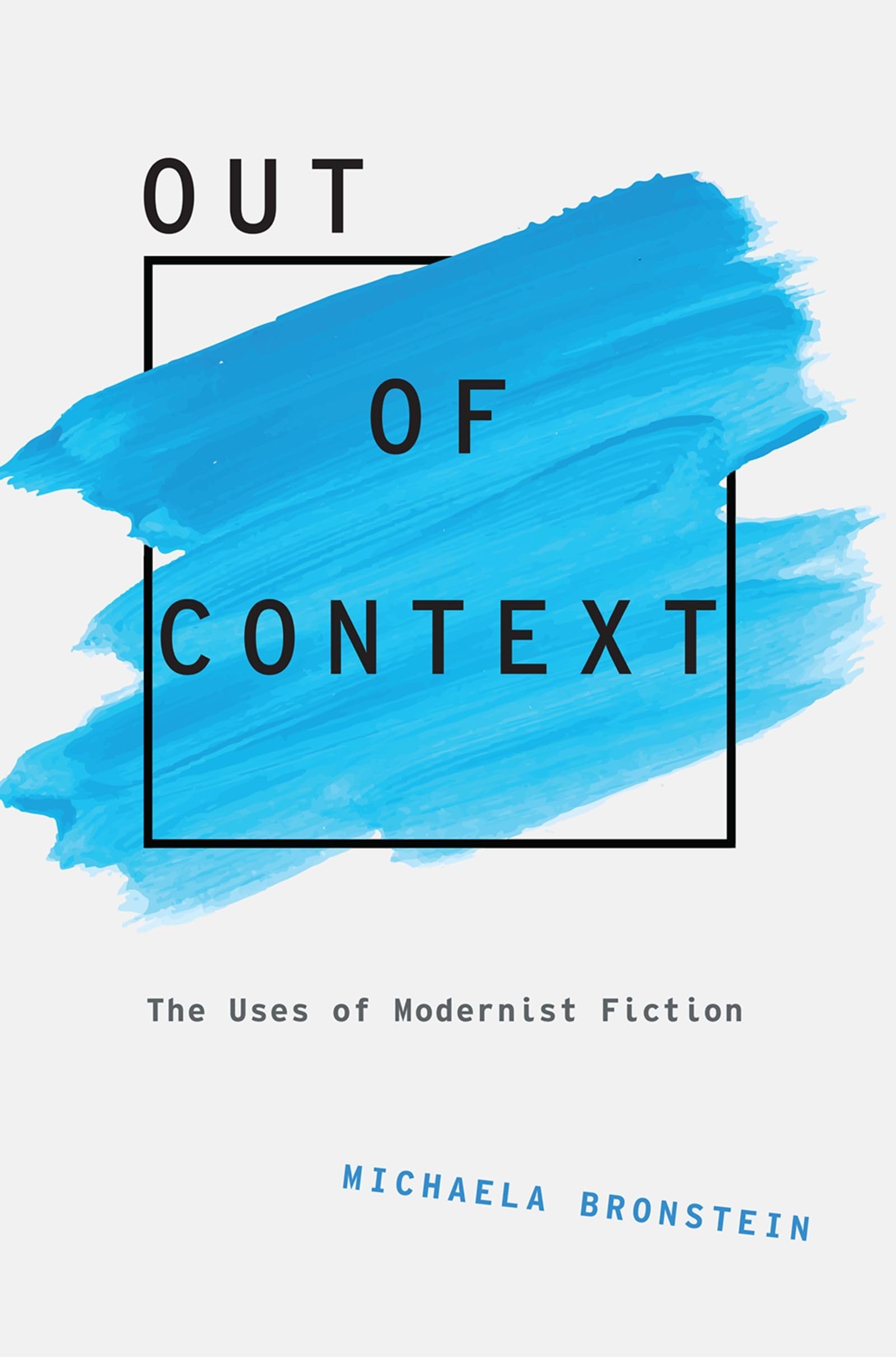
Out of Context: The Uses of Modernist Fiction (Modernist Literature and Culture),Used
Sold by Ergodebooks, an authorized reseller.
Returns accepted within 30 days | support@ergodebooks.com
Shipping Information
- Free Standard Shipping — United States only
- Processing Time: 3–5 business days
- Estimated Delivery: 6–10 business days after dispatch
- Double-boxed, fully insured & discreetly packaged
- Tracking number sent via email once dispatched
Returns & Refund
Returns accepted within 30 days of delivery.
Damaged or Defective Item
Free return shipping + replacement or full refund
Wrong Item Received
Free return shipping + replacement or full refund
Change of Mind
Return shipping at customer's expense · 25% restocking fee applies
Payment Option

How do novels travel through time? How might they endure in a changing world and reach the readers of an unknowable future? Modernist writers were eager to think of their books as reaching audiences they could not yet imagine. In recent years however, scholars of modernism have focused on pinning them down: putting these books in their context and these authors in their place. By looking to the future, scholars fear that looking to the future will make literature disengaged, irresponsible, or apolitical; the worry is that literature cannot escape its own moment without also evading the hard truths of history.Out of Context suggests an alternative to this scholarship, proposing that literature travels through time not by transcending history, but by adapting to historical change. The chapters of this book each pair a modernist author with a later reader. In each case, this future reader is also a novelistsomeone who reads with an eye to form and craft, and who puts what they see to new use in their own novels. James Baldwin adapts Henry James's modes of characterization; Ngugi wa Thiong'o repurposes Joseph Conrad's nonchronological narratives; and Ken Kesey builds on William Faulkner's use of multiple perspectives.Reading the modernists through these authors' eyes offers a different perspective on them. Literary forms, in this history, do not have intrinsic political meanings; they have a multitude of political uses. Rather than see modernist literary form, in all its fragmentation and complexity, as a source of disruption and doubt, these later authors use modernist forms to distill doubts into conviction. The experiments of modernist fiction stand revealed as tools not of political critique but of political commitment.
⚠️ WARNING (California Proposition 65):
This product may contain chemicals known to the State of California to cause cancer, birth defects, or other reproductive harm.
For more information, please visit www.P65Warnings.ca.gov.