
Title
Outer Edge of Ulster: A Memoir of Social Life in NineteenthCentury Donegal,Used
Sold by Ergodebooks, an authorized reseller.
Returns accepted within 30 days | support@ergodebooks.com
Shipping Information
- Free Standard Shipping — United States only
- Processing Time: 3–5 business days
- Estimated Delivery: 6–10 business days after dispatch
- Double-boxed, fully insured & discreetly packaged
- Tracking number sent via email once dispatched
Returns & Refund
Returns accepted within 30 days of delivery.
Damaged or Defective Item
Free return shipping + replacement or full refund
Wrong Item Received
Free return shipping + replacement or full refund
Change of Mind
Return shipping at customer's expense · 25% restocking fee applies
Payment Option

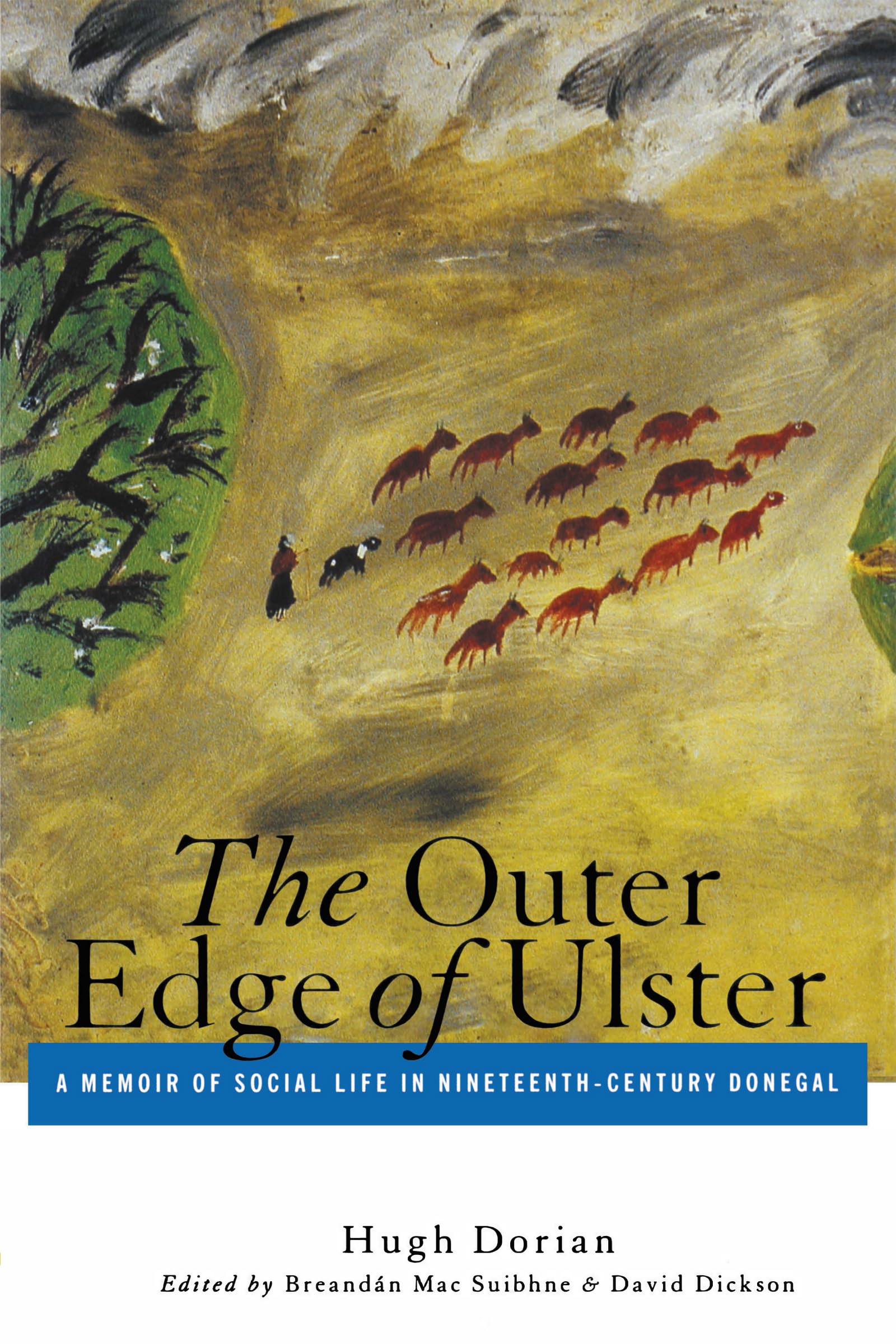
Hugh Dorian was born in poverty in rural Donegal in 1834. He survived Irelands Great Famine, only to squander uncommon opportunities for selfadvancement. Having lost his job and clashed with priests and policemen, he moved to the city of Derry but never slipped the shadow of trouble. Three of his children died from disease and his wife fell drunk into the River Foyle and drowned. Dorian declined into alcoholnumbed poverty and died in an overcrowded slum in 1914. A unique document survived the tragedy of Dorians life. In 1890 he completed a true historical narrative of the social and cultural transformation of his home community. This narrative forms the most extensive lowerclass account of the Great Famine. A moving account of the lives of ordinary people in extraordinary circumstances, it invites comparison with the classic slave narratives of Frederick Douglass and Harriet Jacobs. Dorian achieves a degree of totality in his reconstruction of the world of the preFamine poor that is unparalleled in contemporary memoir or fiction. He describes their working and living conditions, sports and drinking, religious devotions and festivals. And then he describes the catastrophe that obliterated that world. Horror is remembered vividly but with restraint: in a very short time there was nothing but stillness; a mournful silence in the villages; in the cottages grim poverty and emaciated faces showing all the signs of hardships. The picture of starvation is stark but authentic: the cheek bones became thin and high, the cheeks blue, the bones sharp, and the eyes sunk . . .. the legs and the feet swell and get red and the skin cracks . . .. And at last came the dispersion . . . to places which their fathers never heard of and which they themselves never would have seen, had the times not changed. No one," he writes, can measure the distance of the broad Atlantic speedier and better than a father whose child is there. A sense of loss, closer to bereavement than nostalgia, is threaded through the text: it is a lament for the might have been the future as imagined before the Famine rather than the actual past. The final and lasting image is of trauma without recovery: the wisemen who had sat late into the small hours debating politics in the years before the Famine congregated in the after years but sat now in silence their subjects . . . lacking words. Dorians narrative was never published in his own lifetime and all but forgotten after the authors death. First published in Ireland in August 2000, The Outer Edge of Ulster includes a scholarly introduction that traces the troubles that beset the author and locates the narrative in wider literary contexts. Appearing for the first time in America, this critically acclaimed book offers an intimate look at the everyday lives of ordinary people facing extraordinary challenges.
⚠️ WARNING (California Proposition 65):
This product may contain chemicals known to the State of California to cause cancer, birth defects, or other reproductive harm.
For more information, please visit www.P65Warnings.ca.gov.