
Title
Pagan Family Values: Childhood and the Religious Imagination in Contemporary American Paganism (New and Alternative Religions, 3,Used
Sold by Ergodebooks, an authorized reseller.
Returns accepted within 30 days | support@ergodebooks.com
Shipping Information
- Free Standard Shipping — United States only
- Processing Time: 3–5 business days
- Estimated Delivery: 6–10 business days after dispatch
- Double-boxed, fully insured & discreetly packaged
- Tracking number sent via email once dispatched
Returns & Refund
Returns accepted within 30 days of delivery.
Damaged or Defective Item
Free return shipping + replacement or full refund
Wrong Item Received
Free return shipping + replacement or full refund
Change of Mind
Return shipping at customer's expense · 25% restocking fee applies
Payment Option

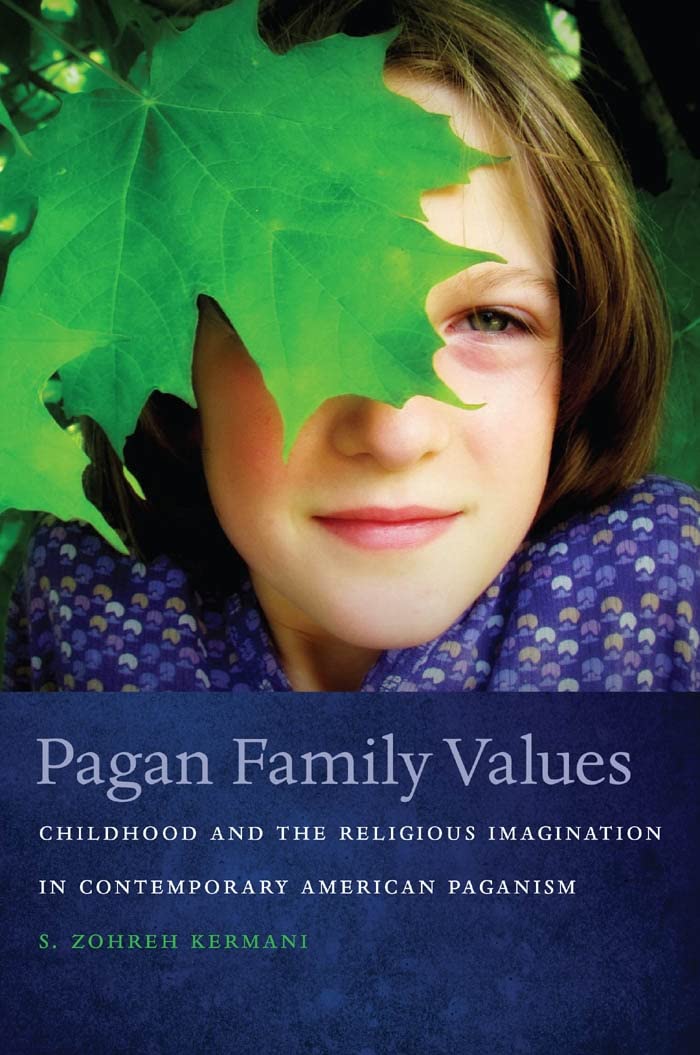
For most of its history, contemporary Paganism has been a religion of converts. Yet as it enters its fifth decade, it is incorporating growing numbers of secondgeneration Pagans for whom Paganism is a family tradition, not a religious worldview arrived at via a spiritual quest. In Pagan Family Values, S. Zohreh Kermani explores the ways in which North American Pagan families pass on their beliefs to their children, and how the effort to socialize children influences this new religious movement.The first ethnographic study of the everyday lives of contemporary Pagan families, this volume brings their experiences into conversation with contemporary issues in American religion. Through formal interviews with Pagan families, participant observation at various pagan events, and data collected via online surveys, Kermani traces the ways in which Pagan parents transmit their religious values to their children. Rather than seeking to pass along specific religious beliefs, Pagan parents tend to seek to instill values, such as religious tolerance and spiritual independence, that will remain with their children throughout their lives, regardless of these children's ultimate religious identifications.Pagan parents tend to construct an idealized, magical childhood for their children that mirrors their ideal childhoods. The socialization of children thus becomes a means by which adults construct and make meaningful their own identities as Pagans. Kermanis meticulous fieldwork and clear, engaging writing provide an illuminating look at parenting and religious expression in Pagan households and at how new religions pass on their beliefs to a new generation.
⚠️ WARNING (California Proposition 65):
This product may contain chemicals known to the State of California to cause cancer, birth defects, or other reproductive harm.
For more information, please visit www.P65Warnings.ca.gov.