
Title
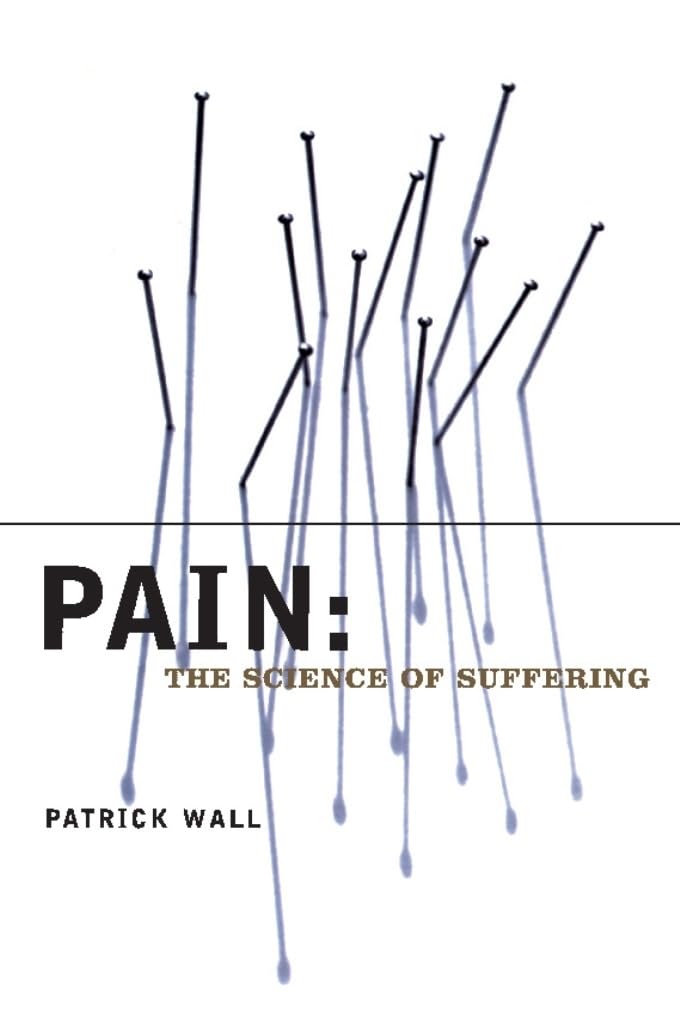
Pain: The Science Of Suffering (Maps Of The Mind),Used
Sold by Ergodebooks, an authorized reseller.
Returns accepted within 30 days | support@ergodebooks.com
Shipping Information
- Free Standard Shipping — United States only
- Processing Time: 3–5 business days
- Estimated Delivery: 6–10 business days after dispatch
- Double-boxed, fully insured & discreetly packaged
- Tracking number sent via email once dispatched
Returns & Refund
Returns accepted within 30 days of delivery.
Damaged or Defective Item
Free return shipping + replacement or full refund
Wrong Item Received
Free return shipping + replacement or full refund
Change of Mind
Return shipping at customer's expense · 25% restocking fee applies
Payment Option

Pain Is One Of Medicine'S Greatest Mysteries. When Farmer John Mitson Caught His Hand In A Baler, He Cut Off His Trapped Hand And Carried It To A Neighbor. 'Sheer Survival And Logic' Was How He Described It. 'And Strangely, I Didn'T Feel Any Pain.' How Can This Be? We'Re Taught That Pain Is A Warning Message To Be Heeded At All Costs, Yet It Can Switch Off In The Most Agonizing Circumstances Or Switch On For No Apparent Reason. Many Scientists, Philosophers, And Laypeople Imagine Pain To Operate Like A Rigid, Simple Signaling System, As If A Particular Injury Generates A Fixed Amount Of Pain That Simply Gets Transmitted To The Brain; Yet This Mechanistic Model Is Woefully Lacking In The Face Of The Surprising Facts About What People And Animals Do And Experience When Their Bodies Are Damaged.Patrick Wall Looks At These Questions And Sets His Scientific Account In A Broad Context, Interweaving It With A Wealth Of Fascinating And Sometimes Disturbing Historical Detail, Such As Famous Characters Who Derived Pleasure From Pain, The Unexpected Reactions Of Injured People, The Role Of Endorphins, And The Power Of Placebo. He Covers Cures Of Pain, Ranging From Drugs And Surgery, Through Relaxation Techniques And Exercise, To Acupuncture, Electrical Nerve Stimulation, And Herbalism.Pain Involves Our State Of Mind, Our Social Mores And Beliefs, And Our Personal Experiences And Expectations. Stepping Beyond The Famous Neurologic Gatecontrol Theory For Which He Is Known, Wall Shows That Pain Is A Matter Of Behavior And Its Manifestation Differs Among Individuals, Situations, And Cultures. 'The Way We Deal With Pain Is An Expression Of Individuality.'
⚠️ WARNING (California Proposition 65):
This product may contain chemicals known to the State of California to cause cancer, birth defects, or other reproductive harm.
For more information, please visit www.P65Warnings.ca.gov.
- Q: What is the binding type of this book? A: This book is a hardcover edition. Hardcover bindings are known for their durability and longevity.
- Q: How many pages does 'Pain: The Science of Suffering' have? A: This book contains one hundred ninety-two pages. It offers a concise yet comprehensive exploration of pain.
- Q: What are the dimensions of this book? A: The book measures six point one inches in length, zero point sixty-seven inches in width, and nine point twenty-one inches in height. These dimensions make it a portable read.
- Q: Who is the author of this book? A: The author is Patrick Wall. He is known for his expertise in neuropsychology and pain science.
- Q: What genre does this book belong to? A: This book is categorized under neuropsychology. It delves into the science and philosophy of pain.
- Q: Is this book suitable for all ages? A: The book is intended for adult readers. Its content may not be appropriate for children due to its complex themes.
- Q: How can I apply the insights from this book to my life? A: You can apply insights by understanding how pain perception varies among individuals. This knowledge can help you manage personal experiences with pain.
- Q: What should I consider before reading this book? A: Consider your interest in medical science and psychology. The book requires a willingness to engage with complex ideas about pain.
- Q: How do I care for this hardcover book? A: To care for the book, keep it in a dry place and avoid exposure to direct sunlight. This helps preserve its binding and pages.
- Q: Is this book safe to handle for long periods? A: Yes, the book is safe to handle. However, be mindful of how you store it to maintain its condition.
- Q: What if I receive a damaged book? A: If your book arrives damaged, you should contact the seller for a return or replacement. Most sellers have customer service options for such issues.
- Q: Can I return this book if I don’t like it? A: Yes, you can typically return the book if it’s in original condition. Check the seller’s return policy for specifics.
- Q: Are there any advanced concepts in this book? A: Yes, the book discusses advanced concepts in pain science and psychology. Readers should be prepared for a challenging read.
- Q: How does this book compare to other books on pain? A: This book provides a unique blend of scientific research and historical context, setting it apart from other titles that may focus solely on medical aspects.
- Q: What themes are explored in this book? A: The book explores themes of pain perception, behavior, and individual differences. It challenges traditional views of pain as merely a physical sensation.
- Q: Is there a glossary or reference section? A: The book does not specifically mention a glossary, but it likely contains references to studies and historical figures related to pain science.