
Title
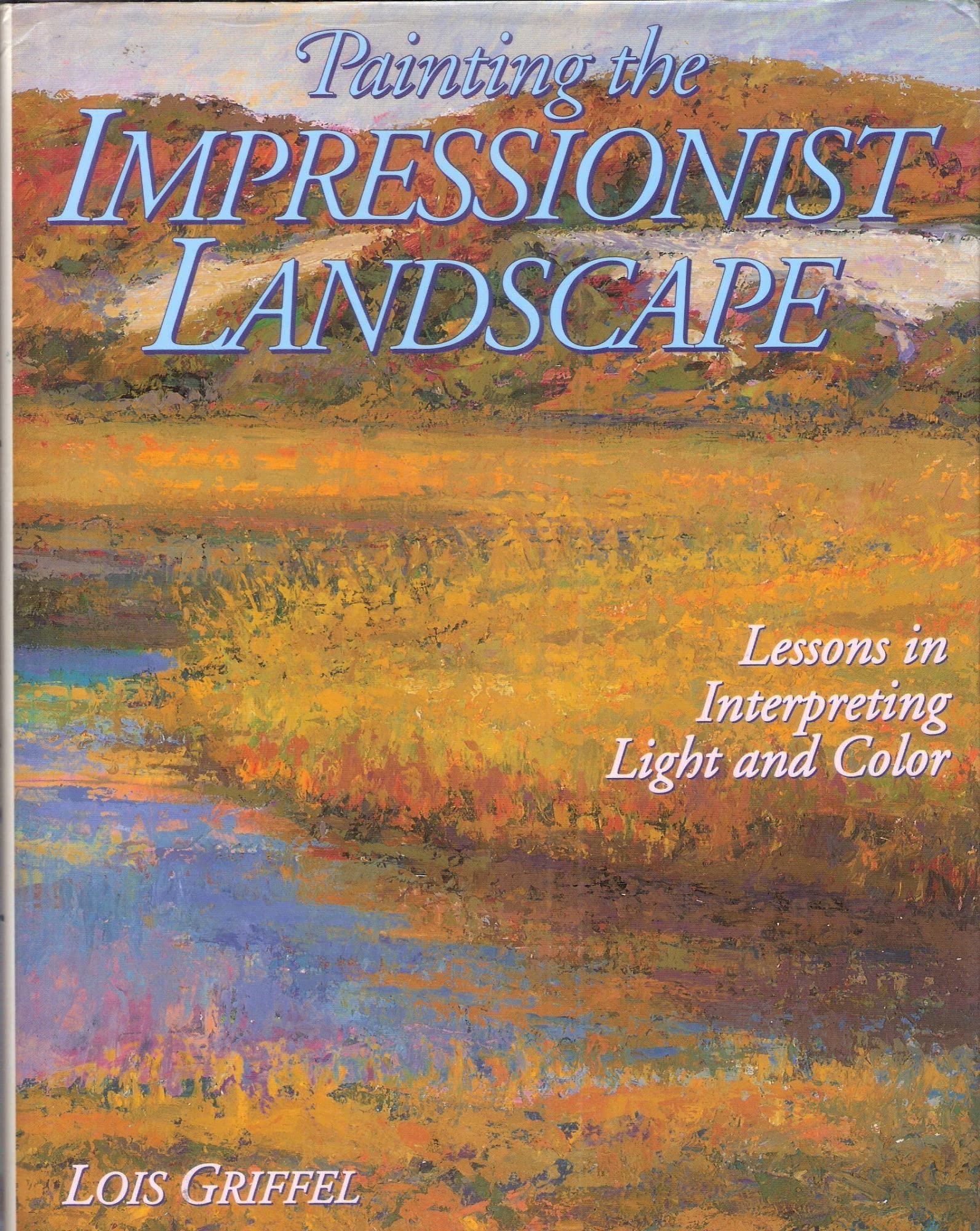
Painting the Impressionist Landscape: Lessons in Interpreting Light and Color,Used
Sold by Ergodebooks, an authorized reseller.
Returns accepted within 30 days | support@ergodebooks.com
Shipping Information
- Free Standard Shipping — United States only
- Processing Time: 3–5 business days
- Estimated Delivery: 6–10 business days after dispatch
- Double-boxed, fully insured & discreetly packaged
- Tracking number sent via email once dispatched
Returns & Refund
Returns accepted within 30 days of delivery.
Damaged or Defective Item
Free return shipping + replacement or full refund
Wrong Item Received
Free return shipping + replacement or full refund
Change of Mind
Return shipping at customer's expense · 25% restocking fee applies
Payment Option

Impressionismits techniques as well as its practitioners, past and presentcontinues to excite the passion of artists and art enthusiasts alike. From the pleinair landscapes first painted near the forests of Barbizon outside Paris, through the fields of Giverny that Monet immortalized, to the art of American expatriates such as John Singer Sargent and the Europeantrained American nativists like William Merritt Chase, the influence of impressionism on American art has had a long and distinguished history.Through artistic principles developed by Charles Hawthorne, an influential American impressionist and educator who studied with Chase and founded The Cape Cod School of Art, the rich legacy of the impressionist tradition was passed on to several generations of twentiethcentury American artists.In Painting the Impressionist Landscape, Lois Griffel, the current director of The Cape Cod School of Art and an accomplished artist in her own right, explores and illustrates Hawthornes philosophy and theories about color and light, enabling artists at every level of ability and experience to apply his insights to their own work.The first part of the book, Fundamentals of Color and Light, elaborates on the circumstances and individuals that contributed to the development of impressionism. The author then outlines the progression of the study of color and light that is covered in detail later in the book, from simple block studiesthe most effective way to learn to use pure color to express the effects and quality of lightthrough the more complex rounded forms in still lifes and portraits, to the most challenging forms intrinsic to landscape.Griffel then discusses the essentials of colorits terms, the impressionist palette, and color mixingas well as how established color theory expresses and influences the impressionist approach.The second part of the book, Impressionism in Practice, takes readers through a series of explorations that guides them toward a mastery of the impressionist landscape. Griffel begins by itemizing the materials that artists need to prepare for painting outdoors and describing how the light of the setting affects color within the context of a composition. The detailed chapters on the studiesfrom sunny day and cloudy day blocks, to still lifes and portraits, culminating in landscapesare all structured to lead readers through each step, enabling them first to evaluate, then eventually realize in their own painting, Hawthornes enlightening perceptions about capturing the radiance of nature's light in art.Beautifully illustrated with the art of the author, her colleagues at the artists colony in Provincetown, and selections by Monet, Sargent, and Hawthorne himself, Painting the Impressionist Landscape is a lively and informative guide to expressing light as color in art.
⚠️ WARNING (California Proposition 65):
This product may contain chemicals known to the State of California to cause cancer, birth defects, or other reproductive harm.
For more information, please visit www.P65Warnings.ca.gov.