
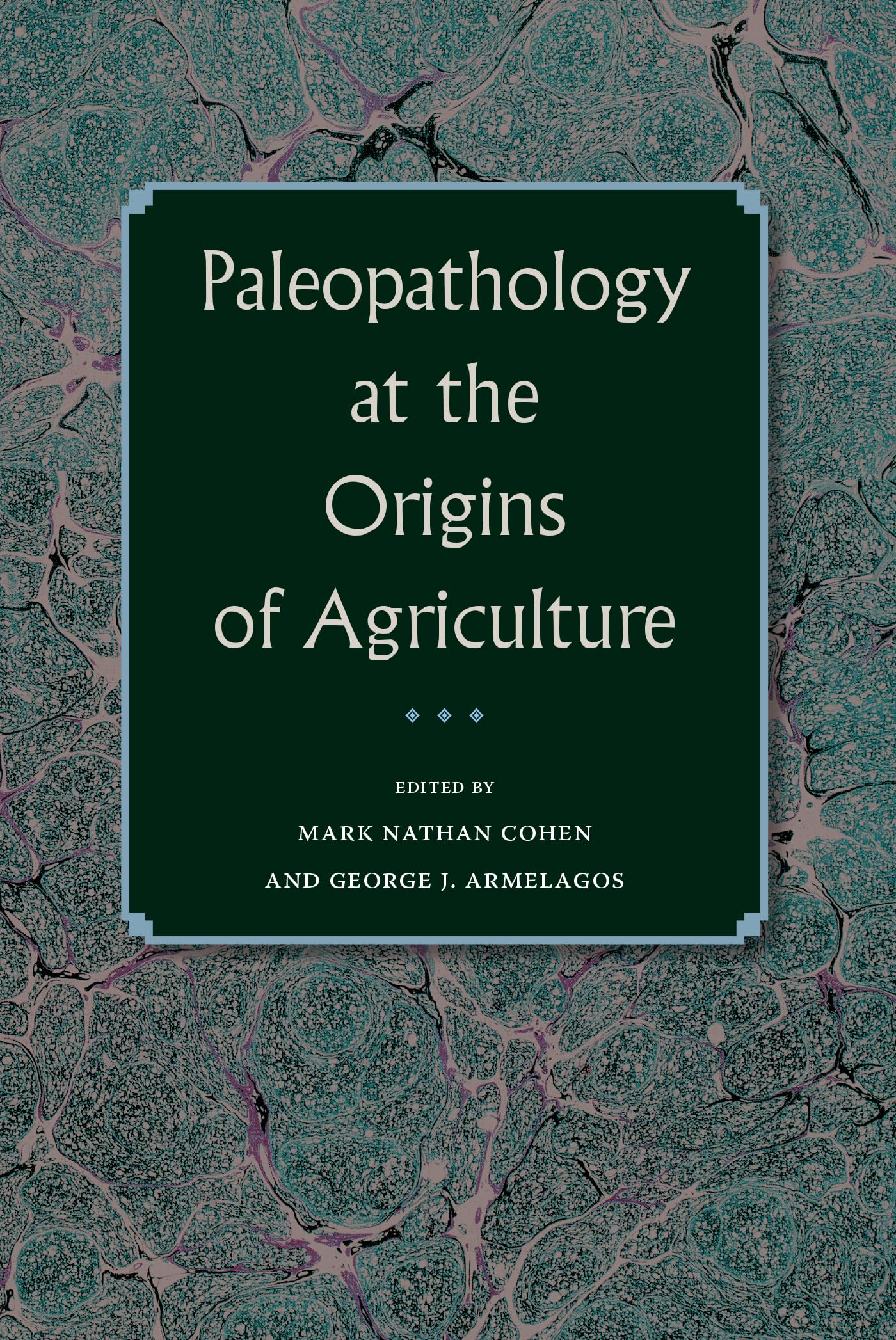
Title
Paleopathology At The Origins Of Agriculture (Bioarchaeological Interpretations Of The Human Past: Local, Regional, And Global),Used
Sold by Ergodebooks, an authorized reseller.
Returns accepted within 30 days | support@ergodebooks.com
Shipping Information
- Free Standard Shipping — United States only
- Processing Time: 3–5 business days
- Estimated Delivery: 6–10 business days after dispatch
- Double-boxed, fully insured & discreetly packaged
- Tracking number sent via email once dispatched
Returns & Refund
Returns accepted within 30 days of delivery.
Damaged or Defective Item
Free return shipping + replacement or full refund
Wrong Item Received
Free return shipping + replacement or full refund
Change of Mind
Return shipping at customer's expense · 25% restocking fee applies
Payment Option

Makes an important contribution to our understanding of the challenges our ancestors faced during the transition from hunting and gathering to agriculture. . . . A wellorganized and highly readable volume that synthesizes an enormous amount of data on what is perhaps the most significant economic transformation in the history of our species.American AnthropologistIn 1982, the Conference on Paleopathology and Socioeconomic Change at the Origins of Agriculture was held in Plattsburgh, New York, to examine previously untested theories about how the adoption of agriculture had impacted human health. The collection of those conference proceedings transformed into this landmark book that set the standard for how to collect, analyze, and interpret osteological data in the study of health transitions. Using skeletal pathologies, the contributors examine how the transition from foraging to farming affected human health and nutrition.Now back in print and for the first time in paperback, Paleopathology at the Origins of Agriculture is a foundational piece in bioarchaeological literature and a central source of information regarding the impact of early farming on socioeconomic evolution. It remains a highly cited reference for archaeologists and physical anthropologists.Contributors present data from nineteen different regions before, during, and after agricultural transitions, analyzing populations in Africa, Asia, the Middle East, Europe, and South America while primarily focusing on North America. A wide range of health indicators are discussed, including mortality, episodic stress, physical trauma, degenerative bone conditions, isotopes, and dental pathology.Mark Nathan Cohen is Distinguished Professor of anthropology at SUNY at Plattsburgh. He was awarded a Guggenheim Fellowship on the basis of this books impact. George J. Armelagos is the Goodrich C. White professor of anthropology at Emory University and a recipient of the Viking Fund Medal.
⚠️ WARNING (California Proposition 65):
This product may contain chemicals known to the State of California to cause cancer, birth defects, or other reproductive harm.
For more information, please visit www.P65Warnings.ca.gov.
- Q: What is the page count of this book? A: This book has six hundred forty pages. It provides extensive insights into the impact of agriculture on human health.
- Q: What is the binding type of this book? A: The book is available in paperback binding. This makes it lightweight and easy to handle for reading.
- Q: Who is the author of this book? A: The author of this book is Mark Nathan Cohen. He is a Distinguished Professor of anthropology at SUNY.
- Q: How do I read this book? A: You can read this book like any standard paperback. It is organized into chapters that cover various aspects of paleopathology.
- Q: Is this book suitable for beginners in anthropology? A: Yes, this book is suitable for beginners. It synthesizes complex data into a well-organized and readable format.
- Q: What is the target audience for this book? A: The target audience includes students, researchers, and professionals in anthropology and archaeology. It is also valuable for general readers interested in human history.
- Q: How should I store this book? A: Store this book in a dry environment, away from direct sunlight. This will help preserve its binding and pages.
- Q: Is there a warranty for this book? A: No, there is no warranty for this book. However, you can check the return policy if it arrives damaged.
- Q: What if the book arrives damaged? A: If the book arrives damaged, you should contact the seller for return or exchange options. Most sellers have customer service for such issues.
- Q: Can I find similar books in this genre? A: Yes, you can find similar books in the fields of anthropology and archaeology. Look for titles focusing on human health and agricultural transitions.
- Q: Is this book intended for professional researchers? A: Yes, this book is intended for professional researchers. It compiles significant findings relevant to paleopathology and socioeconomic changes.
- Q: What regions does the book cover? A: The book covers nineteen different regions, including Africa, Asia, the Middle East, Europe, and South America, primarily focusing on North America.
- Q: Are there any notable contributors to this book? A: Yes, notable contributors include George J. Armelagos, a recipient of the Viking Fund Medal. Their expertise adds depth to the content.
- Q: What is the main theme of this book? A: The main theme is the transition from foraging to farming and its impact on human health and nutrition. It provides a bioarchaeological perspective.
- Q: Are there any health indicators discussed in the book? A: Yes, the book discusses a wide range of health indicators, including mortality, physical trauma, and dental pathology. These indicators illuminate the effects of early agriculture.