If you have any questions, you are always welcome to contact us. We'll get back to you as soon as possible, withing 24 hours on weekdays.
Customer service
All questions about your order, return and delivery must be sent to our customer service team by e-mail at yourstore@yourdomain.com
Sale & Press
If you are interested in selling our products, need more information about our brand or wish to make a collaboration, please contact us at press@yourdomain.com
Help
If you have any questions, you are always welcome to contact us. We'll get back to you as soon as possible, withing 24 hours on weekdays.
Customer service
All questions about your order, return and delivery must be sent to our customer service team by e-mail at yourstore@yourdomain.com
Sale & Press
If you are interested in selling our products, need more information about our brand or wish to make a collaboration, please contact us at press@yourdomain.com
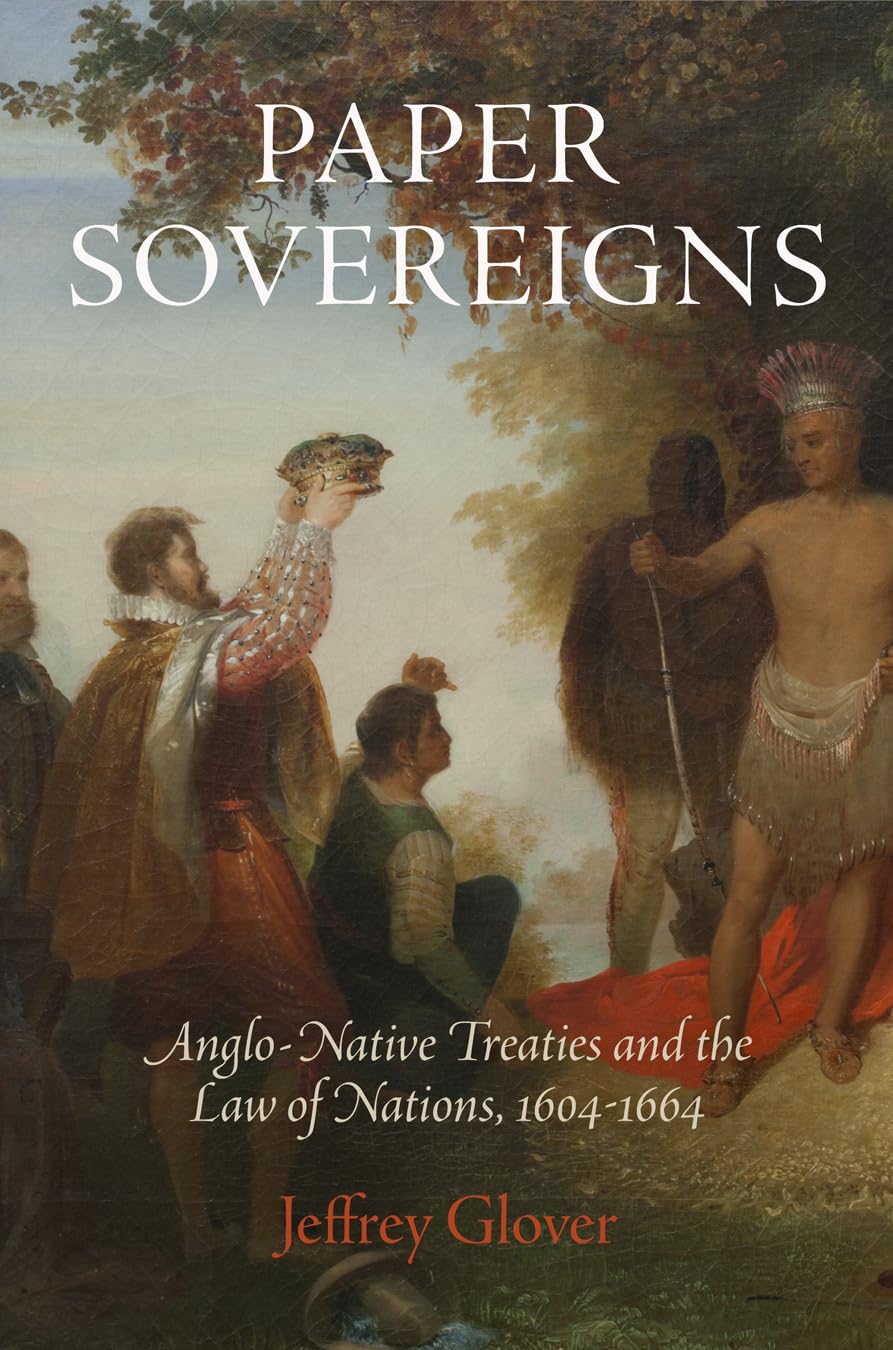
In many accounts of Native American history, treaties are synonymous with tragedy. From the beginnings of settlement, Europeans made and broke treaties, often exploiting Native American lack of alphabetic literacy to manipulate political negotiation. But while colonial dealings had devastating results for Native people, treaty making and breaking involved struggles more complex than any simple contest between invaders and victims. The early colonists were often compelled to negotiate on Indian terms, and treaties took a bewildering array of shapes ranging from rituals to gestures to pictographs. At the same time, Jeffrey Glover demonstrates, treaties were international events, scrutinized by faraway European audiences and framed against a background of English, Spanish, French, and Dutch imperial rivalries.To establish the meaning of their agreements, colonists and Natives adapted and invented many new kinds of political representation, combining rituals from tribal, national, and religious traditions. Drawing on an archive that includes written documents, printed books, orations, landscape markings, wampum beads, tally sticks, and other technologies of political accounting, Glover examines the powerful influence of treaty making along the vibrant and multicultural Atlantic coast of the seventeenth century.
⚠️ WARNING (California Proposition 65):
This product may contain chemicals known to the State of California to cause cancer,
birth defects, or other reproductive harm.
For MAP (Minimum Advertised Price) violations and Intellectual Property (IP) or Trademark concerns, please contact:
support@ergodebooks.com
⚠️ California Proposition 65 Warning: Some products sold on this website may expose you to chemicals known to the State of California to cause cancer, birth defects, or other reproductive harm. For more information, visit www.P65Warnings.ca.gov.