
Title
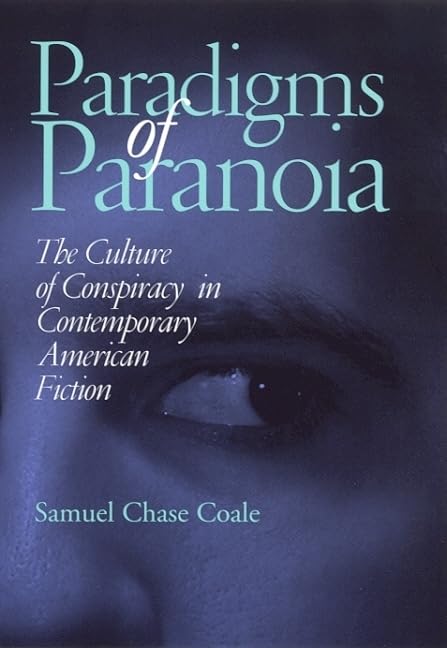
Paradigms of Paranoia: The Culture of Conspiracy in Contemporary American Fiction,Used
Sold by Ergodebooks, an authorized reseller.
Returns accepted within 30 days | support@ergodebooks.com
Shipping Information
- Free Standard Shipping — United States only
- Processing Time: 3–5 business days
- Estimated Delivery: 6–10 business days after dispatch
- Double-boxed, fully insured & discreetly packaged
- Tracking number sent via email once dispatched
Returns & Refund
Returns accepted within 30 days of delivery.
Damaged or Defective Item
Free return shipping + replacement or full refund
Wrong Item Received
Free return shipping + replacement or full refund
Change of Mind
Return shipping at customer's expense · 25% restocking fee applies
Payment Option

The recent popularity of The DaVinci Code and The Matrix trilogy exemplifies the fascination Americans have with conspiracydriven subjects. Though scholars have suggested that in modern times the JFK assassination initiated an industry of conspiracy (i.e., Vietnam and the Pentagon Papers, Area 51, IranContra Affair), Samuel Chase Coale reminds us in this book that conspiracy is foundational in American culturefrom the apocalyptic Biblical narratives in early Calvinist households to the fear of Mormon, Catholic, Jewish, and immigrant populations in the 19th century.Coale argues that contemporary culturea landscape characterized by doubt, ambiguity, fragmentation, information overload, and mistrusthas fostered a radical skepticism so pervasive that the tendency to envision or construct conspiracies often provides the best explanation for the chaos that surrounds us.Conspiracy as embodied in narrative form provides a fertile field for explorations of the anxiety lying at the heart of the postmodern experience. Thomas Pynchon's The Crying of Lot 49, Don DeLillo's Underworld, Toni Morrison's Jazz and Paradise, Joan Didion's Democracy, Tim O'Brien's In the Lake of the Woods, and Paul Auster's New York City Trilogy are some of the texts Coale examines for their representations of isolated individuals at the center of massive, anonymous master plots that lay beyond their control. These narratives remind us that our historical sense of national identity has often been based on the demonizing of others and that American fiction arose and still flourishes with apocalyptic visions.
⚠️ WARNING (California Proposition 65):
This product may contain chemicals known to the State of California to cause cancer, birth defects, or other reproductive harm.
For more information, please visit www.P65Warnings.ca.gov.