
Title
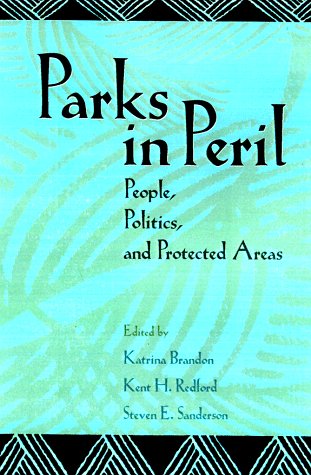
Parks in Peril: People, Politics, and Protected Areas,Used
Sold by Ergodebooks, an authorized reseller.
Returns accepted within 30 days | support@ergodebooks.com
Shipping Information
- Free Standard Shipping — United States only
- Processing Time: 3–5 business days
- Estimated Delivery: 6–10 business days after dispatch
- Double-boxed, fully insured & discreetly packaged
- Tracking number sent via email once dispatched
Returns & Refund
Returns accepted within 30 days of delivery.
Damaged or Defective Item
Free return shipping + replacement or full refund
Wrong Item Received
Free return shipping + replacement or full refund
Change of Mind
Return shipping at customer's expense · 25% restocking fee applies
Payment Option

Using the experience of the Parks in Peril program a wideranging project instituted by The Nature Conservancy and its partner organizations in Latin America and the Caribbean to foster better park management this book presents a broad analysis of current trends in park management and the implications for biodiversity conservation. It examines the context of current park management and challenges many commonly held views from social, political, and ecological perspectives. The book argues that: biodiversity conservation is inherently political sustainable use has limitations as a primary tool for biodiversity conservation effective park protection requires understanding the social context at varying scales of analysis actions to protect parks need a level of conceptual rigor that has been absent from recent programs built around slogans and stereotypesNine case studies highlight the interaction of ecosystems, local peoples, and policy in park management, and describe the context of fieldbased conservation from the perspective of those actually implementing the programs. Parks in Peril builds from the case studies and specific parklevel concerns to a synthesis of findings from the sites. The editors draw on the case studies to challenge popular conceptions about parks and describe future directions that can ensure longterm biodiversity conservation.Throughout, contributors argue that protected areas are extremely important for the protection of biodiversity, yet such areas cannot be expected to serve as the sole means of biodiversity conservation. Requiring them to carry the entire burden of conservation is a recipe for ecological and social disaster.
⚠️ WARNING (California Proposition 65):
This product may contain chemicals known to the State of California to cause cancer, birth defects, or other reproductive harm.
For more information, please visit www.P65Warnings.ca.gov.