
Title
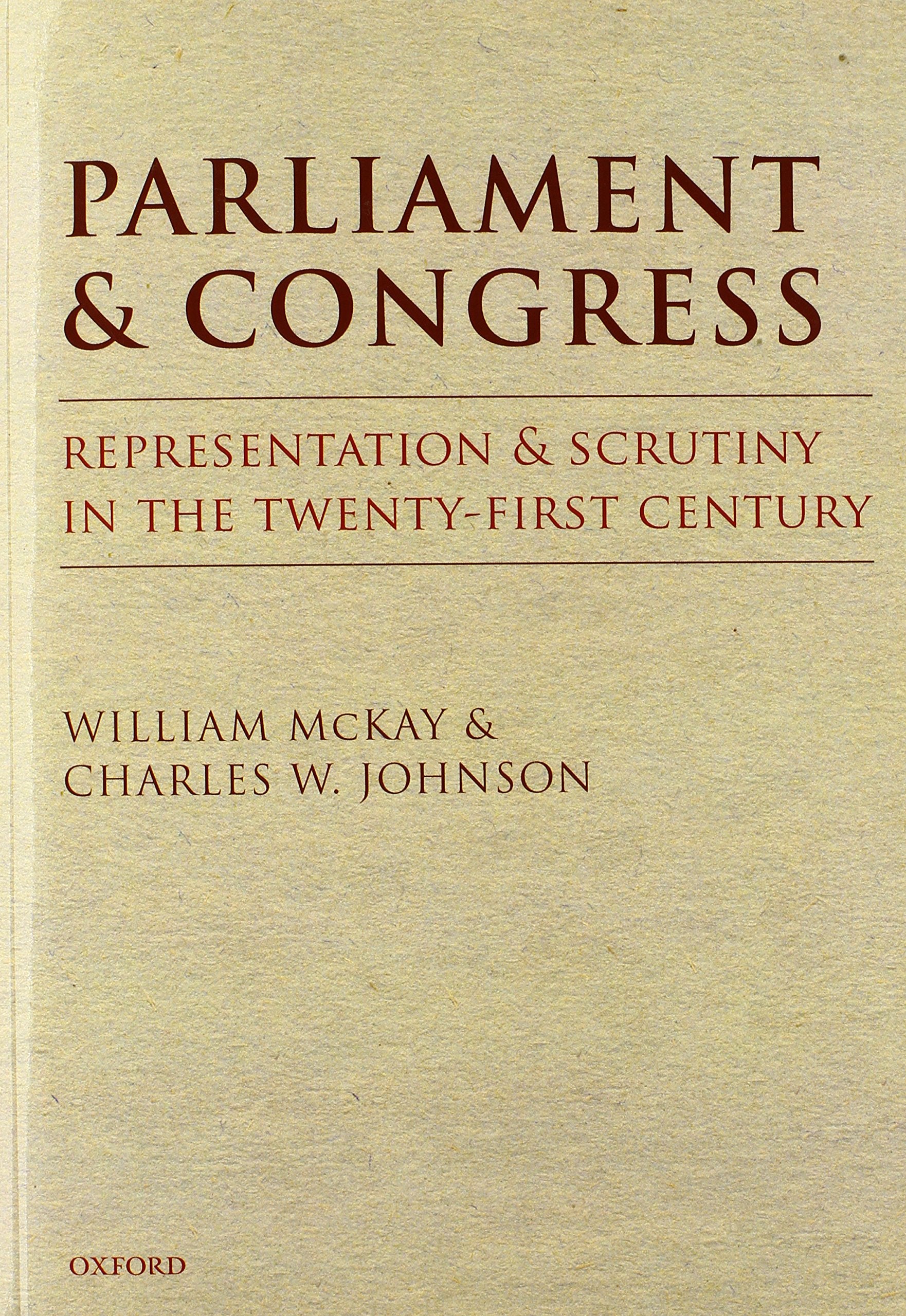
Parliament and Congress: Representation and Scrutiny in the TwentyFirst Century,New
Sold by Ergodebooks, an authorized reseller.
Returns accepted within 30 days | support@ergodebooks.com
Shipping Information
- Free Standard Shipping — United States only
- Processing Time: 3–5 business days
- Estimated Delivery: 6–10 business days after dispatch
- Double-boxed, fully insured & discreetly packaged
- Tracking number sent via email once dispatched
Returns & Refund
Returns accepted within 30 days of delivery.
Damaged or Defective Item
Free return shipping + replacement or full refund
Wrong Item Received
Free return shipping + replacement or full refund
Change of Mind
Return shipping at customer's expense · 25% restocking fee applies
Payment Option

The constitutional background of both legislatures and their procedures are described and where possible compared. Currently unsolved problems often have much in common, in vexed areas such as ethics requirements or how procedural rules permit minorities fair access to legislative time before majorities prevail. British successes include the enhanced authority and effectiveness of select committees and the acquisition of more debating time by the creation of a parallel Chamber. Unsolved problems at Westminster begin with the powers and status of the Lords, and go on through the search for more effective review of EU activities, adapting parliamentary scrutiny to more sophisticated government financial information, and making better use of legislative time without diminishing backbench rights.The accelerated pace and extent of procedural changes in Congress is problematic. Constant pursuit of campaign funds, increased party exploitation of Members' ethical shortcomings, and partisan reapportionments, have diminished collegiality and compromise. Business is conducted with greater predictability, with fewer quorum calls, postponement and clustering of votes, and by utilization of ad hoc special orders, often in derogation of openness and minority rights in the House. Minority complaints have been frequent and occasionally extreme. Conversely constant filibuster threats in the Senate have enhanced minority party power there. An 'inverse ratio' between the greater complexity, importance, and urgency of pending legislation on the one hand, and diminution of deliberative capacity, fairness. and transparency on the other, has been repeatedly demonstrated, especially at the stage of final compromises between the Houses.
⚠️ WARNING (California Proposition 65):
This product may contain chemicals known to the State of California to cause cancer, birth defects, or other reproductive harm.
For more information, please visit www.P65Warnings.ca.gov.