
Title
Participating in Development (ASA Monographs),Used
Sold by Ergodebooks, an authorized reseller.
Returns accepted within 30 days | support@ergodebooks.com
Shipping Information
- Free Standard Shipping — United States only
- Processing Time: 3–5 business days
- Estimated Delivery: 6–10 business days after dispatch
- Double-boxed, fully insured & discreetly packaged
- Tracking number sent via email once dispatched
Returns & Refund
Returns accepted within 30 days of delivery.
Damaged or Defective Item
Free return shipping + replacement or full refund
Wrong Item Received
Free return shipping + replacement or full refund
Change of Mind
Return shipping at customer's expense · 25% restocking fee applies
Payment Option

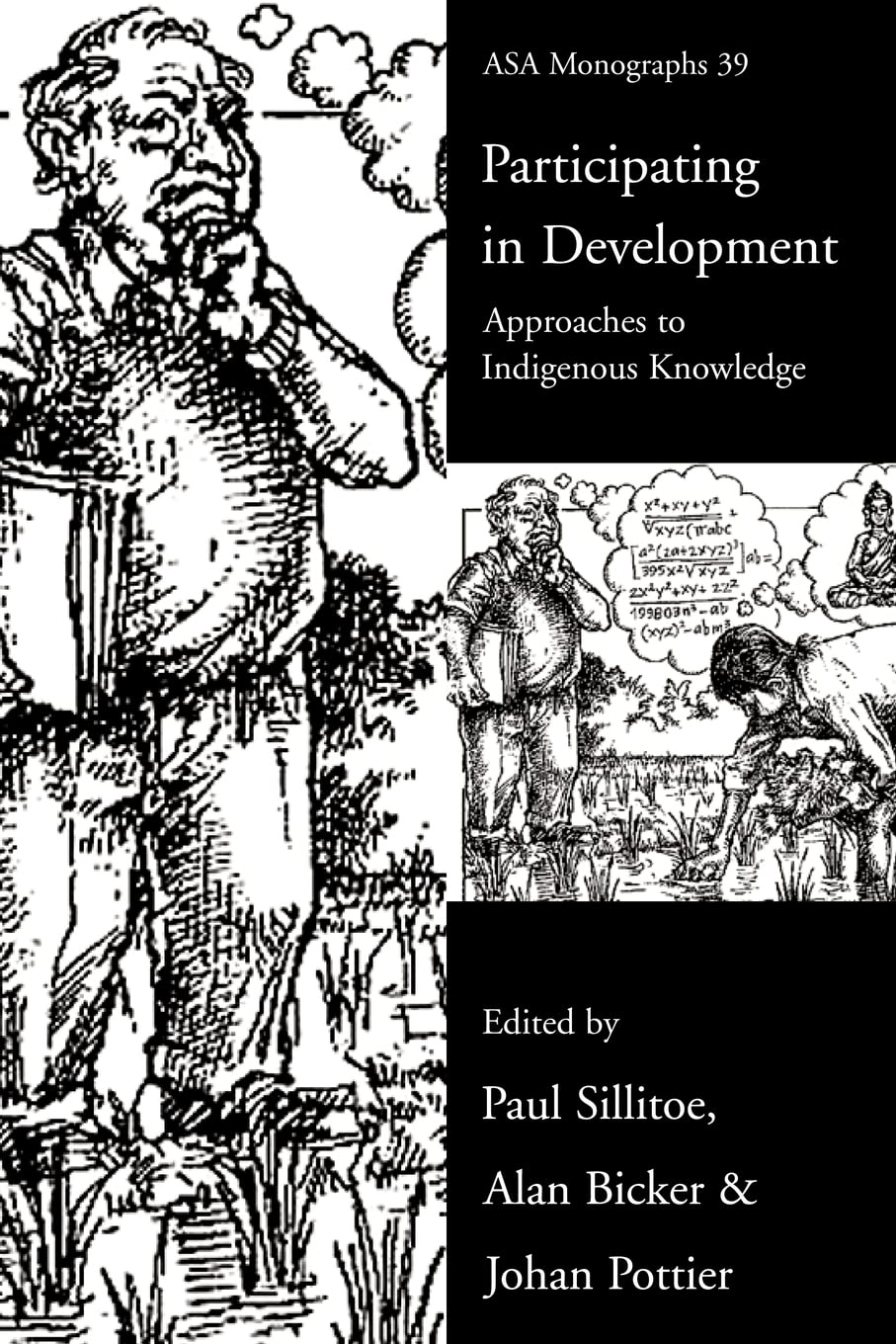
Development has too often failed to deliver on its promises to poor nations. The policies imposed from above by international agencies and state bodies have frequently not met the needs and aspirations of ordinary people. Development agencies have been searching for sometime for alternative approaches. One of those being pioneered is 'indigenous knowledge', which aims to make local voices heard more effectively. However while it is increasingly acknowledged in development contexts, it is yet to be validated and accepted by anthropologists. It is selfevident to any anthropologist that effective development assistance will benefit from some understanding of local knowledge and practices. This therefore puts anthropology and anthropologists at the centre of development. This volume focuses on two major issues that anthropology might profitably address. First of all how to define indigenous knowledge and who should define it as it currently lacks disciplinary coherence. Secondly once this definition is achieved what methodologies should be used in such an interdisciplinary research endeavour when it must meet the demands of development (cost and timeeffective, intelligible to nonexperts) while not compromising anthropological expectations. The new opportunities and their methodological implications are addressed in the chapters of this book in a range of ethnographic and institutional contexts and demonstrate how widereaching and how crucially important this debate has become. Participating in Development is a thought provoking and challenge collection. Its authors both define and validate the role of the anthropologist in development as well of development in anthropology.
⚠️ WARNING (California Proposition 65):
This product may contain chemicals known to the State of California to cause cancer, birth defects, or other reproductive harm.
For more information, please visit www.P65Warnings.ca.gov.