If you have any questions, you are always welcome to contact us. We'll get back to you as soon as possible, withing 24 hours on weekdays.
Customer service
All questions about your order, return and delivery must be sent to our customer service team by e-mail at yourstore@yourdomain.com
Sale & Press
If you are interested in selling our products, need more information about our brand or wish to make a collaboration, please contact us at press@yourdomain.com
Help
If you have any questions, you are always welcome to contact us. We'll get back to you as soon as possible, withing 24 hours on weekdays.
Customer service
All questions about your order, return and delivery must be sent to our customer service team by e-mail at yourstore@yourdomain.com
Sale & Press
If you are interested in selling our products, need more information about our brand or wish to make a collaboration, please contact us at press@yourdomain.com
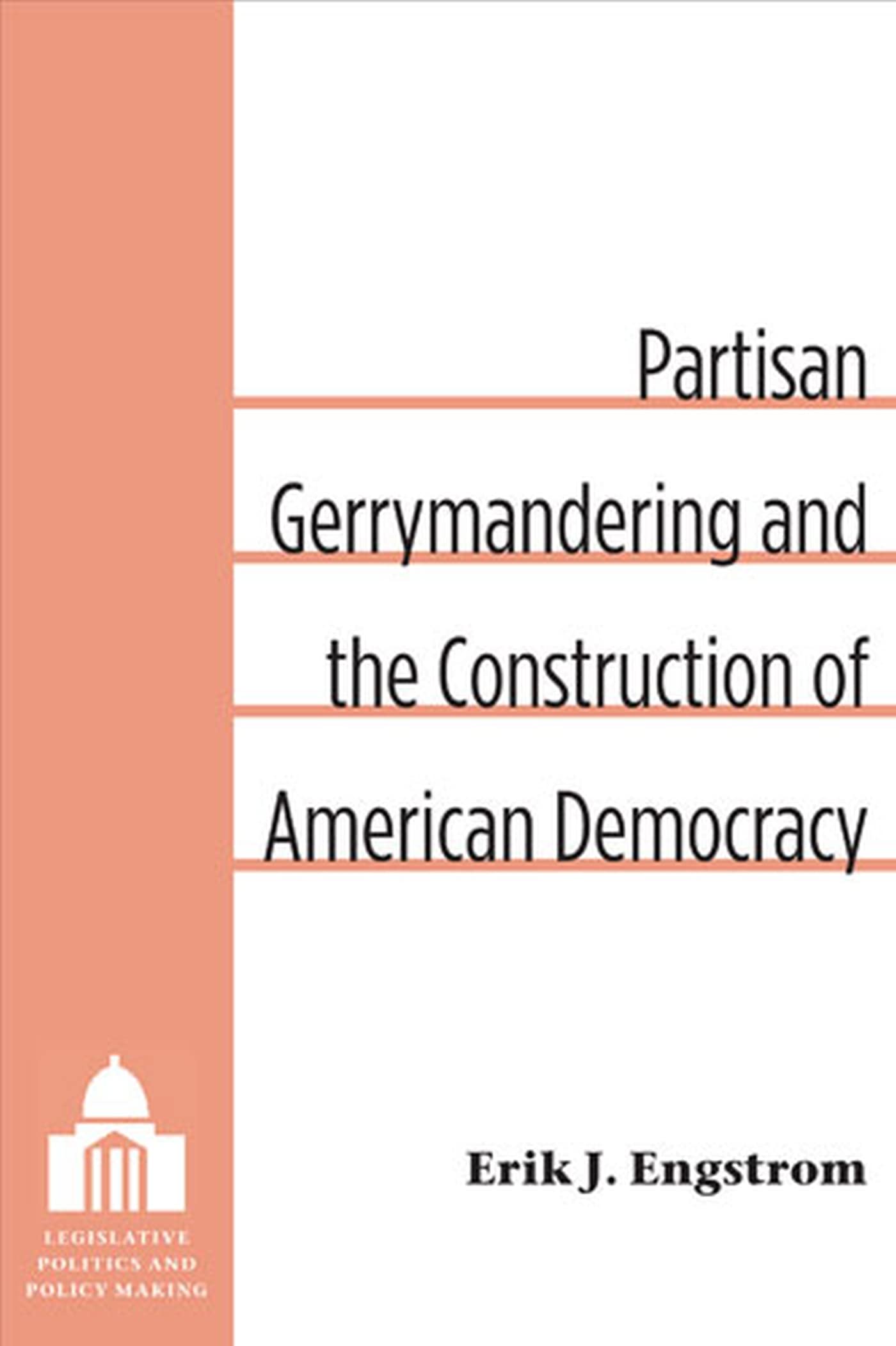
Erik J. Engstrom offers a historical perspective on the effects of gerrymandering on elections and party control of the U.S. national legislature. Aside from the requirements that districts be continuous and, after 1842, that each select only one representative, there were few restrictions on congressional districting. Unrestrained, state legislators drew and redrew districts to suit their own partisan agendas. With the rise of the oneperson, onevote doctrine and the implementation of the Voting Rights Act of 1965, however, redistricting became subject to court oversight.Engstrom evaluates the abundant crosssectional and temporal variation in redistricting plans and their electoral results from all the states, from 1789 through the 1960s, to identify the causes and consequences of partisan redistricting. His analysis reveals that districting practices across states and over time systematically affected the competitiveness of congressional elections, shaped the partisan composition of congressional delegations, and, on occasion, determined party control of the House of Representatives.
⚠️ WARNING (California Proposition 65):
This product may contain chemicals known to the State of California to cause cancer,
birth defects, or other reproductive harm.
For MAP (Minimum Advertised Price) violations and Intellectual Property (IP) or Trademark concerns, please contact:
support@ergodebooks.com
⚠️ California Proposition 65 Warning: Some products sold on this website may expose you to chemicals known to the State of California to cause cancer, birth defects, or other reproductive harm. For more information, visit www.P65Warnings.ca.gov.