
Title


Pastoral Cities: Urban Ideals (History of American Thought and Culture),Used
Sold by Ergodebooks, an authorized reseller.
Returns accepted within 30 days | support@ergodebooks.com
Shipping Information
- Free Standard Shipping — United States only
- Processing Time: 3–5 business days
- Estimated Delivery: 6–10 business days after dispatch
- Double-boxed, fully insured & discreetly packaged
- Tracking number sent via email once dispatched
Returns & Refund
Returns accepted within 30 days of delivery.
Damaged or Defective Item
Free return shipping + replacement or full refund
Wrong Item Received
Free return shipping + replacement or full refund
Change of Mind
Return shipping at customer's expense · 25% restocking fee applies
Payment Option

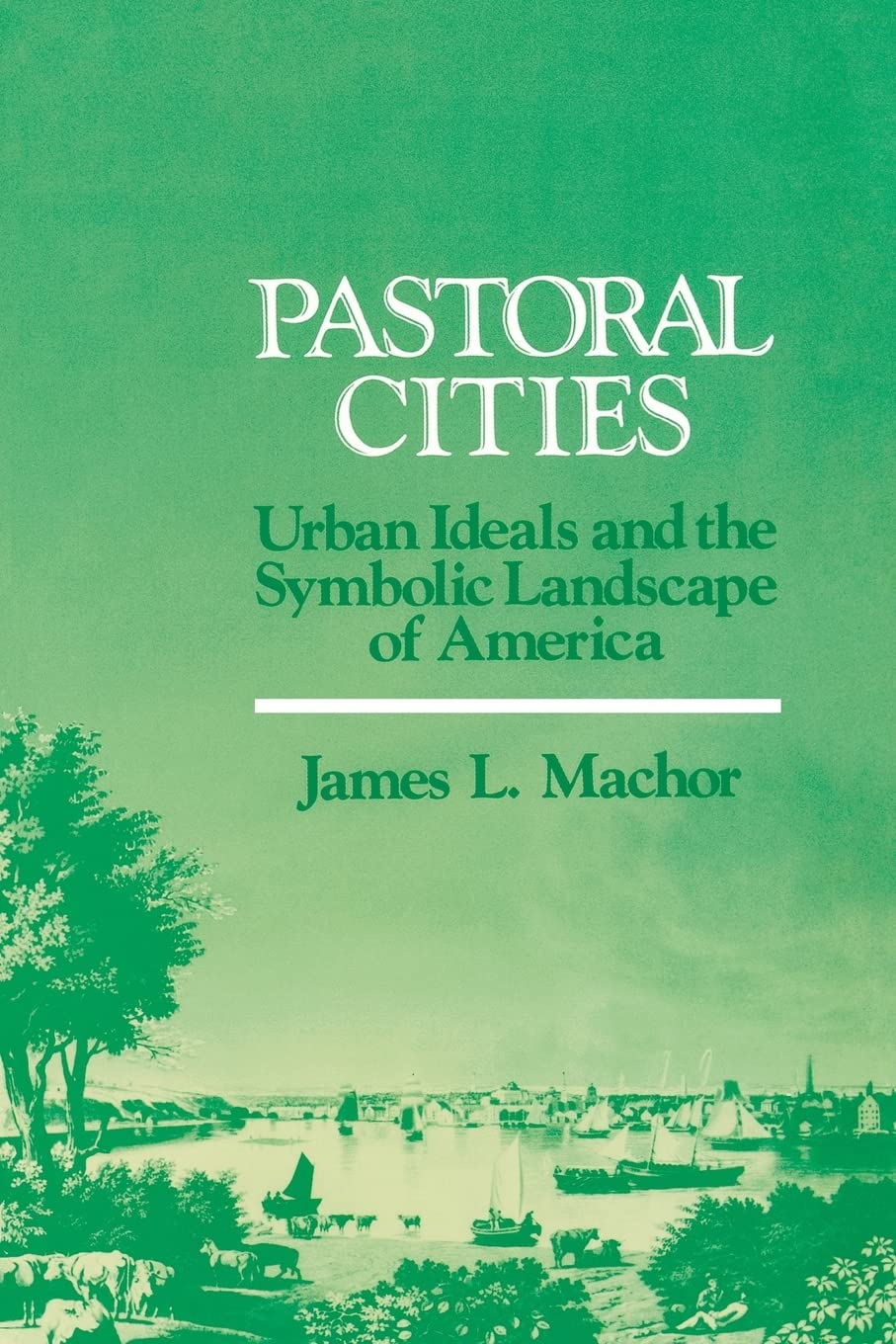
What has the city meant to Americans? James L. Machor explores this question in a provocative analysis of American responses to urbanization in the context of the cultures tendency to valorize nature and the rural world.Although much attention has been paid to American ruralurban relations, Machor focuses on a dimension largely overlooked by those seeking to explain American conceptions of the city. While urban historians and literary critics have explicitly or implicitly emphasized the opposition between urban and rural sensibilities in America, an equally important feature of American thought and writing has been the widespread interest in collapsing that division. Convinced that the native landscape has offered special opportunities, Americans since the age of settlement have sought to build a harmonious urbanpastoral society combining the best of both worlds. Moreover, this goal has gone largely unchallenged in the culture except for the sophisticated responses in the writings of some of Americas most eminent literary artists.Pastoral Cities explains the development of urban pastoralism from its origins in the prophetic vision of the New Jerusalem, applied to America in the sixteenth and seventeenth centuries, through its secularization in the urban planning and reform of the 1800s. Machor critiques the sophisticated treatment of urban pastoralism by writers such as Emerson, Whitman, Hawthorne, Wharton, and James by skillfully by combining cultural analysis with a close reading of urban plans, travel narratives, sermons, and popular novels. The product of this multifaceted approach is an analysis that works to reveal both the strengths and weaknesses of the pastoral ideal as cultural mythology.
⚠️ WARNING (California Proposition 65):
This product may contain chemicals known to the State of California to cause cancer, birth defects, or other reproductive harm.
For more information, please visit www.P65Warnings.ca.gov.