
Title
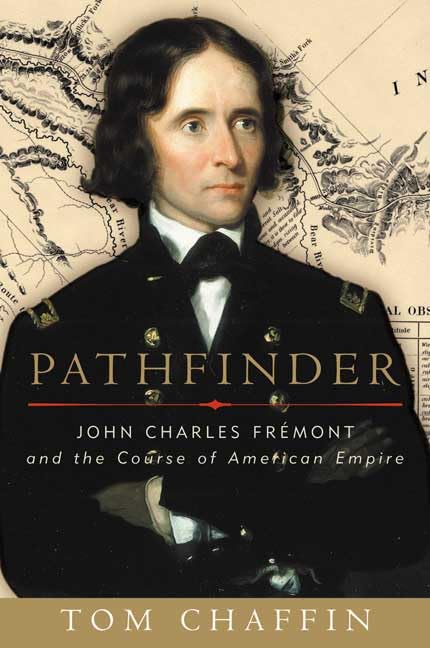
Pathfinder: John Charles Frmont and the Course of American Empire,Used
Sold by Ergodebooks, an authorized reseller.
Returns accepted within 30 days | support@ergodebooks.com
Shipping Information
- Free Standard Shipping — United States only
- Processing Time: 3–5 business days
- Estimated Delivery: 6–10 business days after dispatch
- Double-boxed, fully insured & discreetly packaged
- Tracking number sent via email once dispatched
Returns & Refund
Returns accepted within 30 days of delivery.
Damaged or Defective Item
Free return shipping + replacement or full refund
Wrong Item Received
Free return shipping + replacement or full refund
Change of Mind
Return shipping at customer's expense · 25% restocking fee applies
Payment Option

The amazing life of the explorer who first mapped the West and forever changed nineteenthcentury AmericaThe career of John Charles Frmont (181390) celebrates and ties together the full breadth of American expansionism from its eighteenthcentury origins through its culmination in the Gilded Age. Tom Chaffin's important new biography demonstrates Frmont's vital importance to the history of American empire, and his role in shattering longheld myths about the ecology and habitability of the American West.As the most celebrated American explorer and mapper of his time, Frmont stood at the center of the vast federal project of Western exploration and conquest. His expeditions between 1838 and 1854 captured the public's imagination, inspired Americans to accept their nation's destiny as a vast continental empire, and earned him his enduring sobriquet, the Pathfinder.But Frmont was more than an explorer. Chaffin's dramatic narrative includes Frmont's varied experiences as an entrepreneur, abolitionist, Civil War general, husband to the remarkable Jessie Benton Frmont, twotime Republican presidential candidate, and Gilded Age aristocrat.Chaffin brings to life the personal and political experiences of a remarkable American whose saga offers compelling insight into the conflicts, tensions, and contradictions at the core of America's lust for empire and its conquest of the transMissouri West.
⚠️ WARNING (California Proposition 65):
This product may contain chemicals known to the State of California to cause cancer, birth defects, or other reproductive harm.
For more information, please visit www.P65Warnings.ca.gov.
- Q: What is the main focus of the book 'Pathfinder: John Charles Frémont and the Course of American Empire'? A: The book centers on the life of John Charles Frémont, an explorer who significantly influenced American expansionism and mapped the West during the nineteenth century.
- Q: Who is the author of this biography? A: The biography is written by Tom Chaffin, who provides insights into Frémont's life and contributions.
- Q: What historical themes does the book explore? A: The book explores themes of American expansionism, environmental myths about the West, and the complexities of Frémont's roles as an explorer, general, and politician.
- Q: How many pages does this book have? A: The book contains 592 pages.
- Q: What is the condition of the book being sold? A: The book is listed as 'Used Book in Good Condition'.
- Q: When was this book published? A: The book was published on May 12, 2004.
- Q: Is this book available in different editions or formats? A: The listing specifies that this is a paperback edition, but no other editions are mentioned.
- Q: What makes John Charles Frémont a significant historical figure? A: Frémont is significant for his explorations that helped shape American views on westward expansion and his involvement in various political and military roles during his lifetime.
- Q: Can this book be used as a reference for American history studies? A: Yes, this biography provides detailed insights into American history, particularly regarding westward expansion and its implications.
- Q: What type of readers would benefit from this book? A: Readers interested in American history, biographies of influential figures, and the complexities of expansionism will find this book beneficial.