
Title
Pathways to Indigenous Nation Sovereignty: A Chronicle of Federal Policy Developments (Makwa Enewed),Used
Sold by Ergodebooks, an authorized reseller.
Returns accepted within 30 days | support@ergodebooks.com
Shipping Information
- Free Standard Shipping — United States only
- Processing Time: 3–5 business days
- Estimated Delivery: 6–10 business days after dispatch
- Double-boxed, fully insured & discreetly packaged
- Tracking number sent via email once dispatched
Returns & Refund
Returns accepted within 30 days of delivery.
Damaged or Defective Item
Free return shipping + replacement or full refund
Wrong Item Received
Free return shipping + replacement or full refund
Change of Mind
Return shipping at customer's expense · 25% restocking fee applies
Payment Option

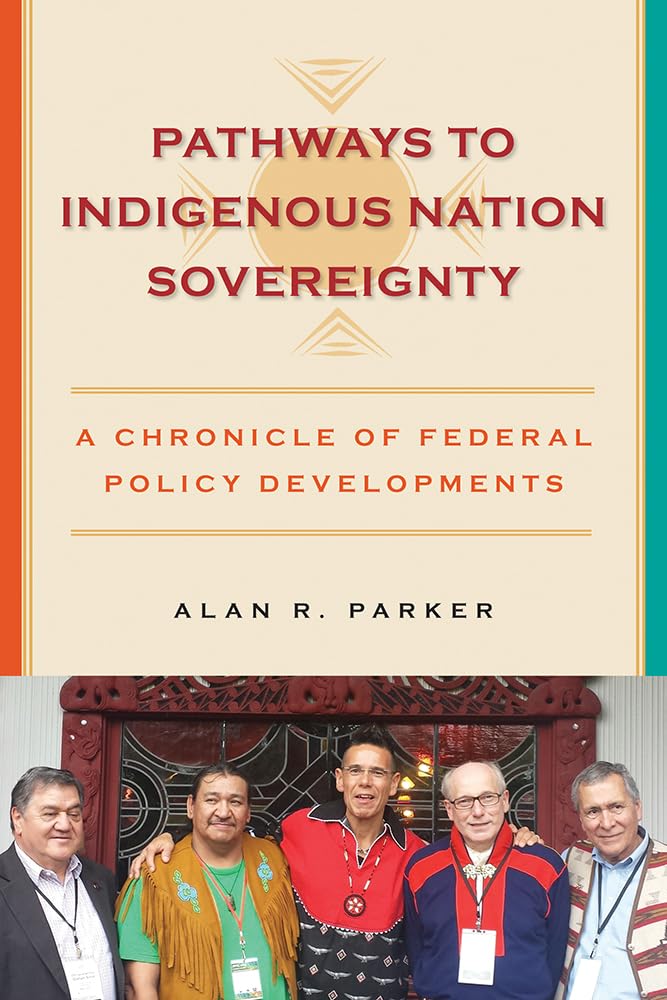
In a story that could only be told by someone who was an insider, this book reveals the background behind major legislative achievements of U.S. Tribal Nations leaders in the 1970s and beyond. American Indian attorney and proud Chippewa Cree Nation citizen Alan R. Parker gives insight into the design and development of the public policy initiatives that led to major changes in the U.S. governments relationships with Tribal Nations. Here he relates the history of the federal governments attempts, beginning in 1953 and lasting through 1965, to terminate its obligations to tribes that had been written into over 370 Indian treaties in the nineteenth century. When Indian leaders gathered in Chicago in 1961, they developed a common strategy in response to termination that led to a new era of Indian SelfDetermination, not Termination, as promised by President Nixon in his 1970 message to Congress. Congressional leaders took up Nixons challenge and created a new Committee on Indian Affairs. Parker was hired as Chief Counsel to the committee, where he began his work by designing legislation to stop the theft of Indian children from their communities and writing laws to settle longstanding Indian water and land claims based on principles of informed consent to negotiated agreements. A decade later, Parker was called back to the senate to work as staff director to the Committee on Indian Affairs, taking up legislation designed by tribal leaders to wrest control from the Bureau of Indian Affairs over governance on the nations 250 Indian reservations and negotiating agreements between the tribes that led to the Indian Gaming Regulatory Act. A valuable educational tool, this text weaves together the ideas and goals of many different American Indian leaders from different tribes and professional backgrounds, and shows how those ideas worked to become the law of the land and transform Indian Country.
⚠️ WARNING (California Proposition 65):
This product may contain chemicals known to the State of California to cause cancer, birth defects, or other reproductive harm.
For more information, please visit www.P65Warnings.ca.gov.