If you have any questions, you are always welcome to contact us. We'll get back to you as soon as possible, withing 24 hours on weekdays.
Customer service
All questions about your order, return and delivery must be sent to our customer service team by e-mail at yourstore@yourdomain.com
Sale & Press
If you are interested in selling our products, need more information about our brand or wish to make a collaboration, please contact us at press@yourdomain.com
Help
If you have any questions, you are always welcome to contact us. We'll get back to you as soon as possible, withing 24 hours on weekdays.
Customer service
All questions about your order, return and delivery must be sent to our customer service team by e-mail at yourstore@yourdomain.com
Sale & Press
If you are interested in selling our products, need more information about our brand or wish to make a collaboration, please contact us at press@yourdomain.com
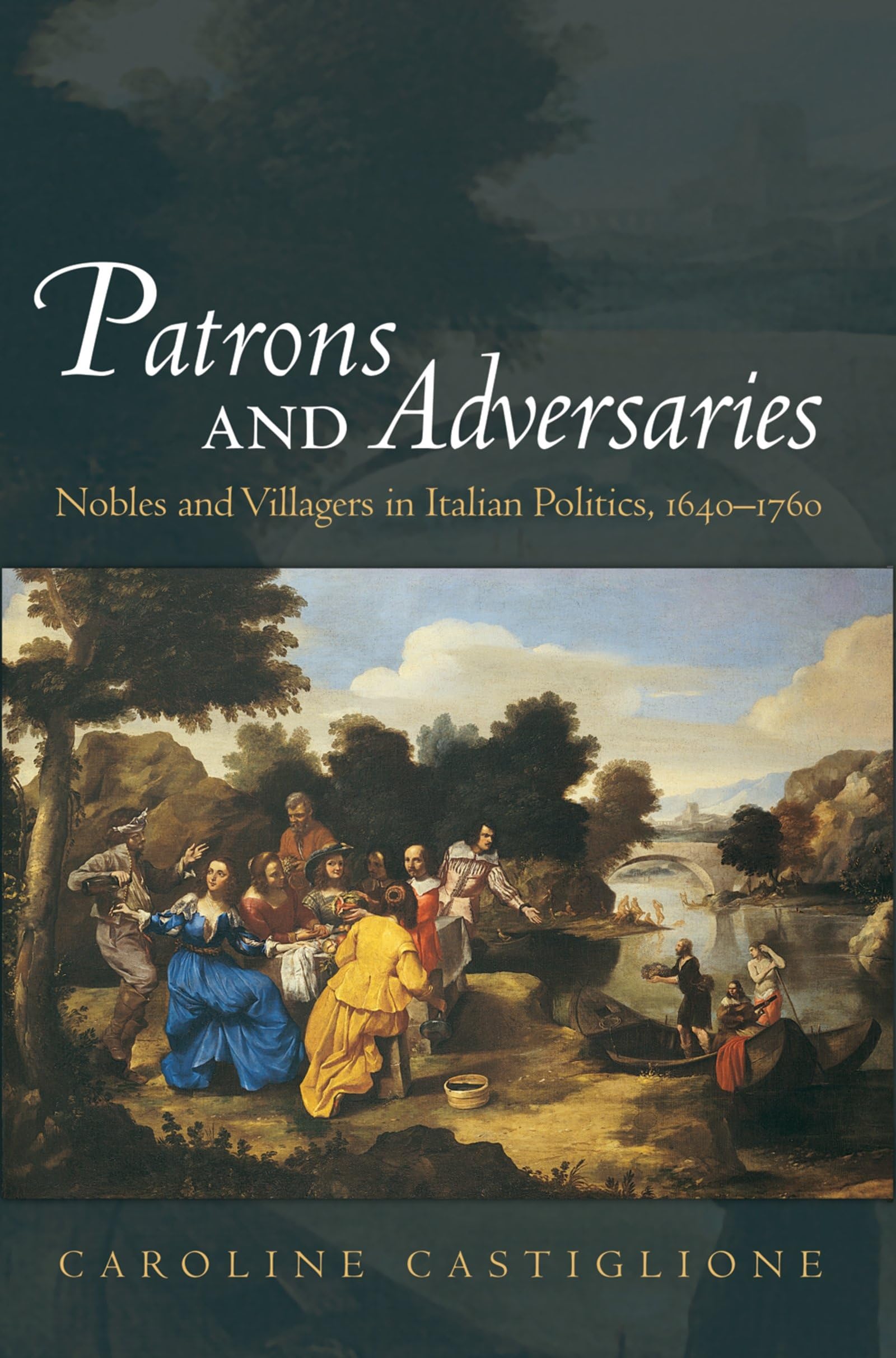
The early modern Roman countryside was a site of contestation between great aristocratic families and an expanding papal political regime. Rarely has the role of the inhabitants of this landscapethe villagersbeen considered as part of that power struggle.As Caroline Castiglione shows in this compelling revisionist work, one Roman aristocratic family, the Barberini, was not squeezed out of governing by the extension of the papal bureaucracy, but rather became increasingly engaged with it during the long eighteenth century. Through their participation in the rural commune, villagers in an extensive territory belonging to the Barberini became active participants in the governing of the countryside. Villagers cultivated and exploited interference from the aristocratic family and the papal government, but they also kept urban elites at bay, defending their rights through the strategies of adversarial literacy. Such literate practices drew on village mastery of local constitutions, debates in the village assembly, and brilliant use of the legal system of the papacy to thwart the designs of the Barberini. Later villagers created and interpreted sources for themselves, effectively challenging the elite monopoly on making and interpreting texts.A lost world of increasingly savvy villagers, irate nobles, and exasperated bureaucrats emerges here in an engaging narrative that chronicles how seemingly marginalized villagers challenged the pragmatic control of the Roman countryside, using texts and ideas that urban elites had exported to the countryside for other purposes.
⚠️ WARNING (California Proposition 65):
This product may contain chemicals known to the State of California to cause cancer,
birth defects, or other reproductive harm.
For MAP (Minimum Advertised Price) violations and Intellectual Property (IP) or Trademark concerns, please contact:
support@ergodebooks.com
⚠️ California Proposition 65 Warning: Some products sold on this website may expose you to chemicals known to the State of California to cause cancer, birth defects, or other reproductive harm. For more information, visit www.P65Warnings.ca.gov.