If you have any questions, you are always welcome to contact us. We'll get back to you as soon as possible, withing 24 hours on weekdays.
Customer service
All questions about your order, return and delivery must be sent to our customer service team by e-mail at yourstore@yourdomain.com
Sale & Press
If you are interested in selling our products, need more information about our brand or wish to make a collaboration, please contact us at press@yourdomain.com
Help
If you have any questions, you are always welcome to contact us. We'll get back to you as soon as possible, withing 24 hours on weekdays.
Customer service
All questions about your order, return and delivery must be sent to our customer service team by e-mail at yourstore@yourdomain.com
Sale & Press
If you are interested in selling our products, need more information about our brand or wish to make a collaboration, please contact us at press@yourdomain.com
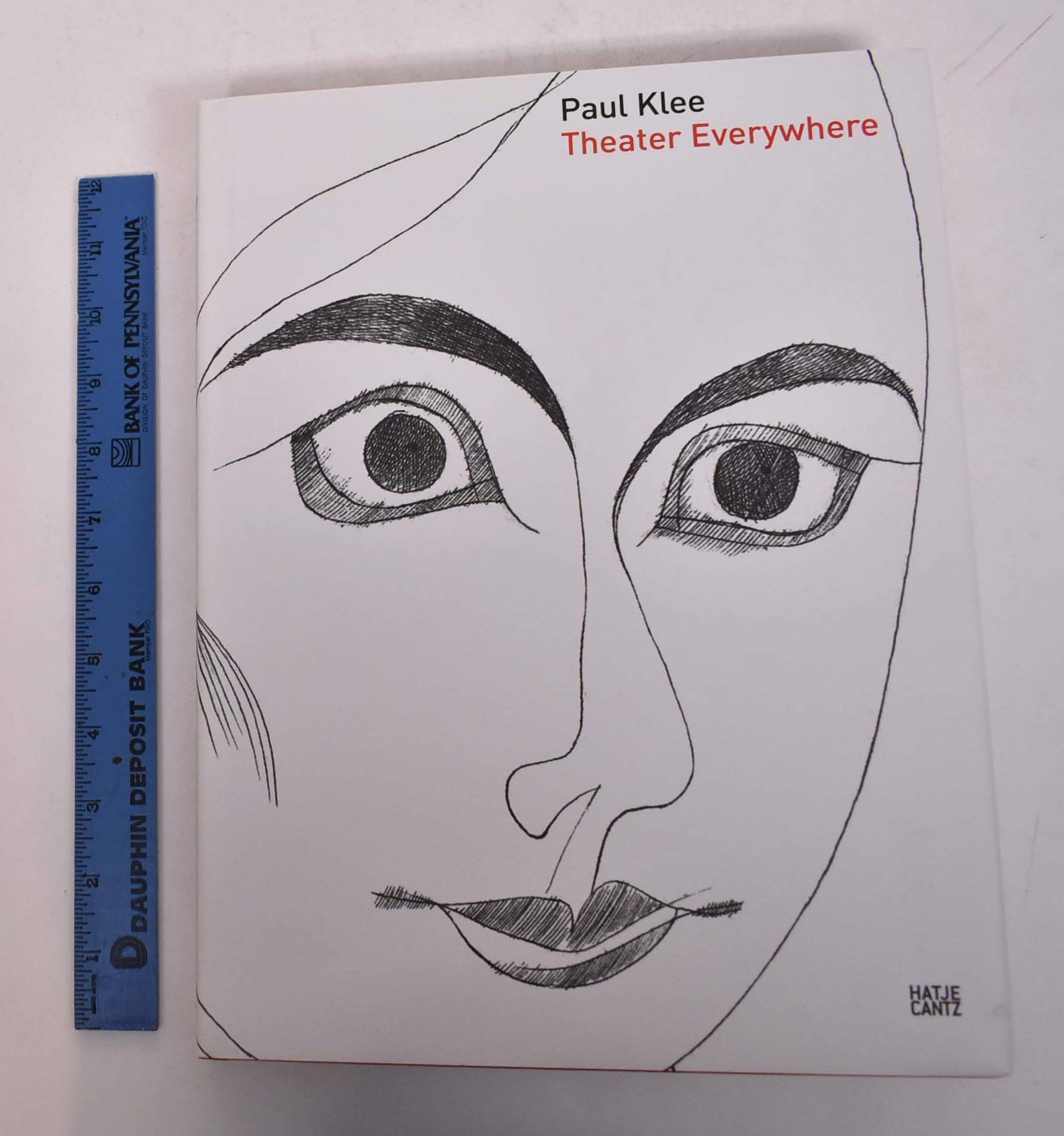
Like many of his Bauhaus contemporaries, Paul Klee (18791940) was deeply influenced by theater and the stage. Throughout his life Klee attended theatrical performances, from the opera to puppet shows, with an almost fanatical zeal, and characters from plays or operaHamlet, Falstaff and Don Giovanni, for examplepopulate his enigmatic visual world. Various types of character roles and theatrical elements, like clowns and masks, were firmly established themes in his repertoire, and as last year's delightful Paul Klee: Hand Puppets showed, he also delighted in puppetry, making bizarre bricolaged puppets out of household materials to amuse his son Felix. Primarily, though, Klee understood the sympathies between theater and life, absorbing the topos of the world as a stage into his observations: People became actors or marionettes and theatrical events touched upon scenes from everyday life. This publication sheds light on all of these aspects of Klee's fascination with the arts of the stage. A chronology gives a panoramic outline of his several encounters with the theater and a selection of works by contemporary artists makes it clear that Klee was not the only artist to be fascinated with the sharpeyed perception of theatrical scenariosthe topic is one that continues to engage artists today.
⚠️ WARNING (California Proposition 65):
This product may contain chemicals known to the State of California to cause cancer,
birth defects, or other reproductive harm.
For MAP (Minimum Advertised Price) violations and Intellectual Property (IP) or Trademark concerns, please contact:
support@ergodebooks.com
⚠️ California Proposition 65 Warning: Some products sold on this website may expose you to chemicals known to the State of California to cause cancer, birth defects, or other reproductive harm. For more information, visit www.P65Warnings.ca.gov.