
Title
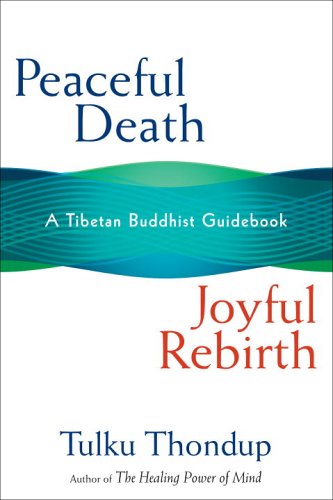
Peaceful Death, Joyful Rebirth: A Tibetan Buddhist Guidebook,Used
Sold by Ergodebooks, an authorized reseller.
Returns accepted within 30 days | support@ergodebooks.com
Shipping Information
- Free Standard Shipping — United States only
- Processing Time: 3–5 business days
- Estimated Delivery: 6–10 business days after dispatch
- Double-boxed, fully insured & discreetly packaged
- Tracking number sent via email once dispatched
Returns & Refund
Returns accepted within 30 days of delivery.
Damaged or Defective Item
Free return shipping + replacement or full refund
Wrong Item Received
Free return shipping + replacement or full refund
Change of Mind
Return shipping at customer's expense · 25% restocking fee applies
Payment Option

Buddhism teaches that death can be a springboard to enlightenmentyet for all but the most advanced meditators, it will be the gateway to countless future lives of suffering in samsara. Tulku Thondup wrote this guide to help us heal our fear and confusion about death and strengthen our practice in anticipation of this transition, and to help us realize the enlightened goal of ultimate peace and joynot only for death and rebirth, but for this very lifetime. In simple language, he distills a vast range of sources, including scriptures, classic commentaries, oral teachings, and firsthand accounts. The book includes: An overview of the dying process, the afterdeath bardo states, and teachings on why, where, and how we take rebirth Accounts by Tibetan "neardeath experiencers" ( delogs), who returned from death with amazing reports of their visions Ways to train our minds during life, so that at death, all the phenomena before us will arise as a world of peace, joy, and enlightenment Simple meditations, prayers, and rituals to benefit the dead and dying Advice for caregivers, helpers, and survivors of the dying A brief liturgy and explanation of phowa, the unique Tibetan meditation for transferring the consciousness of the dying (oneself or another) to an enlightened pure land
⚠️ WARNING (California Proposition 65):
This product may contain chemicals known to the State of California to cause cancer, birth defects, or other reproductive harm.
For more information, please visit www.P65Warnings.ca.gov.
- Q: How many pages does the book have? A: The book contains two hundred forty pages. This length provides a comprehensive exploration of Buddhist teachings on death and rebirth.
- Q: What are the dimensions of the book? A: The book measures six point one inches in length, one point three inches in width, and nine point zero two inches in height. These dimensions make it a manageable size for reading.
- Q: What type of binding does the book have? A: The book features hardcover binding. This ensures durability and protection for the pages inside.
- Q: How do I use this book for meditation? A: You can use this book as a guide for meditation by following the simple meditations and prayers included. It is designed to help you train your mind for peace and enlightenment.
- Q: Is this book suitable for beginners in Buddhism? A: Yes, the book is suitable for beginners. It distills complex teachings into simple language, making it accessible for those new to Buddhist concepts.
- Q: What age group is this book appropriate for? A: The book is appropriate for adults and older teens. It covers advanced Buddhist concepts that may not be suitable for younger readers.
- Q: How should I care for this book? A: To keep the book in good condition, store it in a dry place away from direct sunlight. Handle it carefully to avoid any damage to the cover or pages.
- Q: Can I clean the book if it gets dirty? A: Yes, you can clean the book gently with a dry cloth. Avoid using water or cleaning products, as this may damage the cover and pages.
- Q: Does this book include practices for caregivers? A: Yes, the book provides advice for caregivers and helpers. It offers insights on how to support the dying and their families during the transition.
- Q: How does this book compare to other Buddhist guides? A: This book stands out for its focus on death and rebirth in the Tibetan Buddhist context. It includes personal accounts and practical advice not found in many other guides.
- Q: Is this book focused on any specific Buddhist tradition? A: Yes, the book is focused on Tibetan Buddhism. It incorporates unique teachings and practices specific to this tradition.
- Q: What if I receive a damaged book? A: If you receive a damaged book, contact the seller for a return or exchange. Most sellers have policies in place to address such issues.
- Q: Is there a warranty on this book? A: No, books typically do not come with a warranty. However, you can check with the retailer for their specific return policies.
- Q: Can I gift this book to someone? A: Yes, this book makes an excellent gift for anyone interested in Buddhism or spiritual growth. Its insightful content is suitable for thoughtful readers.
- Q: Where can I find related resources or support? A: You can find related resources by visiting Buddhist centers or online forums. Many offer additional materials and support for those interested in these teachings.