
Title
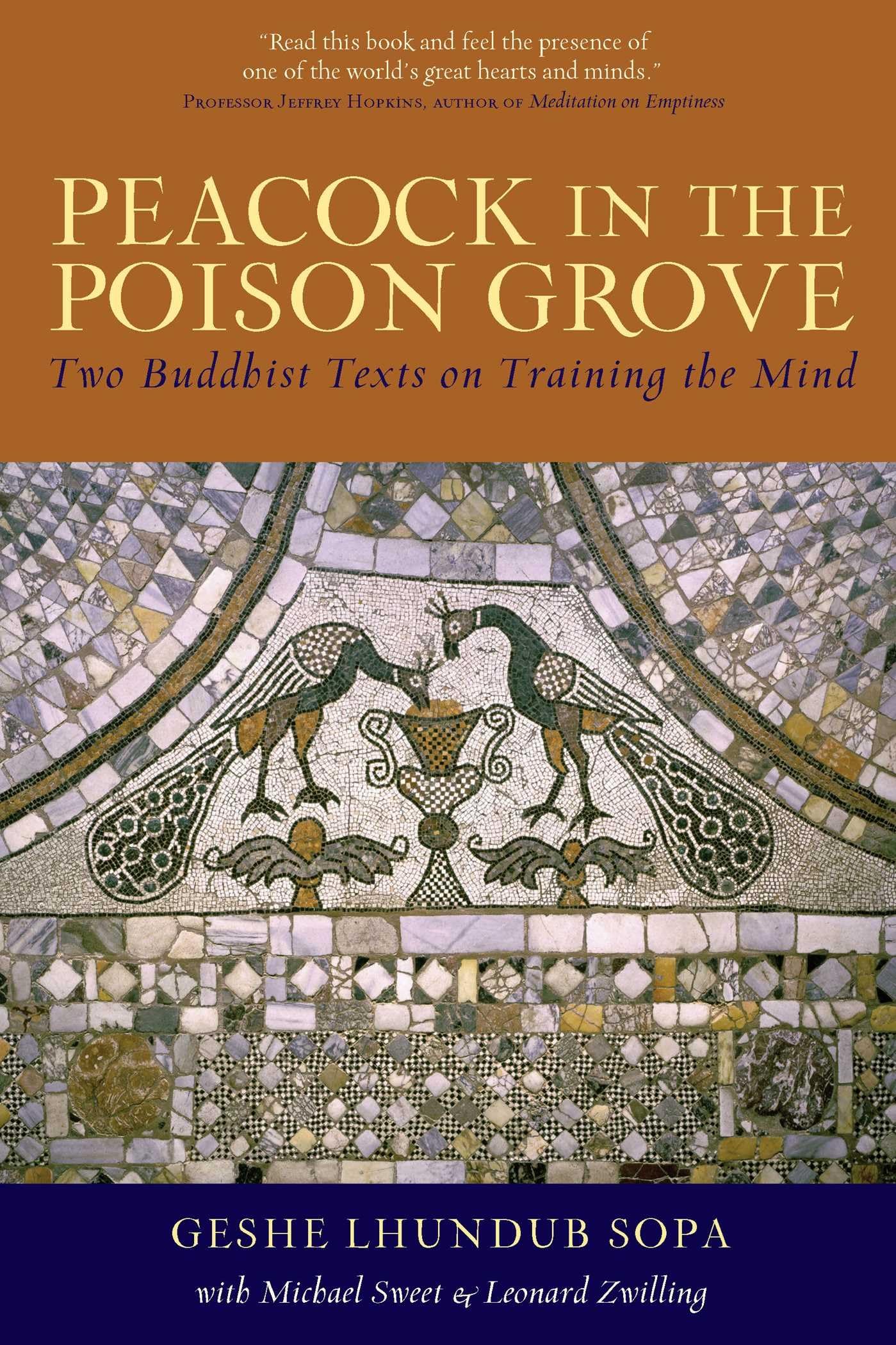
Peacock In The Poison Grove: Two Buddhist Texts On Training The Mind,New
Sold by Ergodebooks, an authorized reseller.
Returns accepted within 30 days | support@ergodebooks.com
Shipping Information
- Free Standard Shipping — United States only
- Processing Time: 3–5 business days
- Estimated Delivery: 6–10 business days after dispatch
- Double-boxed, fully insured & discreetly packaged
- Tracking number sent via email once dispatched
Returns & Refund
Returns accepted within 30 days of delivery.
Damaged or Defective Item
Free return shipping + replacement or full refund
Wrong Item Received
Free return shipping + replacement or full refund
Change of Mind
Return shipping at customer's expense · 25% restocking fee applies
Payment Option

Geshe Sopa offers insightful commentary on two of the earliest Tibetan texts that focus on mental training. Peacock in the Poison Grove presents powerful yogic methods of dispelling the selfish delusions of the ego and maintaining purity in our motives. Geshe Sopa's lucid explanations teach how we can fight the egocentric enemy within by realizing the truth of emptiness and by developing a compassionate, loving attitude toward others.
⚠️ WARNING (California Proposition 65):
This product may contain chemicals known to the State of California to cause cancer, birth defects, or other reproductive harm.
For more information, please visit www.P65Warnings.ca.gov.
- Q: How many pages does this book have? A: This book has three hundred twenty pages. It provides in-depth commentary on Buddhist mental training.
- Q: What is the binding type of this book? A: This book is available in paperback binding. Paperback is a common choice for easy handling and portability.
- Q: What are the dimensions of the book? A: The dimensions of the book are five point ninety-eight inches by zero point seventy-nine inches by nine point zero two inches. These measurements make it a convenient size for reading.
- Q: How do you read the teachings in this book? A: You can read the teachings by following Geshe Sopa's commentary on the texts. It guides readers on mental training and self-awareness.
- Q: Is this book suitable for beginners in Buddhism? A: Yes, this book is suitable for beginners. Geshe Sopa explains complex concepts in a clear and accessible manner.
- Q: What themes are explored in this book? A: This book explores themes of mental training, ego, and compassion. It emphasizes dispelling selfish delusions through yogic methods.
- Q: How should I care for this book? A: To care for this book, keep it in a dry, cool place to prevent damage. Avoid exposing it to direct sunlight to preserve the cover.
- Q: Can this book be read by children? A: Yes, this book can be read by older children with an interest in Buddhism. However, parental guidance may be helpful.
- Q: What if the book arrives damaged? A: If the book arrives damaged, you should contact the seller for a return or replacement. Most sellers have a policy for such issues.
- Q: Is this book a good gift for someone interested in spirituality? A: Yes, this book makes an excellent gift for those interested in spirituality and Buddhist teachings. It offers profound insights.
- Q: How often should I read this book to understand its concepts? A: You can read this book multiple times to fully grasp its concepts. Regular reading will deepen your understanding of the teachings.
- Q: Does this book include practical exercises? A: Yes, this book includes practical exercises for mental training. These exercises help apply the teachings in daily life.
- Q: What level of understanding is required to read this book? A: A basic understanding of Buddhist concepts is helpful but not required. The commentary is designed to illuminate the texts for all readers.
- Q: Is this book well-reviewed? A: Yes, this book has received positive reviews for its insightful commentary and clarity. Readers appreciate Geshe Sopa's approach.
- Q: What can I learn from this book about ego? A: You can learn about the nature of ego and how to combat egocentric thoughts. The book provides strategies for cultivating compassion.