
Title
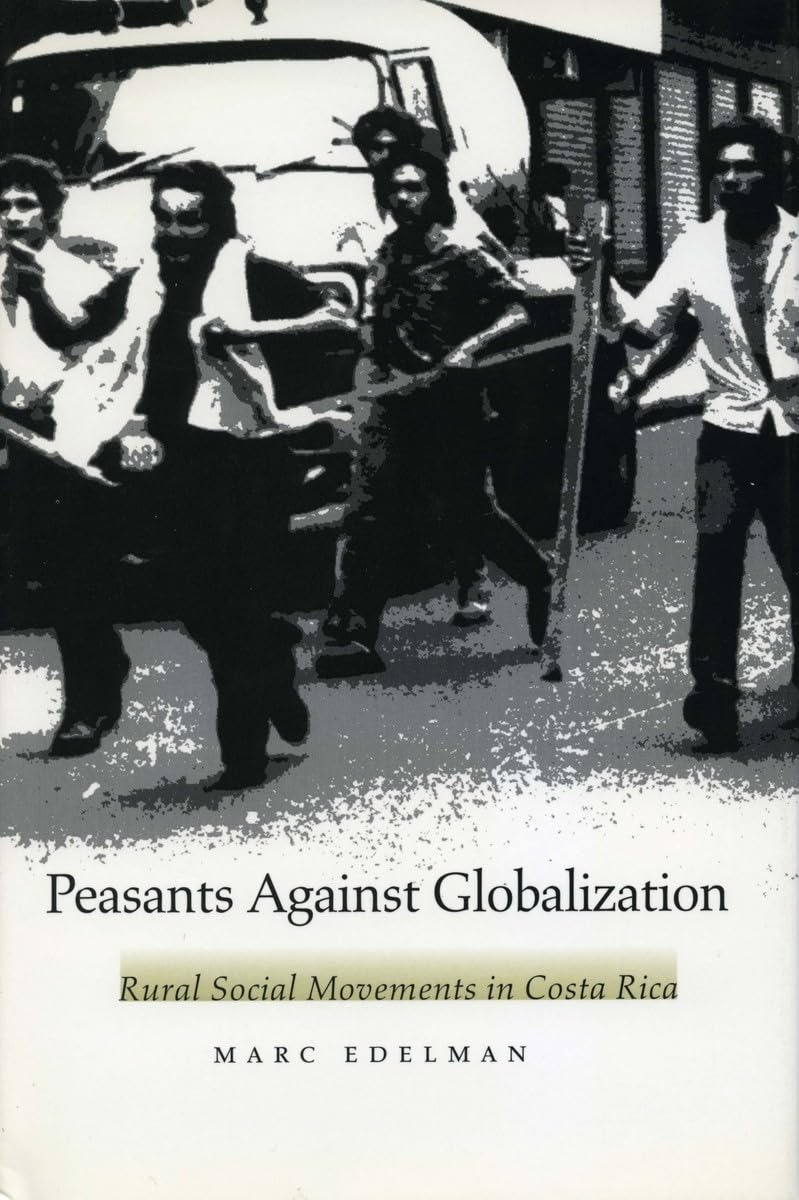
Peasants Against Globalization: Rural Social Movements in Costa Rica,New
Sold by Ergodebooks, an authorized reseller.
Returns accepted within 30 days | support@ergodebooks.com
Shipping Information
- Free Standard Shipping — United States only
- Processing Time: 3–5 business days
- Estimated Delivery: 6–10 business days after dispatch
- Double-boxed, fully insured & discreetly packaged
- Tracking number sent via email once dispatched
Returns & Refund
Returns accepted within 30 days of delivery.
Damaged or Defective Item
Free return shipping + replacement or full refund
Wrong Item Received
Free return shipping + replacement or full refund
Change of Mind
Return shipping at customer's expense · 25% restocking fee applies
Payment Option

This book tells the story of how small farmers responded to a freemarket onslaught that devastated one of the Western Hemispheres most advanced socialdemocratic welfare states. In the early 1980s, the Latin American debt crisis struck Costa Rica, leading to major cutbacks in the social programs that had permitted the rural poor to attain an acceptable standard of living and a modicum of dignity.Peasants were in the forefront of movements against these cutbacks, marching, blocking highways, and occupying government buildings. In the struggle to preserve their livelihood, the rural poor also formed alliances with wealthy farmers, negotiated with politicians, and embraced and then repudiated charismatic outsiders who came to live among them and to speak in their name. These rural activists combined classbound politics with concerns about threatened peasant identities, practical analysis with sentimentality, grassroots democracy with conspiratorial secrecy, and selfless sacrifice with opportunism.The small farmers portrayed in this book are worldly, outspoken, exuberant, futureoriented, and fiercely proud. They could hardly be less like the unsophisticated and stoic rustics so prominent in the development literature or those contemporary peasants whose imminent disappearance is endlessly predicted by both right and leftwing social scientists.The author argues that the experience of rural activism in Costa Rica in the 1980s and 1990s calls into question much current theory about collective action, peasantries, development, and ethnographic research. The book invites the reader to rethink debates about old and new social movements and to grapple with the ethical and methodological dilemmas of engaged ethnography.
⚠️ WARNING (California Proposition 65):
This product may contain chemicals known to the State of California to cause cancer, birth defects, or other reproductive harm.
For more information, please visit www.P65Warnings.ca.gov.
- Q: How many pages does this book have? A: This book has three hundred forty-three pages. It provides an in-depth exploration of rural social movements in Costa Rica.
- Q: What type of binding does this book have? A: This book is paperback bound. This makes it lightweight and easy to handle while reading.
- Q: Who is the author of this book? A: The author of this book is Marc Edelman. He examines the dynamics of rural activism in Costa Rica.
- Q: What is the main topic of this book? A: The main topic of this book is rural social movements against globalization in Costa Rica. It highlights the responses of small farmers to economic challenges.
- Q: Is this book suitable for academic research? A: Yes, this book is suitable for academic research. It challenges current theories about collective action and peasantries.
- Q: What genre does this book belong to? A: This book belongs to the genre of social science. It focuses on sociology and rural studies.
- Q: How should I store this book to keep it in good condition? A: Store this book in a cool, dry place away from direct sunlight. This will help preserve the pages and cover.
- Q: Can I read this book as a beginner in social studies? A: Yes, beginners in social studies can read this book. It offers accessible insights into rural movements and social theory.
- Q: What should I do if the book arrives damaged? A: If the book arrives damaged, contact the seller for a replacement or refund. Most sellers have return policies for damaged items.
- Q: Is there any special care needed for this book? A: No special care is needed for this book. Just handle it gently and avoid exposing it to moisture.
- Q: What unique perspectives does this book offer? A: This book offers unique perspectives on class politics and social movements in rural Costa Rica. It combines practical analysis with personal narratives.
- Q: How does this book compare to others on globalization? A: This book provides a grassroots perspective on globalization. Unlike many other texts, it focuses on local activism and identity.
- Q: What kind of audience is this book intended for? A: This book is intended for scholars, students, and anyone interested in social movements. It appeals to readers interested in Latin American studies.
- Q: Are there any illustrations or photographs in the book? A: No, this book does not contain illustrations or photographs. It primarily consists of text and analysis.
- Q: What is the publication date of this book? A: The publication date of this book is not specified in the details provided. It is published by Stanford University Press.
- Q: Is this book considered a reliable source? A: Yes, this book is considered a reliable source. It is published by a reputable academic publisher and authored by a knowledgeable expert.