
Title
Peculiar Attunements: How Affect Theory Turned Musical,Used
Sold by Ergodebooks, an authorized reseller.
Returns accepted within 30 days | support@ergodebooks.com
Shipping Information
- Free Standard Shipping — United States only
- Processing Time: 3–5 business days
- Estimated Delivery: 6–10 business days after dispatch
- Double-boxed, fully insured & discreetly packaged
- Tracking number sent via email once dispatched
Returns & Refund
Returns accepted within 30 days of delivery.
Damaged or Defective Item
Free return shipping + replacement or full refund
Wrong Item Received
Free return shipping + replacement or full refund
Change of Mind
Return shipping at customer's expense · 25% restocking fee applies
Payment Option

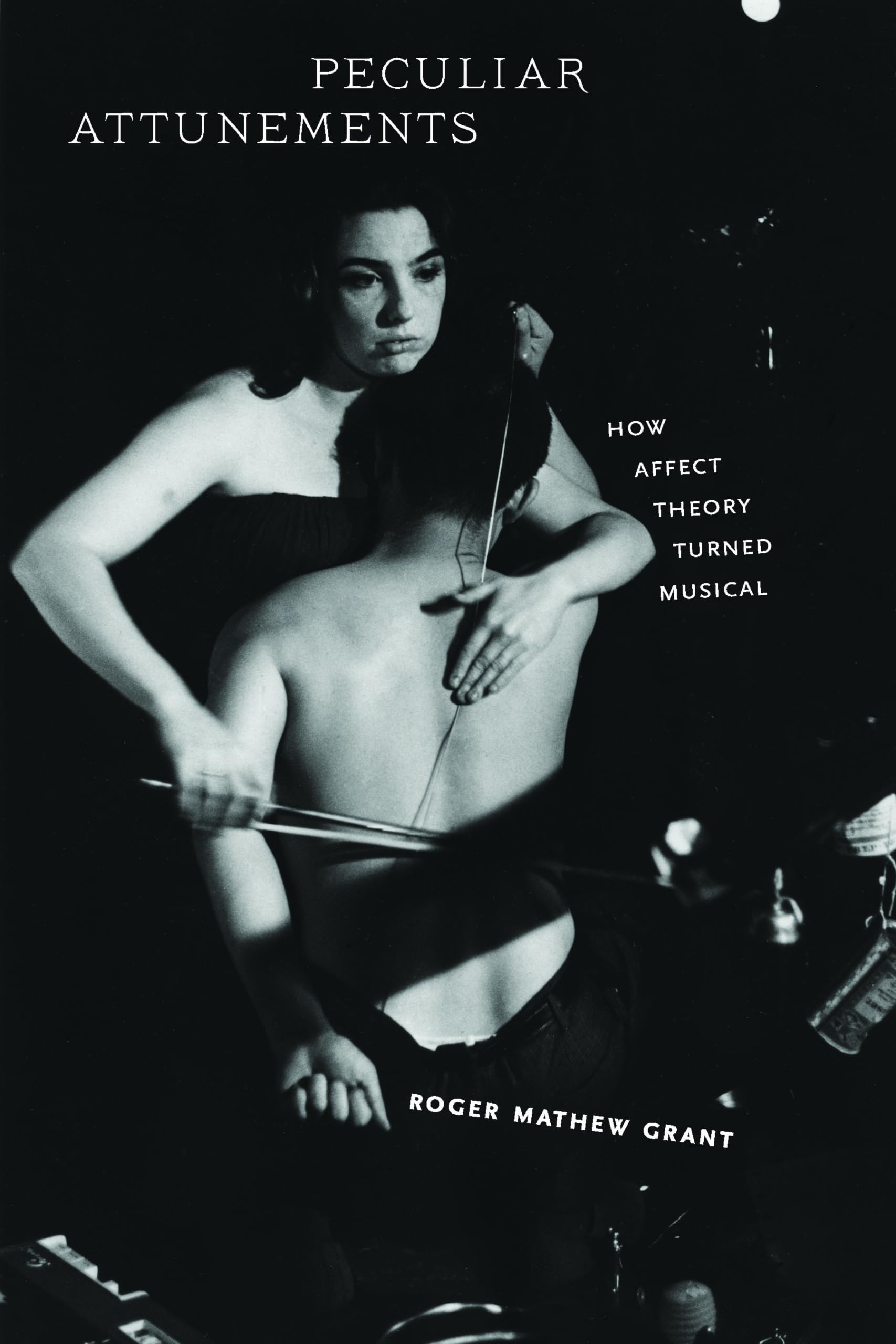
Peculiar Attunements places the recent turn to affect into conversation with a parallel movement in European music theory of the eighteenth century. During that time the affectsor passions, as they were also calledformed a vital component of a mimetic model of the arts. Eighteenthcentury critics held that artworks imitated or copied the natural world in order to produce copies of the affects in their beholders. But music caused a problem for such theories, since it wasnt apparent that musical tones could imitate anything with any dependability, beyond the rare thunderclap or birdcall.Struggling to articulate how it was that music managed to move its auditors without imitation, certain theorists developed a new affect theory crafted especially for music, postulating that musics physical materiality as sound vibrated the nerves of listeners and attuned them to the affects through sympathetic resonance. This was a theory of affective attunement that bypassed the entire structure of representation, offering a nondiscursive, corporeal alternative. It is a pendant to contemporary theories of affect, and one from which they have much to learn. Inflecting our current intellectual moment through eighteenthcentury music theory and aesthetics, this book offers a reassessment of affect theorys common systems and processes. It offers a new way of thinking through affect dialectically, drawing attention to patterns and problems in affect theory that we have been given to repeating. Finally, taking a cue from eighteenthcentury theory, it gives renewed attention to the objects that generate affects in subjects.
⚠️ WARNING (California Proposition 65):
This product may contain chemicals known to the State of California to cause cancer, birth defects, or other reproductive harm.
For more information, please visit www.P65Warnings.ca.gov.