
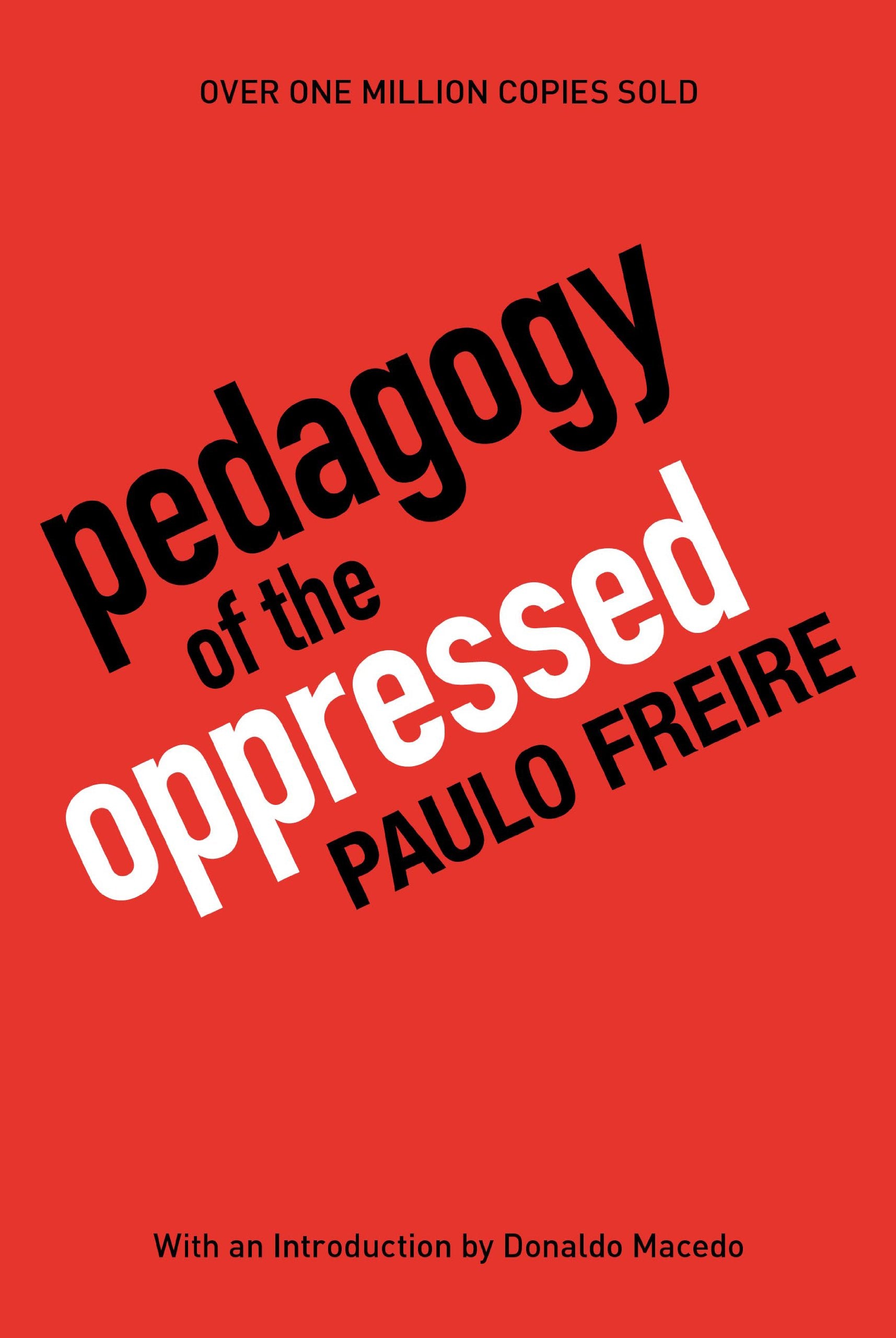
Title
Pedagogy of the Oppressed, 30th Anniversary Edition,New
Sold by Ergodebooks, an authorized reseller.
Returns accepted within 30 days | support@ergodebooks.com
Shipping Information
- Free Standard Shipping — United States only
- Processing Time: 3–5 business days
- Estimated Delivery: 6–10 business days after dispatch
- Double-boxed, fully insured & discreetly packaged
- Tracking number sent via email once dispatched
Returns & Refund
Returns accepted within 30 days of delivery.
Damaged or Defective Item
Free return shipping + replacement or full refund
Wrong Item Received
Free return shipping + replacement or full refund
Change of Mind
Return shipping at customer's expense · 25% restocking fee applies
Payment Option

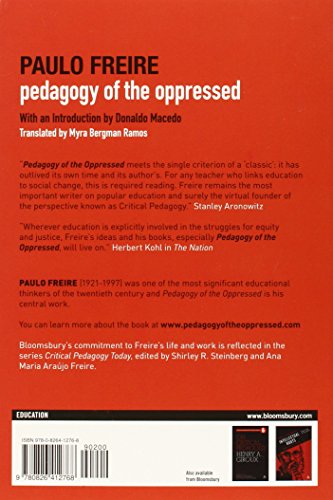
First published in Portuguese in 1968, Pedagogy of the Oppressed was translated and published in English in 1970. The methodology of the late Paulo Freire has helped to empower countless impoverished and illiterate people throughout the world. Freire's work has taken on especial urgency in the United States and Western Europe, where the creation of a permanent underclass among the underprivileged and minorities in cities and urban centers is increasingly accepted as the norm.With a substantive new introduction on Freire's life and the remarkable impact of this book by writer and Freire confidant and authority Donaldo Macedo, this anniversary edition of Pedagogy of the Oppressed will inspire a new generation of educators, students, and general readers for years to come.
⚠️ WARNING (California Proposition 65):
This product may contain chemicals known to the State of California to cause cancer, birth defects, or other reproductive harm.
For more information, please visit www.P65Warnings.ca.gov.
- Q: How many pages does this book have? A: This book has one hundred eighty-three pages. It is designed to provide a comprehensive exploration of Paulo Freire's educational philosophies.
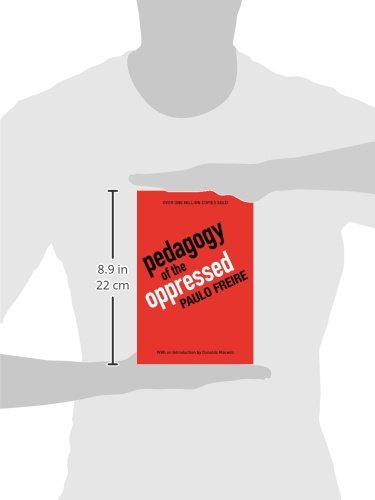
- Q: What are the dimensions of this book? A: The dimensions of the book are six inches in length, eight point eight six inches in height, and zero point five three inches in width. This makes it easily portable for readers.
- Q: What type of binding does this book have? A: This book features paperback binding. This allows for a lightweight and flexible reading experience.
- Q: Who is the author of this book? A: The author of this book is Paulo Freire. He is renowned for his influential work in education and social justice.
- Q: What is the main theme of 'Pedagogy of the Oppressed'? A: The main theme is the empowerment of oppressed individuals through education. Freire emphasizes critical pedagogy as a means to challenge systemic inequalities.
- Q: Is this book suitable for beginners in education? A: Yes, this book is suitable for beginners in education. It articulates fundamental concepts that can be understood by those new to pedagogy.
- Q: What audience is this book intended for? A: This book is intended for educators, students, and general readers interested in social justice and education. Its insights are relevant across various contexts.
- Q: How can I apply the concepts from this book in teaching? A: You can apply the concepts by fostering critical thinking and dialogue in your classroom. Encourage students to question societal norms and engage in reflective learning.
- Q: Is this book relevant for modern educational practices? A: Yes, this book is highly relevant for modern educational practices. Its principles continue to inspire educators to address equity and social issues in their teaching.
- Q: How should I care for this paperback book? A: To care for this paperback book, store it in a cool, dry place and avoid exposing it to direct sunlight. This will help preserve its condition.
- Q: Can I lend this book to others? A: Yes, you can lend this book to others. Just ensure it is returned in good condition to maintain its quality.
- Q: What should I do if the book arrives damaged? A: If the book arrives damaged, contact the seller immediately for a return or exchange. Most sellers have policies in place to address such issues.
- Q: Is there a warranty for this book? A: No, there is typically no warranty for books. However, check the seller's return policy for any specific guarantees.
- Q: Where can I find more resources on Freire's methodologies? A: You can find more resources on Freire's methodologies in academic journals, educational websites, and libraries. Many institutions offer courses based on his work.
- Q: Is this book a good choice for a book club? A: Yes, this book is an excellent choice for a book club. Its themes promote rich discussion and critical thinking among participants.
- Q: How does this book compare to other educational texts? A: This book stands out for its focus on social justice and empowerment. Unlike many educational texts, it challenges conventional teaching methods.