
Title
Pedestrian Modern: Shopping and American Architecture, 19251956,Used
Sold by Ergodebooks, an authorized reseller.
Returns accepted within 30 days | support@ergodebooks.com
Shipping Information
- Free Standard Shipping — United States only
- Processing Time: 3–5 business days
- Estimated Delivery: 6–10 business days after dispatch
- Double-boxed, fully insured & discreetly packaged
- Tracking number sent via email once dispatched
Returns & Refund
Returns accepted within 30 days of delivery.
Damaged or Defective Item
Free return shipping + replacement or full refund
Wrong Item Received
Free return shipping + replacement or full refund
Change of Mind
Return shipping at customer's expense · 25% restocking fee applies
Payment Option

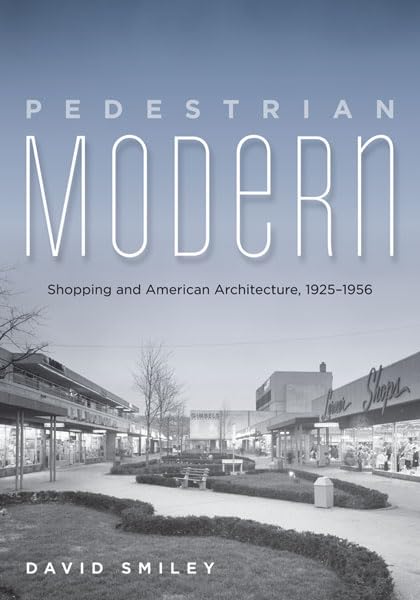
Too close to the wiles and calculations of consumption, stores and shopping centers are generally relegated to secondary, pedestrian status in the history of architecture. And yet, throughout the middle decades of the twentieth century, stores and shopping centers were an important locus of modernist architectural thought and practice. Under the mantle of modernism, the merchandising problems and possibilities of main streets, cities, and suburbs became legitimateif also conflictedresponsibilities of the architectural profession.In Pedestrian Modern, David Smiley reveals how the design for places of consumption informed emerging modernist tenets. The architect was viewed as a coordinator and a site plannermodernist tropes particularly well suited to merchandising. Smiley follows this development from the twenties and thirties, when glass and transparency were equated with modernist rationality; to the forties, when cities and congestion presented considerable hurdles for shopping district design and, at the same time, when modern concerns about the pedestrian deeply affected city and neighborhood planning; to the early fifties, when both urban shopping districts and suburban shopping centers became largescale modernist undertakings. Although interpreting the tools and principles of modernism, designs for shopping never quite shed the specter of consumption.Tracing the history of architectures relationship with retail environments during a time of significant transformation in urban centers and in open suburban landscapes, Smiley expands and qualifies the making of American modernism.
⚠️ WARNING (California Proposition 65):
This product may contain chemicals known to the State of California to cause cancer, birth defects, or other reproductive harm.
For more information, please visit www.P65Warnings.ca.gov.