If you have any questions, you are always welcome to contact us. We'll get back to you as soon as possible, withing 24 hours on weekdays.
Customer service
All questions about your order, return and delivery must be sent to our customer service team by e-mail at yourstore@yourdomain.com
Sale & Press
If you are interested in selling our products, need more information about our brand or wish to make a collaboration, please contact us at press@yourdomain.com
Help
If you have any questions, you are always welcome to contact us. We'll get back to you as soon as possible, withing 24 hours on weekdays.
Customer service
All questions about your order, return and delivery must be sent to our customer service team by e-mail at yourstore@yourdomain.com
Sale & Press
If you are interested in selling our products, need more information about our brand or wish to make a collaboration, please contact us at press@yourdomain.com
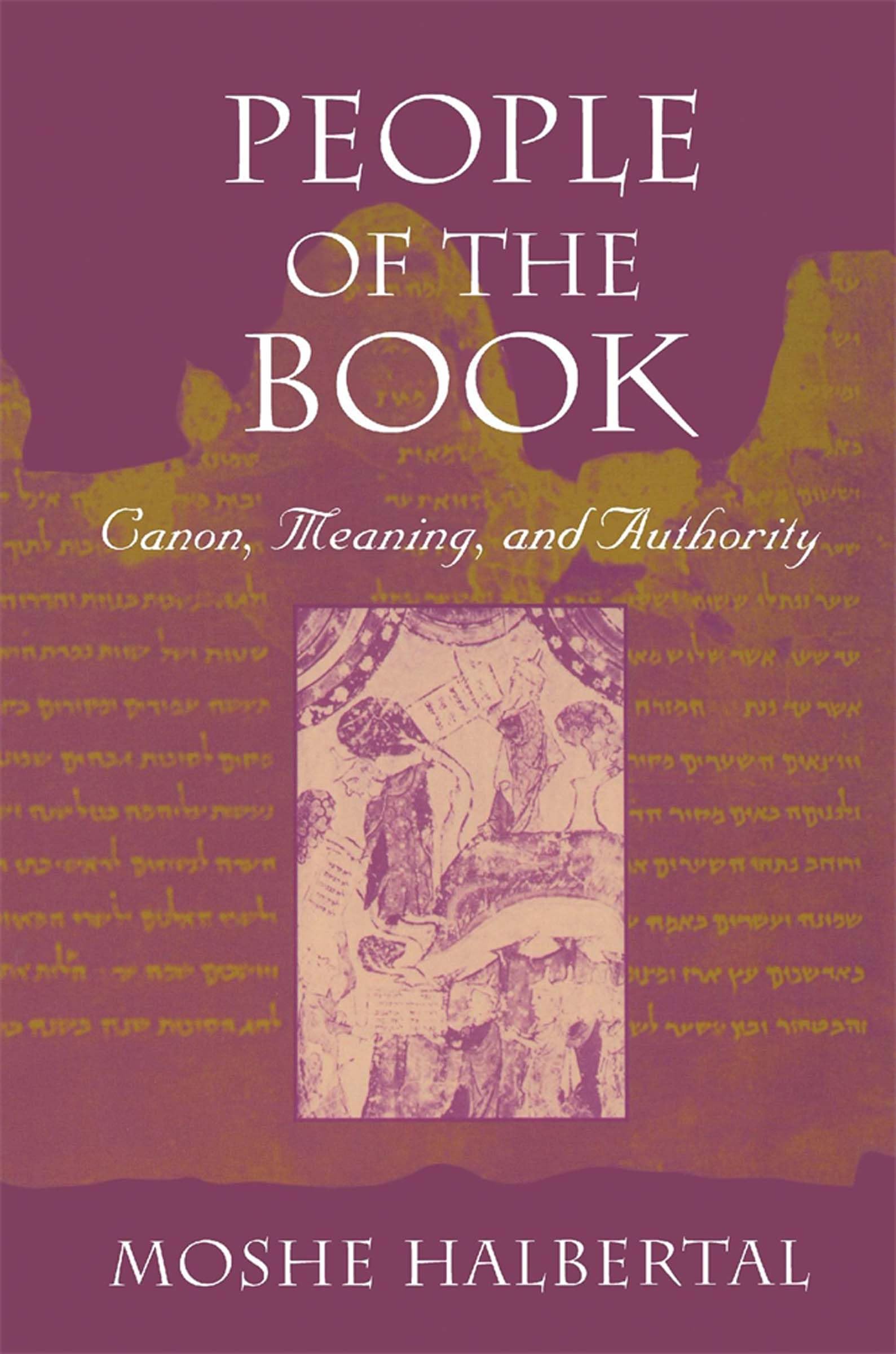
While Scripture is at the center of many religions, among them Islam and Christianity, this book inquires into the function, development, and implications of the centrality of text upon the Jewish community, and by extension on the larger question of canonization and the textcentered community. It is a commonplace to note how the landless and scattered Jewish communities have, from the time of the destruction of the Temple in Jerusalem in 70 A.D. until the founding of modern Israel in 1948, cleaved to the text and derived their identity from it. But the story is far more complex. The shift from the Bible to the Torah, from biblical religion to rabbinic Judaism mediated by the Sages, and the sealing of the canon together with its continuing interpretive work demanded from the community, amount to what could be called an unparalleled obsession with textuality. Halbertal gives us insights into the history of this obsession, in a philosophically sophisticated yet straightforward narrative.People of the Book offers the best introduction available to Jewish hermeneutics, a book capable of conveying the importance of the tradition to a wide audience of both academic and general readers. Halbertal provides a panoramic survey of Jewish attitudes toward Scripture, provocatively organized around problems of normative and formative authority, with an emphasis on the changing status and functions of Mishnah, Talmud, and Kabbalah. With a gift for weaving complex issues of interpretation into his own plot, he animates ancient texts by assigning them roles in his own highly persuasive narrative.
⚠️ WARNING (California Proposition 65):
This product may contain chemicals known to the State of California to cause cancer,
birth defects, or other reproductive harm.
For MAP (Minimum Advertised Price) violations and Intellectual Property (IP) or Trademark concerns, please contact:
support@ergodebooks.com
⚠️ California Proposition 65 Warning: Some products sold on this website may expose you to chemicals known to the State of California to cause cancer, birth defects, or other reproductive harm. For more information, visit www.P65Warnings.ca.gov.