
Title
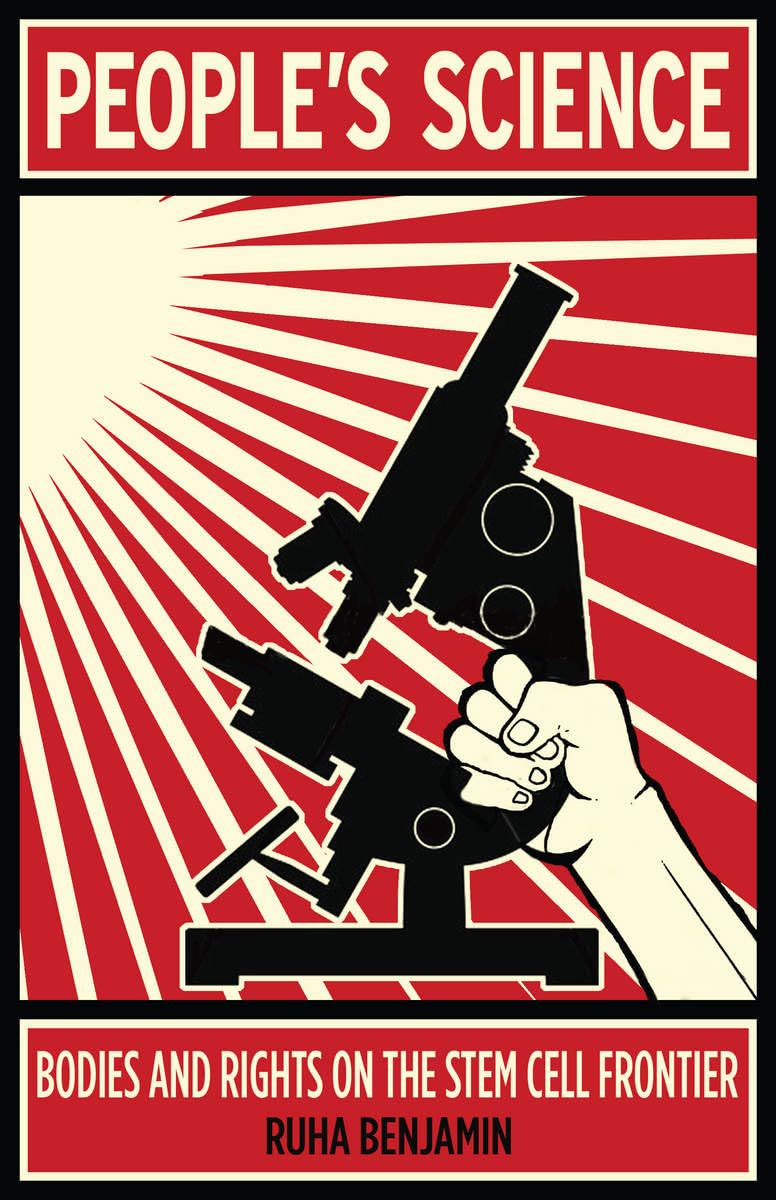
People'S Science: Bodies And Rights On The Stem Cell Frontier,Used
Sold by Ergodebooks, an authorized reseller.
Returns accepted within 30 days | support@ergodebooks.com
Shipping Information
- Free Standard Shipping — United States only
- Processing Time: 3–5 business days
- Estimated Delivery: 6–10 business days after dispatch
- Double-boxed, fully insured & discreetly packaged
- Tracking number sent via email once dispatched
Returns & Refund
Returns accepted within 30 days of delivery.
Damaged or Defective Item
Free return shipping + replacement or full refund
Wrong Item Received
Free return shipping + replacement or full refund
Change of Mind
Return shipping at customer's expense · 25% restocking fee applies
Payment Option

Stem cell research has sparked controversy and heated debate since the first human stem cell line was derived in 1998. Too frequently these debates devolve to simple judgmentsgood or bad, lifesaving medicine or bioethical nightmare, symbol of human ingenuity or our fall from graceignoring the people affected. With this book, Ruha Benjamin moves the terms of debate to focus on the shifting relationship between science and society, on the people who benefitor don'tfrom regenerative medicine and what this says about our democratic commitments to an equitable society.People's Science uncovers the tension between scientific innovation and social equality, taking the reader inside California's 2004 stem cell initiative, the first of many state referenda on scientific research, to consider the lives it has affected. Benjamin reveals the promise and peril of public participation in science, illuminating issues of race, disability, gender, and socioeconomic class that serve to define certain groups as more or less deserving in their political aims and biomedical hopes. Under the shadow of the free market and in a nation still at odds with universal healthcare, the socially marginalized are often eagerly embraced as testsubjects, yet often are unable to afford new medicines and treatment regimes as patients.Ultimately, Ruha Benjamin argues that without more deliberate consideration about how scientific initiatives can and should reflect a wider array of social concerns, stem cell research from African Americans' struggle with sickle cell treatment to the recruitment of women as tissue donorsstill risks excluding many. Even as regenerative medicine is described as a participatory science for the people, Benjamin asks us to consider if 'the people' ultimately reflects our democratic ideals.
⚠️ WARNING (California Proposition 65):
This product may contain chemicals known to the State of California to cause cancer, birth defects, or other reproductive harm.
For more information, please visit www.P65Warnings.ca.gov.