
Title
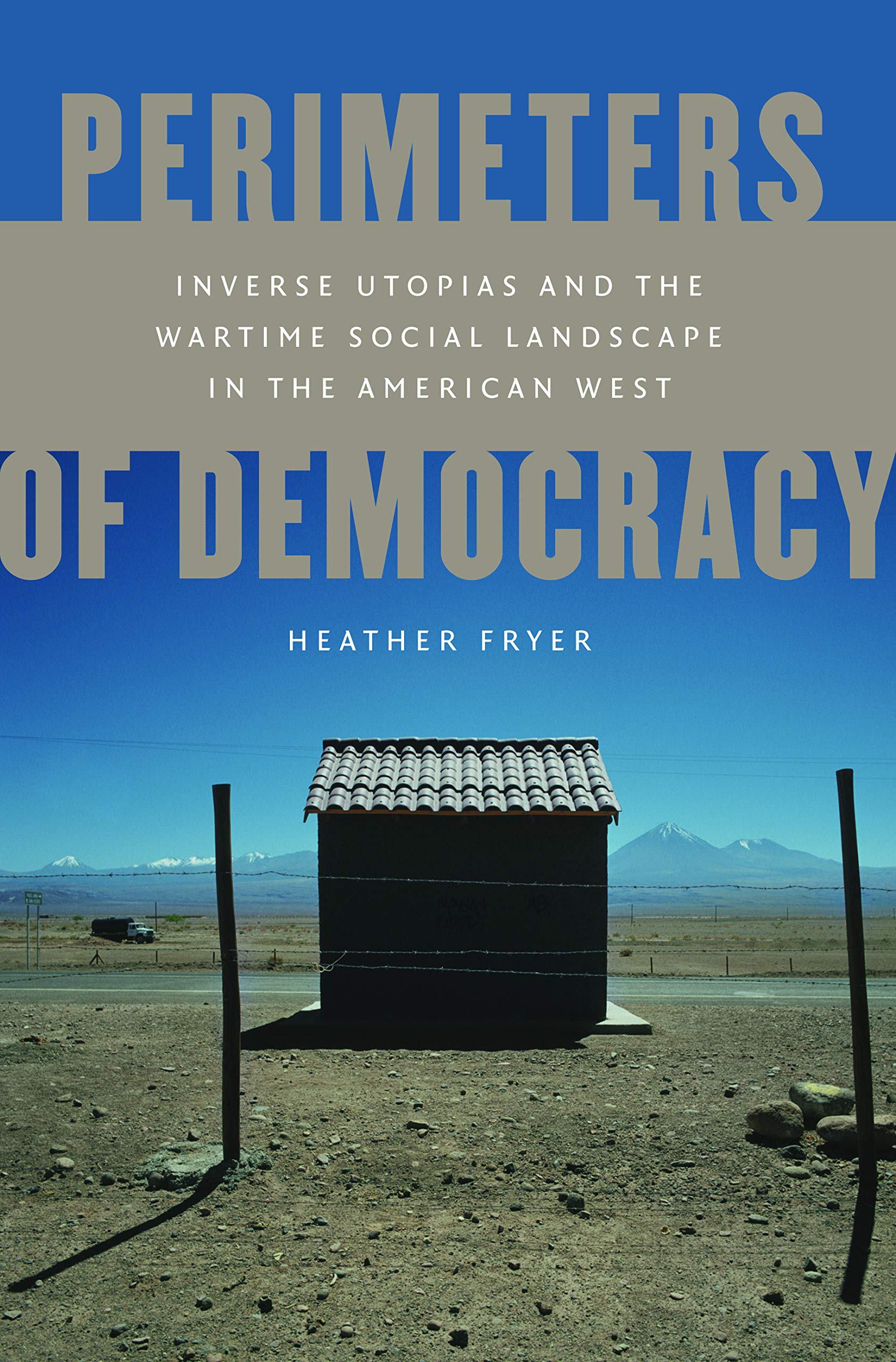
Perimeters Of Democracy: Inverse Utopias And The Wartime Social Landscape In The American West,Used
Sold by Ergodebooks, an authorized reseller.
Returns accepted within 30 days | support@ergodebooks.com
Shipping Information
- Free Standard Shipping — United States only
- Processing Time: 3–5 business days
- Estimated Delivery: 6–10 business days after dispatch
- Double-boxed, fully insured & discreetly packaged
- Tracking number sent via email once dispatched
Returns & Refund
Returns accepted within 30 days of delivery.
Damaged or Defective Item
Free return shipping + replacement or full refund
Wrong Item Received
Free return shipping + replacement or full refund
Change of Mind
Return shipping at customer's expense · 25% restocking fee applies
Payment Option

During times of conflict, Americans have worried that enemies within would twist freedom of speech into a weapon of propaganda and use freedom of assembly to unleash violent internal chaos. As a result, the government isolated and confined within federal communities groups that they deemed dangerous. Within these socalled cultural structures of realistic democracy, the government awkwardly attempted to protect citizens while curbing their rights and freedoms.It is no accident that the governments enclosed worlds were most numerous in the American West, where abundant open space has long symbolized the glory of American freedom and progress. Heather Fryer looks at four of these inverse utopias in the American West: the Klamath Indian reservation; the community of nuclear scientists in Los Alamos; the Japanese internment camp in Topaz, Utah; and the wartime company town of Vanport, Oregon. Each community stripped freedoms from Americans based on beliefs about the treacherous tendencies of minorities, workers, and radicals. Although the differences of experience among the four populations were considerable, they shared the marginalization, repression, displacement, and disillusionment with the federal government that flourished within the confined spaces of Americas inverse utopias. Nor was their experience theirs alone; it is instead part of a patterned, national, wartime dynamic that makes enemies of citizens while fighting to extend American freedom to every corner of the globe.
⚠️ WARNING (California Proposition 65):
This product may contain chemicals known to the State of California to cause cancer, birth defects, or other reproductive harm.
For more information, please visit www.P65Warnings.ca.gov.
- Q: How many pages does this book have? A: This book has four hundred thirty-two pages. It provides an in-depth exploration of the social landscape during wartime in the American West.
- Q: What is the binding type of this book? A: This book is a hardcover edition. Hardcover bindings are known for their durability and premium feel.
- Q: What are the dimensions of this book? A: The dimensions of this book are six point four two inches by one point five inches by nine point one inches. These measurements make it a manageable size for reading.
- Q: Is this book suitable for academic study? A: Yes, this book is suitable for academic study. It presents historical analysis and critical perspectives relevant to sociology and history courses.
- Q: What themes does this book explore? A: This book explores themes of democracy, freedom, and societal repression during wartime. It examines the impact of governmental actions on marginalized communities.
- Q: Who is the author of this book? A: The author of this book is Heather Fryer. She is known for her research and writings on social issues in American history.
- Q: How should I store this book? A: Store this book in a cool, dry place, upright on a shelf. Avoid exposure to direct sunlight to prevent fading and deterioration.
- Q: Can this book be read by young adults? A: Yes, this book can be read by young adults. It is recommended for readers who are interested in historical and social analysis.
- Q: Is it safe to read this book on a tablet? A: Yes, if a digital version is available, it is safe to read on a tablet. E-readers typically provide a comfortable reading experience.
- Q: What condition is this used book in? A: This is a used book in good condition. It may show signs of wear but is still fully readable and intact.
- Q: How do I clean this book if it gets dirty? A: To clean this book, gently wipe the cover with a dry, soft cloth. Avoid using water or cleaning solutions on the pages.
- Q: Is there a warranty on this book? A: No, there is no warranty on this book. However, used books are typically sold as-is.
- Q: What if the book arrives damaged? A: If the book arrives damaged, contact the seller for return or exchange options. Always keep your receipt for reference.
- Q: How does this book compare to others in its genre? A: This book offers a unique perspective compared to others in the historical genre. It focuses specifically on wartime social dynamics in the American West.
- Q: Is this book appropriate for a general audience? A: Yes, this book is appropriate for a general audience. It provides accessible insights into complex historical issues.