
Title
Perishable Material in the Northeast,New
Sold by Ergodebooks, an authorized reseller.
Returns accepted within 30 days | support@ergodebooks.com
Shipping Information
- Free Standard Shipping — United States only
- Processing Time: 3–5 business days
- Estimated Delivery: 6–10 business days after dispatch
- Double-boxed, fully insured & discreetly packaged
- Tracking number sent via email once dispatched
Returns & Refund
Returns accepted within 30 days of delivery.
Damaged or Defective Item
Free return shipping + replacement or full refund
Wrong Item Received
Free return shipping + replacement or full refund
Change of Mind
Return shipping at customer's expense · 25% restocking fee applies
Payment Option

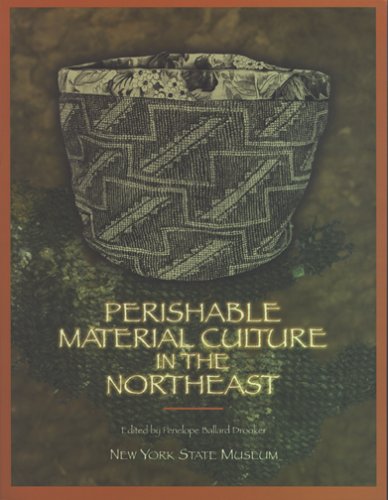
Objects made from organic materials such as wood, bark, plant fiber, hair, or leather rarely survive in the archaeological record of northeastern North America because of the regions temperate, humid climate. In other parts of the world with good preservation conditions deserts, dry caves, anaerobic wet sites, and high altitude and low latitude frozen sites archaeologists have found that over 95% of the humanmade objects discovered are made from perishable organic materials. Thus, the archaeological record in the Northeast only poorly reflects the actual material culture of people who lived there during the past 12,000 years. We know a great deal about stone projectile points, ceramic containers, and even bone tools, but little about ceremonial costumes, everyday clothing, bags, baskets, boxes, cooking utensils, house furnishings, hunting and fishing nets, snowshoes, boats, and hundreds of other everyday objects.This volume focuses on the widespread use of organic materials by Native Americans in the Northeast, highlighting the most recent research on perishable material culture in this region, and illustrating how to obtain as much information as possible about perishable objects from the meager archaeological record. Early Euroamerican sites also are included. As the first publication devoted to the production and use of objects made from perishable materials in the Northeast, it brings together a wide range of relevant studies that typically have been difficult to locate because they have been scattered throughout the archaeological, ethnohistorical, textile history, and conservation literature.The individual chapters include both regional overviews and case histories of surviving evidence for these types of objects in the Northeast, with analyses of their importance in the social economy of the region. They employ both primary evidence (actual objects or fragments of them) and secondary evidence (such as impressions of fabrics in pottery, metal pseudomorphs, or images of objects). A large number of the chapters provide information on cordage and fabrics; many include bark, wood, and leather objects as well.
⚠️ WARNING (California Proposition 65):
This product may contain chemicals known to the State of California to cause cancer, birth defects, or other reproductive harm.
For more information, please visit www.P65Warnings.ca.gov.