If you have any questions, you are always welcome to contact us. We'll get back to you as soon as possible, withing 24 hours on weekdays.
Customer service
All questions about your order, return and delivery must be sent to our customer service team by e-mail at yourstore@yourdomain.com
Sale & Press
If you are interested in selling our products, need more information about our brand or wish to make a collaboration, please contact us at press@yourdomain.com
Help
If you have any questions, you are always welcome to contact us. We'll get back to you as soon as possible, withing 24 hours on weekdays.
Customer service
All questions about your order, return and delivery must be sent to our customer service team by e-mail at yourstore@yourdomain.com
Sale & Press
If you are interested in selling our products, need more information about our brand or wish to make a collaboration, please contact us at press@yourdomain.com
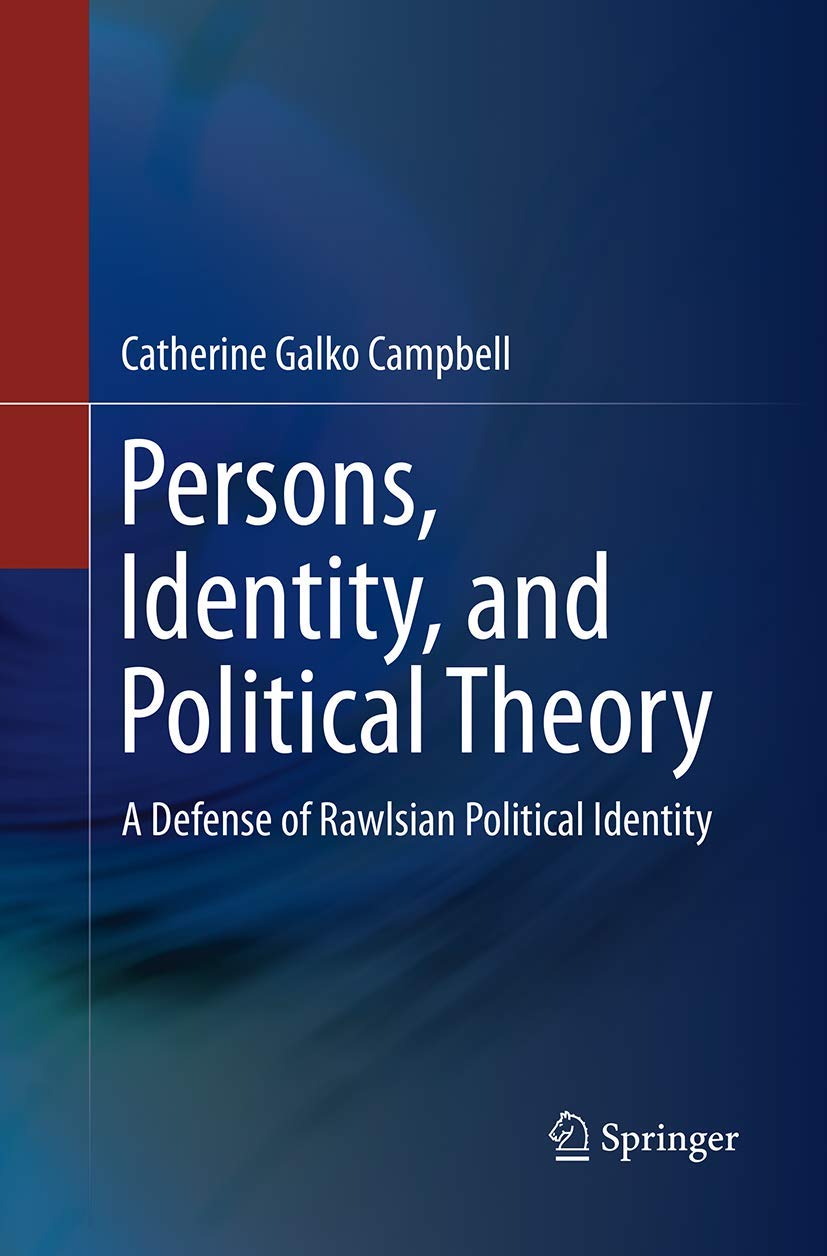
This book examines the conception of the person at work in John Rawlss writings from Theory of Justice to Justice as Fairness: A Restatement. The book aims to show that objections to Rawlss political conception of the person fail and that a Rawlsian conception of political identity is defensible. The book shows that the debate between liberals and communitarians is relevant to the current debate regarding perfectionism and neutrality in politics, and clarifies the debate between Rawls and communitarians in a way that will promote fruitful discussion on the issue of political identity. It does this by providing a clearer account of a conception of personal identity according to which persons are socially constituted, including the intuitions and assumptions underlying the communitarians conception of persons as socially constituted. It examines the communitarian objections to liberal political theory and to the liberal conception of persons, the unencumbered self. The book differentiates between two types of objection to the liberal conception of persons: the metaphysical and normative. It explains Rawls's political conception of persons, and the metaphysical and normative commitments Rawls incursand does not incurin virtue of that conception. It shows that both kind of objection to Rawls's political conception of the person fail. Finally, modifying Rawlss political conception of the person, a Rawlsian conception of political identity is explained and defended.
⚠️ WARNING (California Proposition 65):
This product may contain chemicals known to the State of California to cause cancer,
birth defects, or other reproductive harm.
For MAP (Minimum Advertised Price) violations and Intellectual Property (IP) or Trademark concerns, please contact:
support@ergodebooks.com
⚠️ California Proposition 65 Warning: Some products sold on this website may expose you to chemicals known to the State of California to cause cancer, birth defects, or other reproductive harm. For more information, visit www.P65Warnings.ca.gov.