If you have any questions, you are always welcome to contact us. We'll get back to you as soon as possible, withing 24 hours on weekdays.
Customer service
All questions about your order, return and delivery must be sent to our customer service team by e-mail at yourstore@yourdomain.com
Sale & Press
If you are interested in selling our products, need more information about our brand or wish to make a collaboration, please contact us at press@yourdomain.com
Help
If you have any questions, you are always welcome to contact us. We'll get back to you as soon as possible, withing 24 hours on weekdays.
Customer service
All questions about your order, return and delivery must be sent to our customer service team by e-mail at yourstore@yourdomain.com
Sale & Press
If you are interested in selling our products, need more information about our brand or wish to make a collaboration, please contact us at press@yourdomain.com
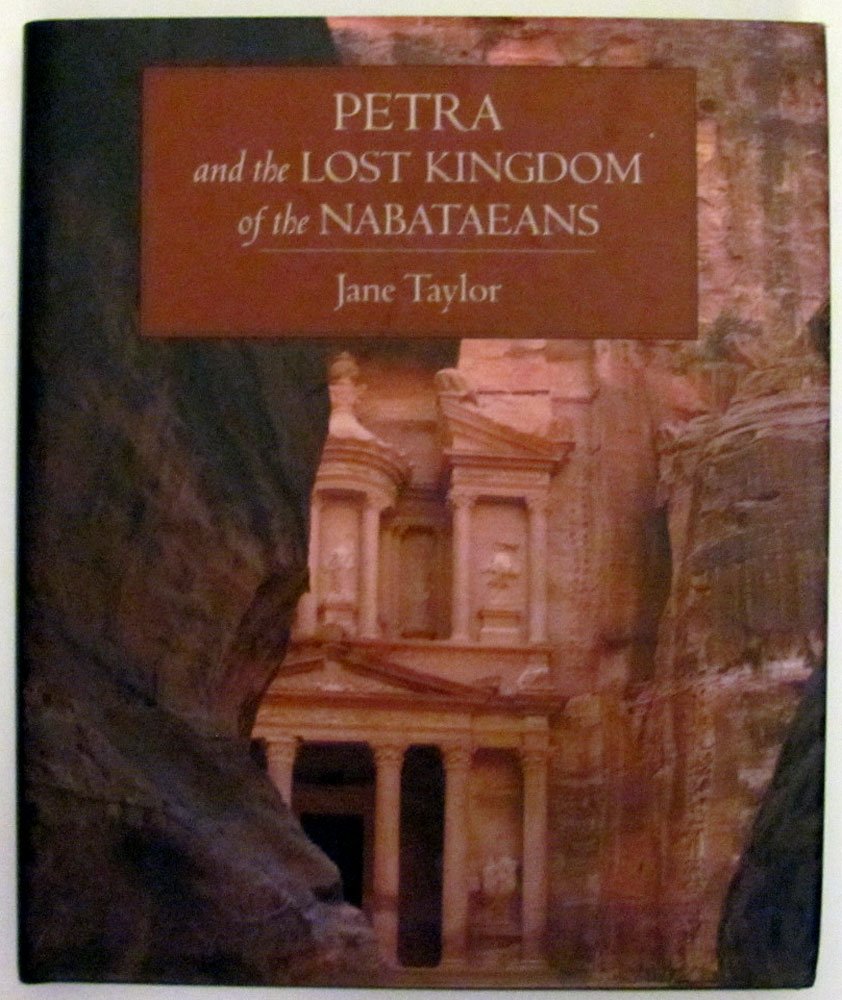
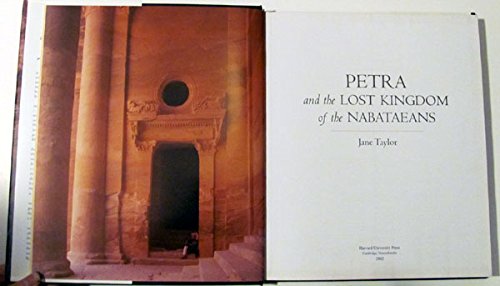
The Nabataean Arabs, one of the most gifted peoples of the ancient world, are today known only for their hauntingly beautiful rockcarved capitalPetra. Here, in the wild and majestic landscapes of southern Jordan, they created some of the most prodigious works of man in the vast monuments that they chiseled from the sandstone mountains. The very scale of their achievement is breathtaking, but beyond mere magnitude is their creative vision, for they transformed the living rock of Petra into an enduring architectural masterpiece.For nearly two thousand years, their civilization has been lost and all but forgotten. Yet the Nabataeans were famous in their dayHerod the Great and his sons, and a kaleidoscope of Roman emperors, were keenly aware of their power and wealth. Often victims of Greek, Roman, or Herodian duplicity, murder, and power politics, the Nabataeans were major players in the drama of the Middle East in biblical times.This richly illustrated volume recounts the story of a remarkable but lost civilization and the capacity of its people to diversify their skills as necessity demanded. It describes their nomadic origins, the development of their multifaceted culture, their relations with their now famous neighbors, and the demise of their kingdom. It looks at their continued, if unrecognized, survival as Christians and farmers under the Byzantine Empire and into the early years of Islam.
⚠️ WARNING (California Proposition 65):
This product may contain chemicals known to the State of California to cause cancer,
birth defects, or other reproductive harm.
For MAP (Minimum Advertised Price) violations and Intellectual Property (IP) or Trademark concerns, please contact:
support@ergodebooks.com
⚠️ California Proposition 65 Warning: Some products sold on this website may expose you to chemicals known to the State of California to cause cancer, birth defects, or other reproductive harm. For more information, visit www.P65Warnings.ca.gov.