
Title
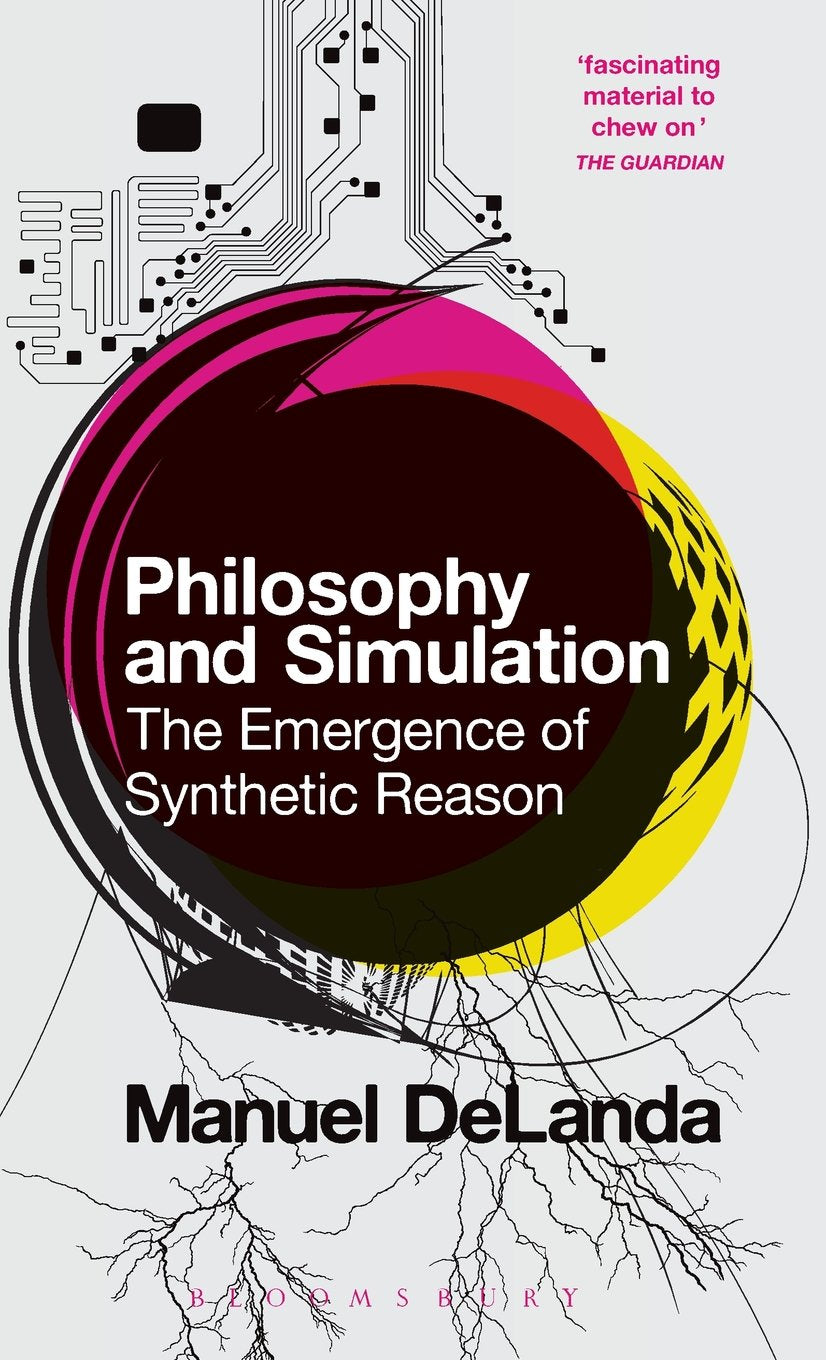
Philosophy and Simulation: The Emergence of Synthetic Reason,Used
Sold by Ergodebooks, an authorized reseller.
Returns accepted within 30 days | support@ergodebooks.com
Shipping Information
- Free Standard Shipping — United States only
- Processing Time: 3–5 business days
- Estimated Delivery: 6–10 business days after dispatch
- Double-boxed, fully insured & discreetly packaged
- Tracking number sent via email once dispatched
Returns & Refund
Returns accepted within 30 days of delivery.
Damaged or Defective Item
Free return shipping + replacement or full refund
Wrong Item Received
Free return shipping + replacement or full refund
Change of Mind
Return shipping at customer's expense · 25% restocking fee applies
Payment Option

In his new book, the internationally renowned Manuel DeLanda provides a remarkably clear philosophical overview of the rapidly growing field of computer simulations.>
⚠️ WARNING (California Proposition 65):
This product may contain chemicals known to the State of California to cause cancer, birth defects, or other reproductive harm.
For more information, please visit www.P65Warnings.ca.gov.
- Q: What is the page count of the book? A: This book has two hundred forty pages. It provides an in-depth exploration of philosophy and computer simulations.
- Q: What are the dimensions of this book? A: The book measures five and a half inches in length, eight and a half inches in height, and is almost one inch thick.
- Q: What type of binding does this book have? A: The book is bound in hardcover. This type of binding is durable and ideal for long-term use.
- Q: Who is the author of this book? A: The author is Manuel DeLanda. He is an internationally renowned philosopher recognized for his work in synthetic reasoning.
- Q: What is the main topic of the book? A: The book covers the emergence of synthetic reasoning in the context of computer simulations. It offers a philosophical overview of this growing field.
- Q: Is this book suitable for beginners in philosophy? A: Yes, the book is suitable for beginners. It provides a clear and accessible overview of complex philosophical concepts.
- Q: How should I read this book for best understanding? A: To get the most from this book, read it slowly and consider taking notes. Engaging with the material will deepen your understanding.
- Q: Is this book appropriate for academic study? A: Yes, it is appropriate for academic study. It serves as a valuable resource in philosophy and computer science courses.
- Q: How should I store this book to keep it in good condition? A: Store the book upright in a cool, dry place. Avoid exposure to direct sunlight to prevent fading and damage.
- Q: Can this book be cleaned if it gets dirty? A: Yes, you can clean the book gently. Use a soft, dry cloth to wipe off any dust or smudges.
- Q: What if the book arrives damaged? A: If the book arrives damaged, you should contact the seller for a return or exchange. Most sellers have policies to handle such issues.
- Q: Is there a warranty for this book? A: No, books typically do not come with a warranty. Check the seller’s return policy for further details.
- Q: What should I do if I have trouble understanding concepts in the book? A: If you have trouble, consider discussing it with peers or looking for supplementary resources. Online forums may also provide helpful insights.
- Q: Does this book include any illustrations or graphs? A: No, this book does not include illustrations or graphs. It focuses on philosophical text rather than visual aids.
- Q: Is this book considered a classic in its field? A: Yes, it is considered significant in the field of philosophy and simulations. It contributes valuable insights into synthetic reasoning.
- Q: What makes this book unique compared to others in philosophy? A: This book is unique for its focus on computer simulations and their philosophical implications. It bridges technology and philosophy in an engaging way.