
Title
Philosophy and the Novel,Used
Sold by Ergodebooks, an authorized reseller.
Returns accepted within 30 days | support@ergodebooks.com
Shipping Information
- Free Standard Shipping — United States only
- Processing Time: 3–5 business days
- Estimated Delivery: 6–10 business days after dispatch
- Double-boxed, fully insured & discreetly packaged
- Tracking number sent via email once dispatched
Returns & Refund
Returns accepted within 30 days of delivery.
Damaged or Defective Item
Free return shipping + replacement or full refund
Wrong Item Received
Free return shipping + replacement or full refund
Change of Mind
Return shipping at customer's expense · 25% restocking fee applies
Payment Option

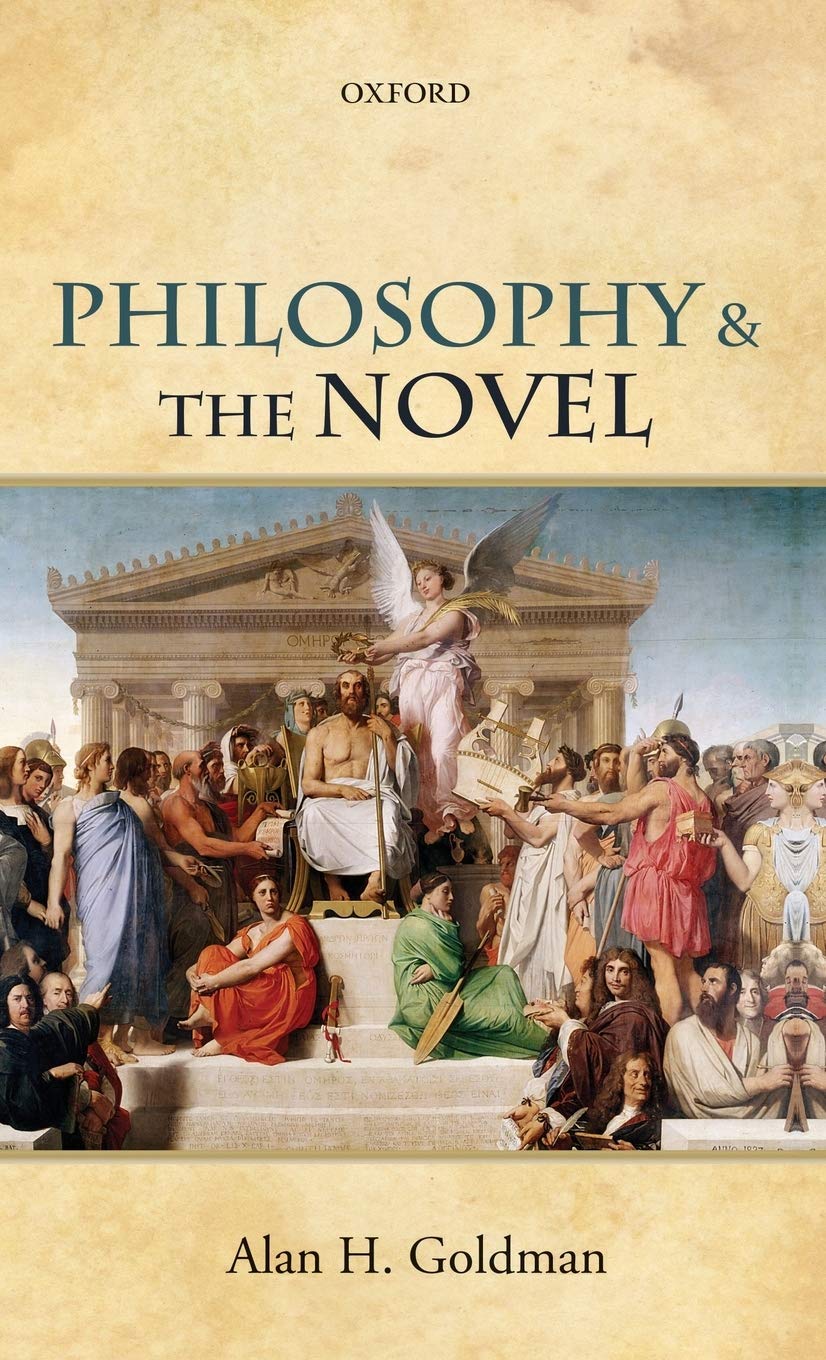
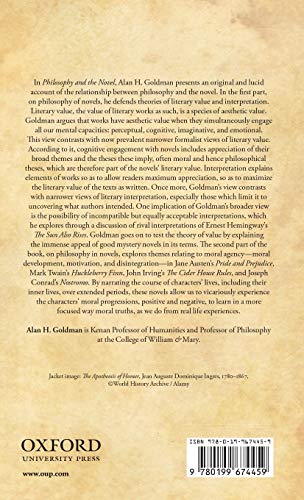
Alan H. Goldman presents an original and lucid account of the relationship between philosophy and the novel. In the first part, on philosophy of novels, he defends theories of literary value and interpretation. Literary value, the value of literary works as such, is a species of aesthetic value. Goldman argues that works have aesthetic value when they simultaneously engage all our mental capacities: perceptual, cognitive, imaginative, and emotional. This view contrasts with now prevalent narrower formalist views of literary value. According to it, cognitive engagement with novels includes appreciation of their broad themes and the theses these imply, often moral and hence philosophical theses, which are therefore part of the novels' literary value. Interpretation explains elements of works so as to allow readers maximum appreciation, so as to maximize the literary value of the texts as written. Once more, Goldman's view contrasts with narrower views of literary interpretation, especially those which limit it to uncovering what authors intended. One implication of Goldman's broader view is the possibility of incompatible but equally acceptable interpretations, which he explores through a discussion of rival interpretations of Ernest Hemingway's The Sun Also Rises. Goldman goes on to test the theory of value by explaining the immense appeal of good mystery novels in its terms. The second part of the book, on philosophy in novels, explores themes relating to moral agencymoral development, motivation, and disintegrationin Jane Austen's Pride and Prejudice, Mark Twain's Huckleberry Finn, John Irving's The Cider House Rules, and Joseph Conrad's Nostromo. By narrating the course of characters' lives, including their inner lives, over extended periods, these novels allow us to vicariously experience the characters' moral progressions, positive and negative, to learn in a more focused way moral truths, as we do from real life experiences.
⚠️ WARNING (California Proposition 65):
This product may contain chemicals known to the State of California to cause cancer, birth defects, or other reproductive harm.
For more information, please visit www.P65Warnings.ca.gov.