If you have any questions, you are always welcome to contact us. We'll get back to you as soon as possible, withing 24 hours on weekdays.
Customer service
All questions about your order, return and delivery must be sent to our customer service team by e-mail at yourstore@yourdomain.com
Sale & Press
If you are interested in selling our products, need more information about our brand or wish to make a collaboration, please contact us at press@yourdomain.com
Help
If you have any questions, you are always welcome to contact us. We'll get back to you as soon as possible, withing 24 hours on weekdays.
Customer service
All questions about your order, return and delivery must be sent to our customer service team by e-mail at yourstore@yourdomain.com
Sale & Press
If you are interested in selling our products, need more information about our brand or wish to make a collaboration, please contact us at press@yourdomain.com
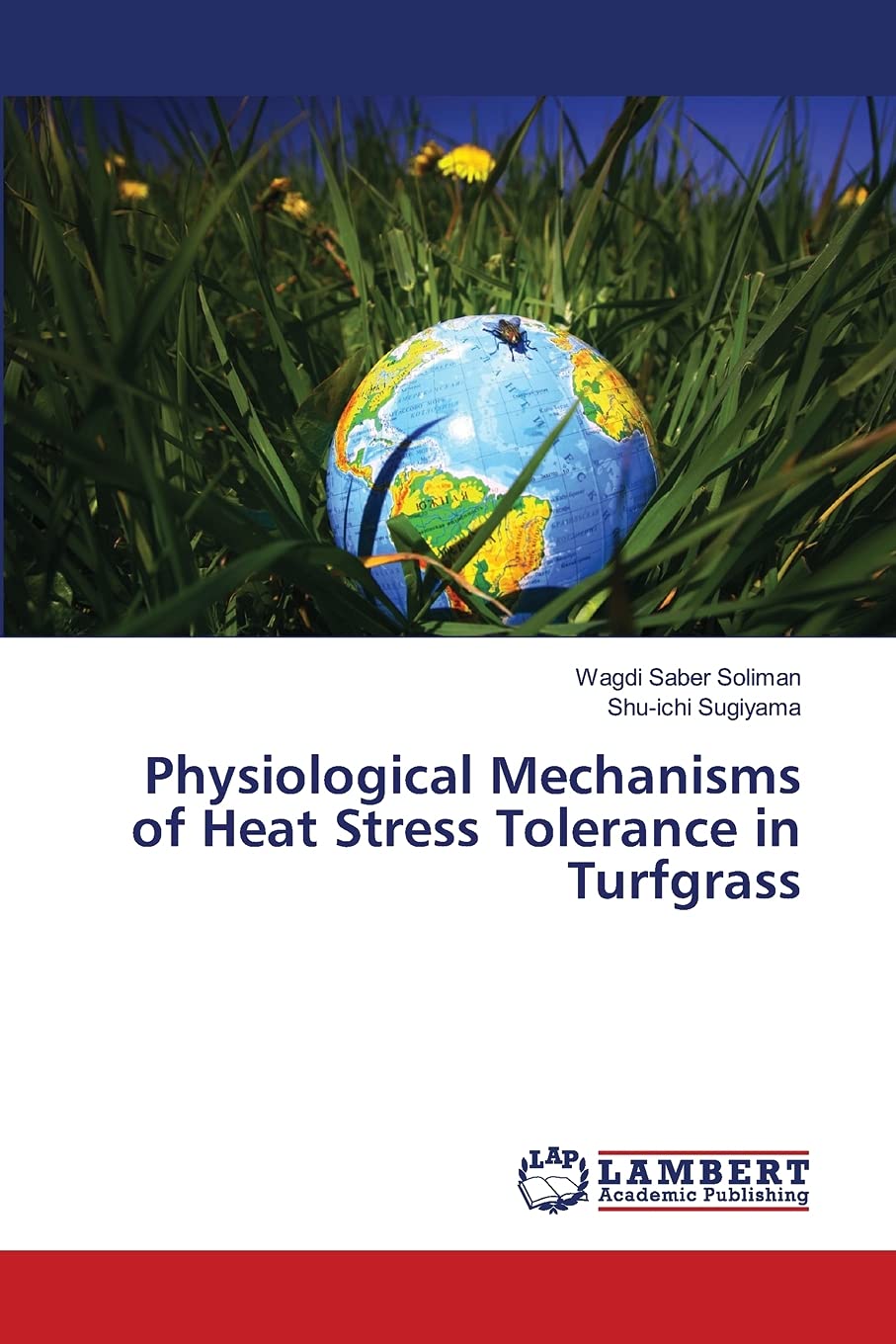
Improving tolerance to heat stress is a major challenge in many crops, especially C3 crops, given the threat of recent global warming. While significant achievements have been made on understanding the molecular and physiological mechanisms to shortterm exposure to high temperature, the physiological mechanisms of summer tolerance in fields, which are characterized by prolonged exposure to high temperature stress, are not still well understood. In this study, six experiments were conducted to clarify the physiological mechanisms of tolerance to high temperature stress by comparing between genotypes, populations and different species including C3 and C4 photosynthetic types. Overall, although the complexity of heat tolerance was revealed by the involvement of various mechanisms such as suppression of ROS, scavenging of toxic ROS, and leaf functions, this study definitively showed that the oxidative stress resulting from the excessive production of ROS is the main cause of damages under heat stress.
⚠️ WARNING (California Proposition 65):
This product may contain chemicals known to the State of California to cause cancer,
birth defects, or other reproductive harm.
For MAP (Minimum Advertised Price) violations and Intellectual Property (IP) or Trademark concerns, please contact:
support@ergodebooks.com
⚠️ California Proposition 65 Warning: Some products sold on this website may expose you to chemicals known to the State of California to cause cancer, birth defects, or other reproductive harm. For more information, visit www.P65Warnings.ca.gov.