If you have any questions, you are always welcome to contact us. We'll get back to you as soon as possible, withing 24 hours on weekdays.
Customer service
All questions about your order, return and delivery must be sent to our customer service team by e-mail at yourstore@yourdomain.com
Sale & Press
If you are interested in selling our products, need more information about our brand or wish to make a collaboration, please contact us at press@yourdomain.com
Help
If you have any questions, you are always welcome to contact us. We'll get back to you as soon as possible, withing 24 hours on weekdays.
Customer service
All questions about your order, return and delivery must be sent to our customer service team by e-mail at yourstore@yourdomain.com
Sale & Press
If you are interested in selling our products, need more information about our brand or wish to make a collaboration, please contact us at press@yourdomain.com
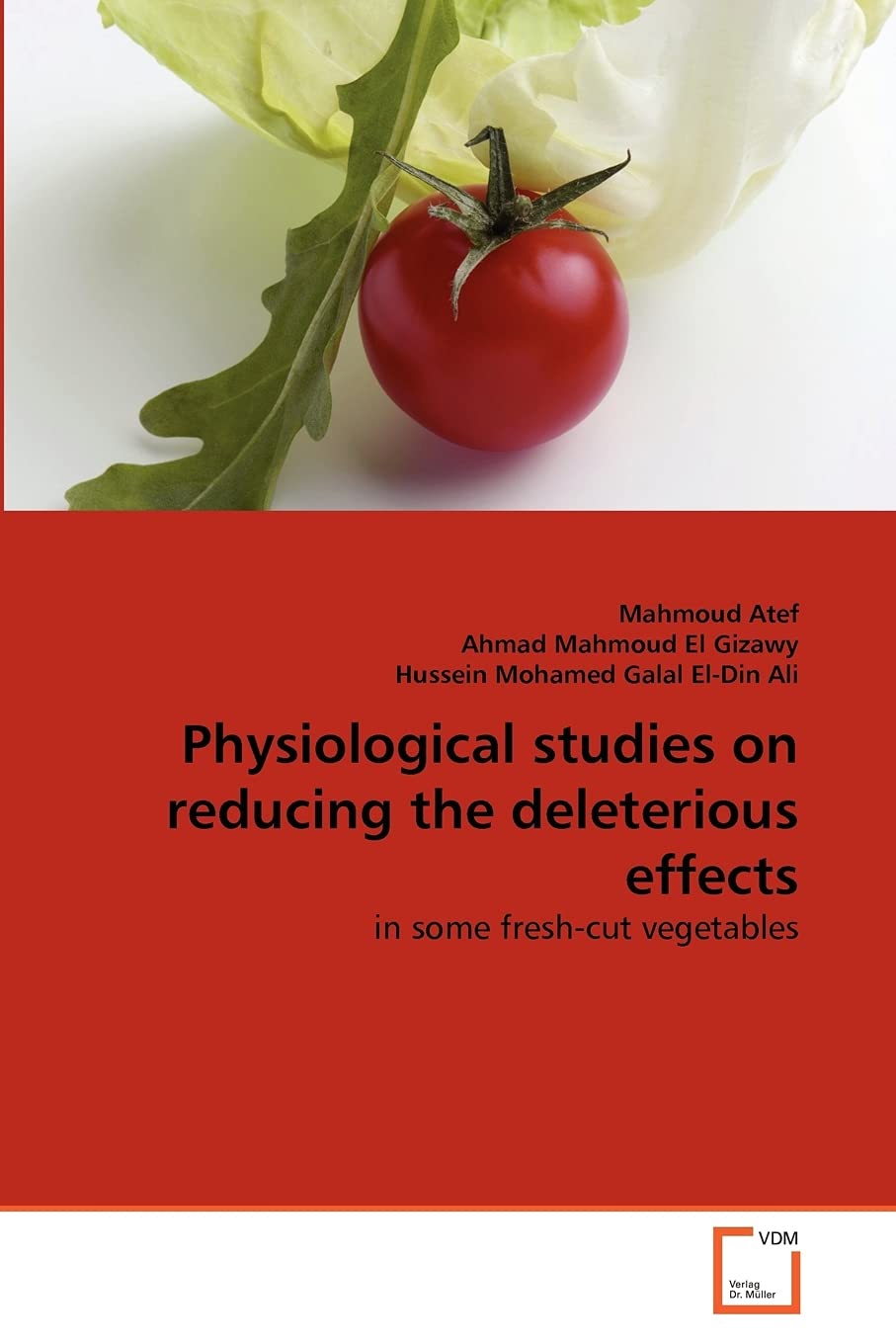
The effect of various compounds, (i.e., reducing agents (ascorbic, sodium sulfite, bisulfite and thiosulphate), thiol (Lcysteine), and organic acids (glycine, aspartic, glutamic, oxalic, succinic, phthalic, tartaric, citric, adipic, fumaric, and benzoic) on the browning process and polyphenol oxidase activity of freshcut of butterhead lettuce and two potato cultivars (Spunta and Desiree) were evaluated. Results indicated that slices slightly elevated enzyme activity and browning index (BI) in both cultivars more than those of sticks. Mechanistic study indicated that ascorbic acid reduced the quinone, resulted from PPO activity, back to the starting colorless catechol, where the quinone peak in the UV spectrum (435 nm) vanished completely upon addition of ascorbic acids. Cysteine did not reduce the formed quinone, but rather formed a cysteinequinone adduct as a new peak appeared at the expenses of the quinone peak. Regarding the organic and amino acids, they worked as PPO inhibitor either as acidulants or metal chelators. Applications showed that compounds reacted with the resulted quinone were more efficient antibrowning agents than PPO inhibitors.
⚠️ WARNING (California Proposition 65):
This product may contain chemicals known to the State of California to cause cancer,
birth defects, or other reproductive harm.
For MAP (Minimum Advertised Price) violations and Intellectual Property (IP) or Trademark concerns, please contact:
support@ergodebooks.com
⚠️ California Proposition 65 Warning: Some products sold on this website may expose you to chemicals known to the State of California to cause cancer, birth defects, or other reproductive harm. For more information, visit www.P65Warnings.ca.gov.