If you have any questions, you are always welcome to contact us. We'll get back to you as soon as possible, withing 24 hours on weekdays.
Customer service
All questions about your order, return and delivery must be sent to our customer service team by e-mail at yourstore@yourdomain.com
Sale & Press
If you are interested in selling our products, need more information about our brand or wish to make a collaboration, please contact us at press@yourdomain.com
Help
If you have any questions, you are always welcome to contact us. We'll get back to you as soon as possible, withing 24 hours on weekdays.
Customer service
All questions about your order, return and delivery must be sent to our customer service team by e-mail at yourstore@yourdomain.com
Sale & Press
If you are interested in selling our products, need more information about our brand or wish to make a collaboration, please contact us at press@yourdomain.com
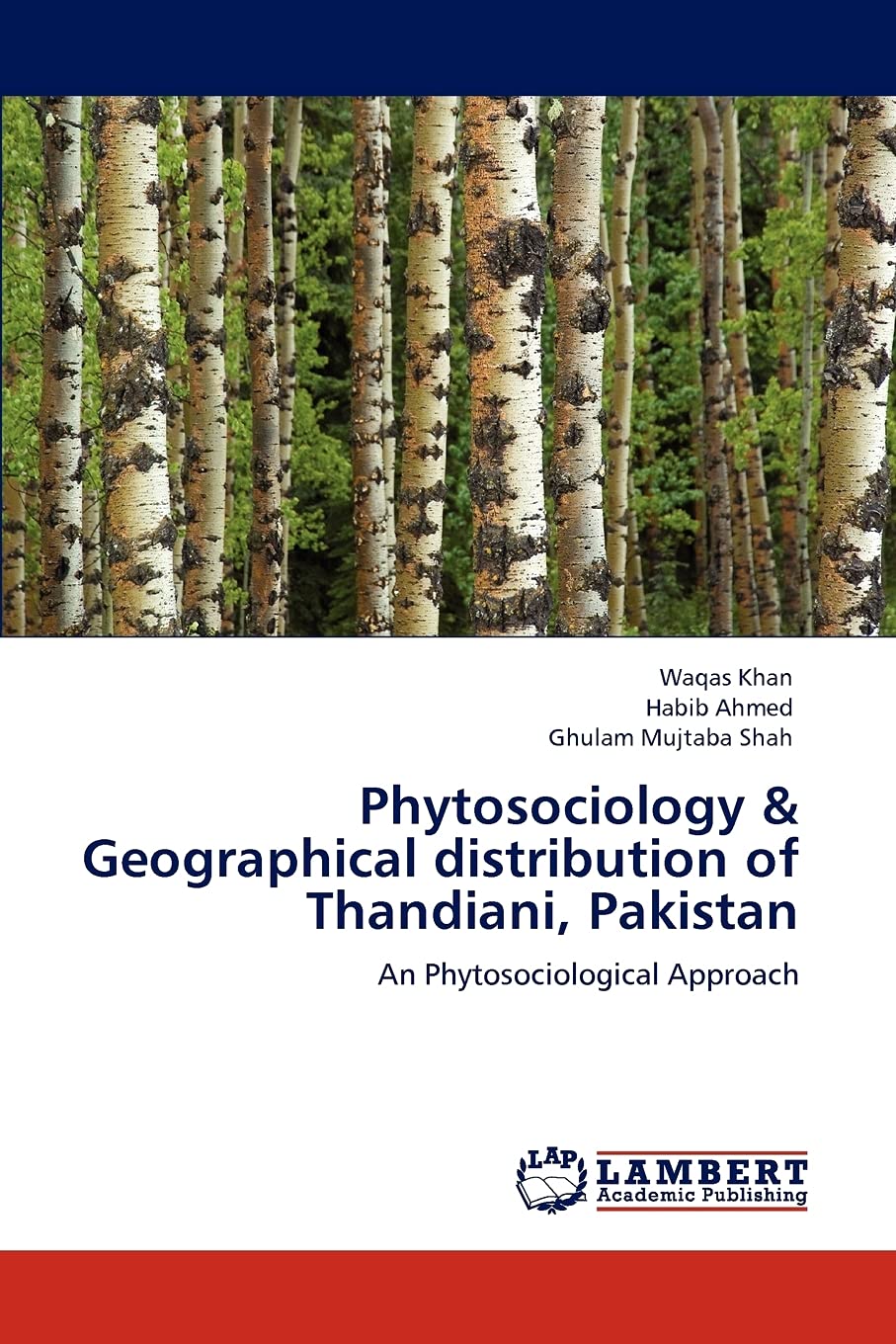
Thandiani Forest represents one of the best moist temperate forests of northern Pakistan. The Forest is situated in the Gallies Forest Division of Hazara Forest Circle and can be traced in between 3329 to 3421 N and 7255 to 7329 E. The area has preserved typical features SinoJapanese Region with relatively intact natural flora and geomorphological characteristics. The Forest is located on the range of hills running south to eastern proximity of Abbottabad city towards River Kunhar in the north. The altitudinal range of area is 1191meter to 2626 meters. Highest peaks of the Forest are known as Sikher and Sattu peaks.. Fifteen plant communities recognized during this studySoil profile of the area shows that it was loamy clay with pH ranging from 6.5 to 8.75. It was recorded that variation in altitude and soil composition play significant role in establishing plant communities. Soil erosion, human disturbance, livestock herding, overgrazing, trampling and uprooting of medicinal plants disturb the plant communities. As regard usage; 90 plants species were used for various purposes like fuel wood, medicinal, timber, fodders
⚠️ WARNING (California Proposition 65):
This product may contain chemicals known to the State of California to cause cancer,
birth defects, or other reproductive harm.
For MAP (Minimum Advertised Price) violations and Intellectual Property (IP) or Trademark concerns, please contact:
support@ergodebooks.com
⚠️ California Proposition 65 Warning: Some products sold on this website may expose you to chemicals known to the State of California to cause cancer, birth defects, or other reproductive harm. For more information, visit www.P65Warnings.ca.gov.