
Title
Pictorial Invention in Netherlandish Manuscript Illumination of the Late Middle Ages: The Play of Illusion and Meaning (Low Coun,New
Sold by Ergodebooks, an authorized reseller.
Returns accepted within 30 days | support@ergodebooks.com
Shipping Information
- Free Standard Shipping — United States only
- Processing Time: 3–5 business days
- Estimated Delivery: 6–10 business days after dispatch
- Double-boxed, fully insured & discreetly packaged
- Tracking number sent via email once dispatched
Returns & Refund
Returns accepted within 30 days of delivery.
Damaged or Defective Item
Free return shipping + replacement or full refund
Wrong Item Received
Free return shipping + replacement or full refund
Change of Mind
Return shipping at customer's expense · 25% restocking fee applies
Payment Option

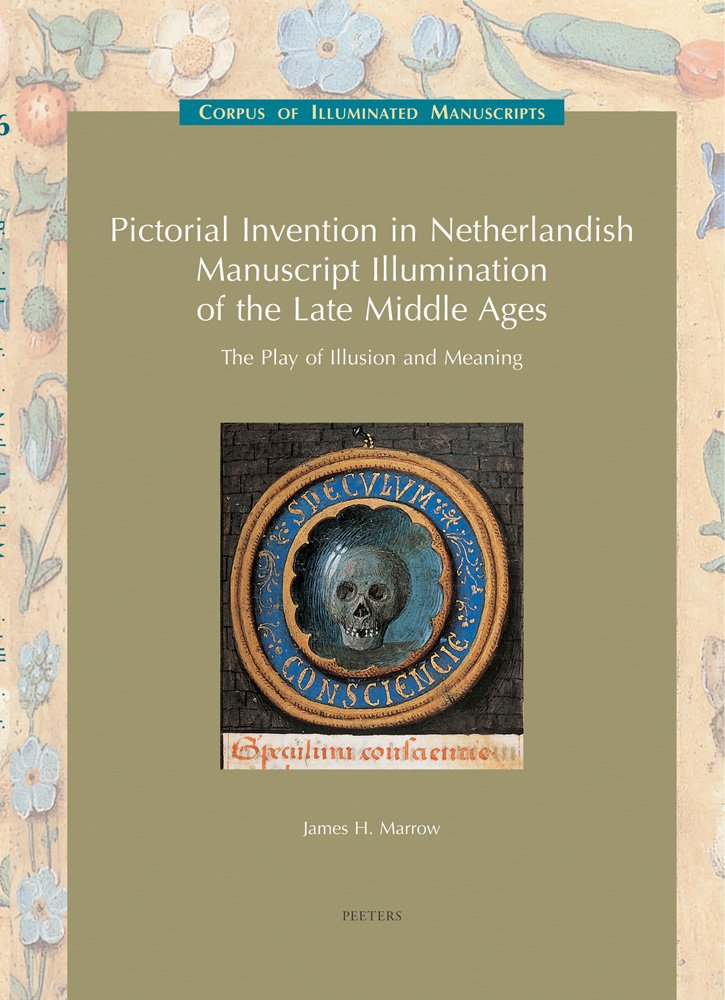
Handpainted books produced in the Low Countries during the late Middle Ages are dazzingly inventive, widely admired both in their own time and today. The makers of Flemish illuminated manuscripts experimented, sometimes flamboyantly, with all aspects of their design, manipulating elements of their format, layout, script, decoration and illustration in radically new and challenging ways. In this book, James H. Marrow discusses prominent features of many of the most exuberant illuminated manuscripts created by leading Flemish illuminators of the 15th and the 16th centuries, considering both the playful ways in which the makers of these books reconfigured their design and the ways they exploited these innovations to define and convey the meaning of their contents more effectively. Marrow considers how the designers of these manuscripts broke down the barriers between the different components of the book; how the shapes of some manuscripts became a kind of image; how script sometimes became decoration or one of several illusionistically treated elements or fields on the page; and how decoration and illustration were intermixed in diverse, witty, and provocative fashions. In this final stage in the evolution of the medieval book, leading Flemish illuminators fundamentally changed the structural dynamics of the page, enlarging its fields of visual and pictorial interest and exploiting novel juxtapositions of subject matter and scale, of viewpoint and different kinds of illusionism, to guide viewers beyond the hereandnow, to evoke multiple and alternative levels of truth, and to effect profound transformations of understanding. This is an incisive study of the course of these developments in the Low Countries and of some of the important ways in which they engaged issues central to the function of the visual arts.
⚠️ WARNING (California Proposition 65):
This product may contain chemicals known to the State of California to cause cancer, birth defects, or other reproductive harm.
For more information, please visit www.P65Warnings.ca.gov.