
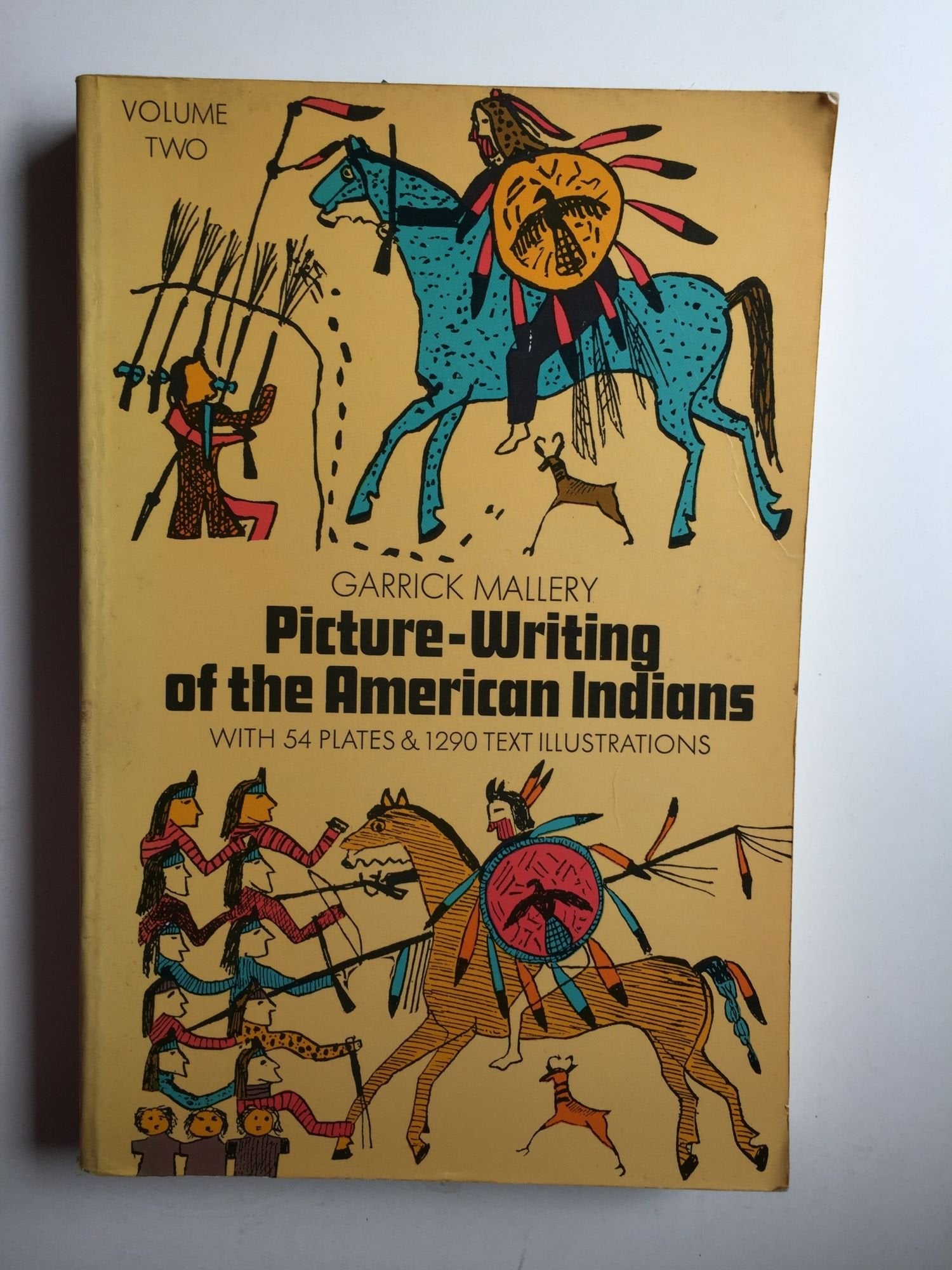
Title
Picture Writing of the American Indians, Vol. 2 (Volume 2) (Native American),New
Sold by Ergodebooks, an authorized reseller.
Returns accepted within 30 days | support@ergodebooks.com
Shipping Information
- Free Standard Shipping — United States only
- Processing Time: 3–5 business days
- Estimated Delivery: 6–10 business days after dispatch
- Double-boxed, fully insured & discreetly packaged
- Tracking number sent via email once dispatched
Returns & Refund
Returns accepted within 30 days of delivery.
Damaged or Defective Item
Free return shipping + replacement or full refund
Wrong Item Received
Free return shipping + replacement or full refund
Change of Mind
Return shipping at customer's expense · 25% restocking fee applies
Payment Option

Of the early reports of the Bureau of Ethnology of the Smithsonian Institution, one of the most significant is Col. Garrick Mallery's report on the picturewriting of the American Indians. Except for a special section on petroglyphs (rockwriting), most of the examples are roughly contemporary with the writing of the report and were gathered by ethnologists, explorers, and expeditions to reservations. As such, the emphasis is on the meaning of the pictures, and the differences between the styles of picturewriting of the various tribes.Included are nearly 1,300 pictures and 54 plates illustrating the material which Col. Mallery narrates. Examples include: knotted cords, notched or marked sticks and wampum; mnemonic pictures for remembering songs, traditions, treaties, and accounts; the calendars (winter counts) of LoneDog and Battiste Good; maps, notices of visits, condition and warning; tribal designations, clan designations, tattoo marks (especially from the Haida); designations of authority, property, and personal names; religious symbols of the supernatural and of mythic animals; symbols used on charms and amulets, in religious ceremonies and in the burial of the dead; pictographs of cult associations, of daily events, and of games; historic records such as the Indian account of the Battle of Little Big Horn; records of migrations, hunts, and notable events; biographic records; significance of colors; picturewriting as it became conventionalized; and much more. There are also sections on interpretation of pictographs and on the detection of frauds, and comparative material from other cultures.For anthropologists, sociologists, historians, or artists, Col. Mallery's account is still the basic study of North American Indian picturewriting, Its wealth of pictorial material is not to be found anywhere else. And since most of the material was collected by contemporaries while picturing was still an important method of communication, the ethnologists were often assisted by the Indians themselves in decoding the pictographs and discovering the wealth of information that was conveyed by them.
⚠️ WARNING (California Proposition 65):
This product may contain chemicals known to the State of California to cause cancer, birth defects, or other reproductive harm.
For more information, please visit www.P65Warnings.ca.gov.