
Title
Picturing Imperial Power: Colonial Subjects In Eighteenthcentury British Painting
Sold by Ergodebooks, an authorized reseller.
Returns accepted within 30 days | support@ergodebooks.com
Shipping Information
- Free Standard Shipping — United States only
- Processing Time: 3–5 business days
- Estimated Delivery: 6–10 business days after dispatch
- Double-boxed, fully insured & discreetly packaged
- Tracking number sent via email once dispatched
Returns & Refund
Returns accepted within 30 days of delivery.
Damaged or Defective Item
Free return shipping + replacement or full refund
Wrong Item Received
Free return shipping + replacement or full refund
Change of Mind
Return shipping at customer's expense · 25% restocking fee applies
Payment Option

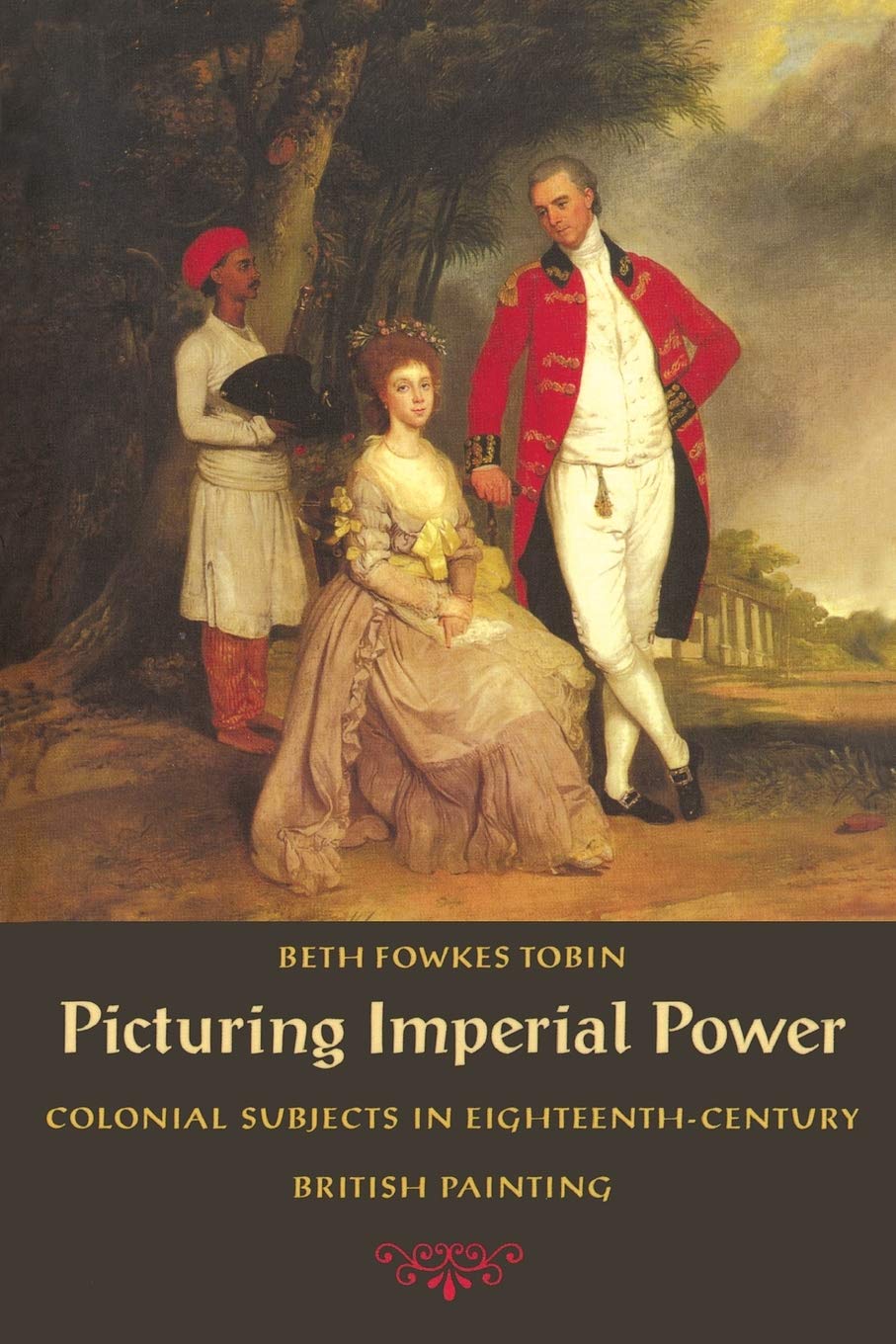
This Study Of Colonialism And Art Examines The Intersection Of Visual Culture And Political Power In Lateeighteenthcentury British Painting. Focusing On Paintings From British America, The West Indies, And India, Beth Fowkes Tobin Investigates The Role Of Art In Creating And Maintaining Imperial Ideologies And Practicesas Well As In Resisting And Complicating Them.Informed By The Varied Perspectives Of Postcolonial Theory, Tobin Explores Through Close Readings Of Colonial Artwork The Dynamic Middle Ground In Which Cultures Meet. Linking Specific Colonial Sites With Larger Patterns Of Imperial Practice And Policy, She Examines Paintings By William Hogarth, Benjamin West, Gilbert Stuart, Arthur William Devis, And Agostino Brunias, Among Others. These Works Include Portraits Of Colonial Officials, Conversation Pieces Of British Families And Their Servants, Portraits Of Native Americans And Angloindians, And Botanical Illustrations Produced By Calcutta Artists For Officials Of The British Botanic Gardens. In Addition To Examining The Strategies That Colonizers Employed To Dominate And Define Their Subjects, Tobin Uncovers The Tactics Of Negotiation, Accommodation, And Resistance That Make Up The Colonizeds Response To Imperial Authority. By Focusing On The Paintings Cultural And Political Engagement With Imperialism, She Accounts For Their Ideological Power And Visual Effect While Arguing For Their Significance As Agents In The Colonial Project.Pointing To The Complexity, Variety, And Contradiction Within Colonial Art, Picturing Imperial Power Contributes To An Understanding Of Colonialism As A Collection Of Social, Economic, Political, And Epistemological Practices That Were Not Monolithic And Inevitable, But Contradictory And Contingent On Various Historical Forces. It Will Interest Students And Scholars Of Colonialism, Imperial History, Postcolonial History, Art History And Theory, And Cultural Studies.
⚠️ WARNING (California Proposition 65):
This product may contain chemicals known to the State of California to cause cancer, birth defects, or other reproductive harm.
For more information, please visit www.P65Warnings.ca.gov.
- Q: How many pages does the book have? A: The book has three hundred twenty pages. This length provides a comprehensive exploration of colonialism and art in British painting.
- Q: What is the binding type of this book? A: The book is paperback bound. This makes it more flexible and lightweight, ideal for casual reading.
- Q: Who is the author of this book? A: The author is Beth Fowkes Tobin. She is known for her work in art history and colonial studies.
- Q: What themes does this book cover? A: The book covers themes of colonialism, imperial power, and visual culture. It examines the intersection of art and political ideologies.
- Q: Is this book suitable for students? A: Yes, this book is suitable for students and scholars. It provides in-depth analysis relevant to art history and postcolonial studies.
- Q: What types of illustrations are in the book? A: The book includes forty-two black-and-white illustrations. These images enhance the understanding of colonial art discussed in the text.
- Q: How does the book explore the topic of colonialism? A: The book examines colonialism through close readings of art. It analyzes how visual culture reflects and shapes imperial ideologies.
- Q: Is there a specific focus on certain artists? A: Yes, the book focuses on artists like William Hogarth and Benjamin West. Their works are analyzed in the context of colonial practices.
- Q: Can this book help in understanding postcolonial history? A: Yes, it provides insights into postcolonial history. The author links art to broader social and political patterns.
- Q: How should I care for this book? A: To care for the book, keep it in a dry place and avoid direct sunlight. This will help preserve its condition over time.
- Q: Is this book a good resource for art history courses? A: Yes, it is an excellent resource for art history courses. It combines historical analysis with visual critique.
- Q: What kind of reading level is required for this book? A: The book is suitable for advanced readers, particularly those studying art or cultural history. It contains academic language and analysis.
- Q: Does the book discuss resistance to colonial authority? A: Yes, it discusses tactics of negotiation and resistance. It explores how colonized subjects responded to imperial power.
- Q: Is there a glossary or index in the book? A: Yes, the book includes an index. This helps readers locate specific topics and artists discussed in the text.
- Q: Can I return the book if I'm not satisfied? A: Yes, you can return the book if you are not satisfied. Check the return policy for specifics on conditions and time frames.