If you have any questions, you are always welcome to contact us. We'll get back to you as soon as possible, withing 24 hours on weekdays.
Customer service
All questions about your order, return and delivery must be sent to our customer service team by e-mail at yourstore@yourdomain.com
Sale & Press
If you are interested in selling our products, need more information about our brand or wish to make a collaboration, please contact us at press@yourdomain.com
Help
If you have any questions, you are always welcome to contact us. We'll get back to you as soon as possible, withing 24 hours on weekdays.
Customer service
All questions about your order, return and delivery must be sent to our customer service team by e-mail at yourstore@yourdomain.com
Sale & Press
If you are interested in selling our products, need more information about our brand or wish to make a collaboration, please contact us at press@yourdomain.com
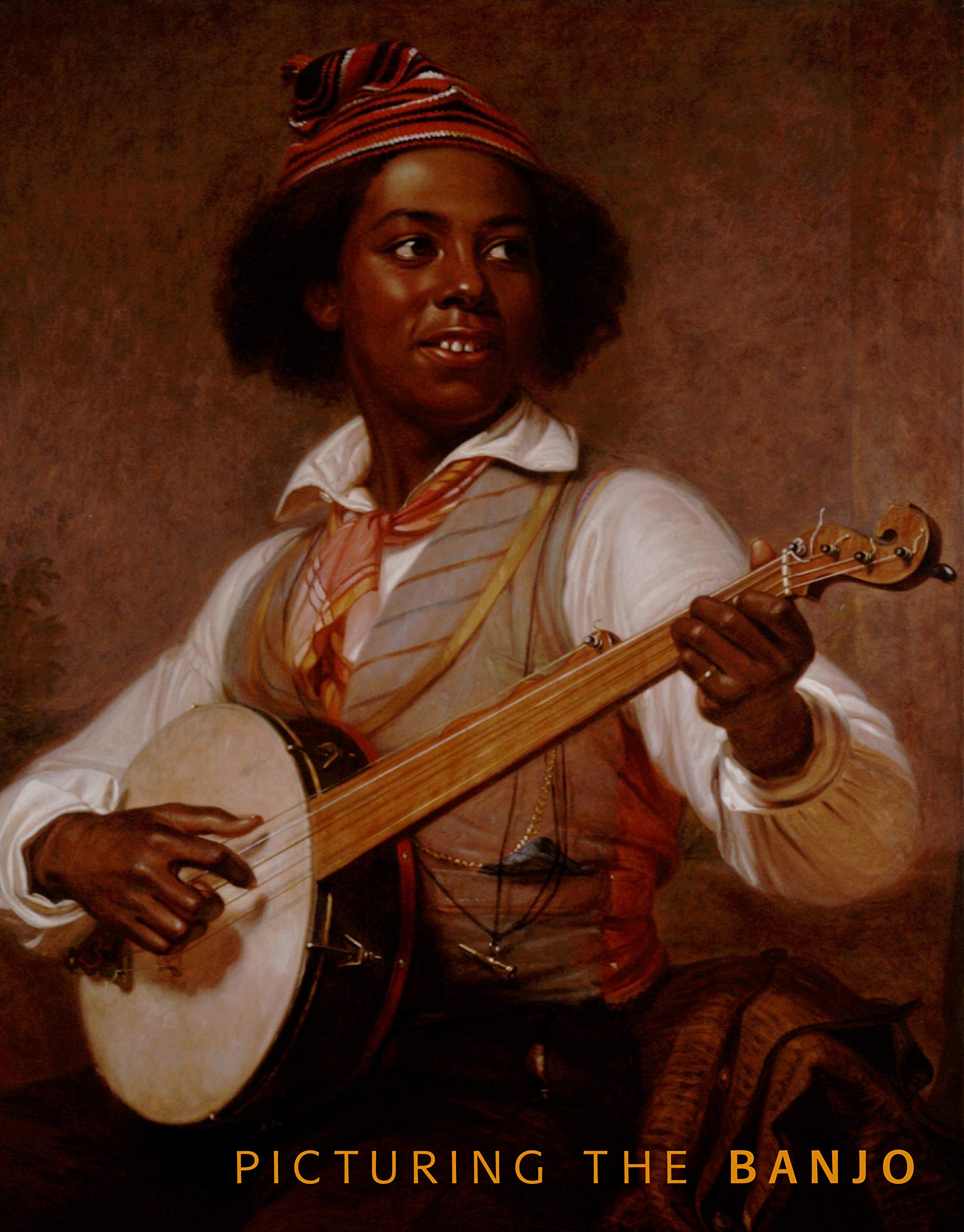
The history of the banjo is as haunting as its music. Made popular in minstrel shows of the nineteenth century, the banjar derives from the stringed gourd instrument African slaves brought with them to plantations in the Caribbean and American South. From minstrelsy to the folk music revival of the twentieth century, the banjo has continued to attract audiences and acquire meaning. Picturing the Banjo gives this long history an entirely new dimension by tracing the instruments representation in American visual culture from the eighteenth century to the present. Published in conjunction with an exhibition of the same name, Picturing the Banjo offers the first examination of the instruments portrayal in images that range from anonymous photographs of performers to paintings by Thomas Eakins and prints by Dox Thrash. Leo G. Mazow, contributing editor of the volume, and his collaborators demonstrate that the banjo became an American icon that links popular music to fundamental issues of race, class, and gender. Simple and appealing as the instrument may seem in Henry Ossawa Tanners The Banjo Lesson or Eastman Johnsons Old Kentucky Home, it carries powerful associations with social conflict and change. Through its many color and blackandwhite illustrations, this book allows readers to experience the works of visual art and period instruments brought together in the pioneering exhibition organized by the Palmer Museum of Art of The Pennsylvania State University. Picturing the Banjo will be of interest to banjo lovers, scholars in American studies, and all those concerned with the musical and artistic heritage of slavery.
⚠️ WARNING (California Proposition 65):
This product may contain chemicals known to the State of California to cause cancer,
birth defects, or other reproductive harm.
For MAP (Minimum Advertised Price) violations and Intellectual Property (IP) or Trademark concerns, please contact:
support@ergodebooks.com
⚠️ California Proposition 65 Warning: Some products sold on this website may expose you to chemicals known to the State of California to cause cancer, birth defects, or other reproductive harm. For more information, visit www.P65Warnings.ca.gov.