
Title
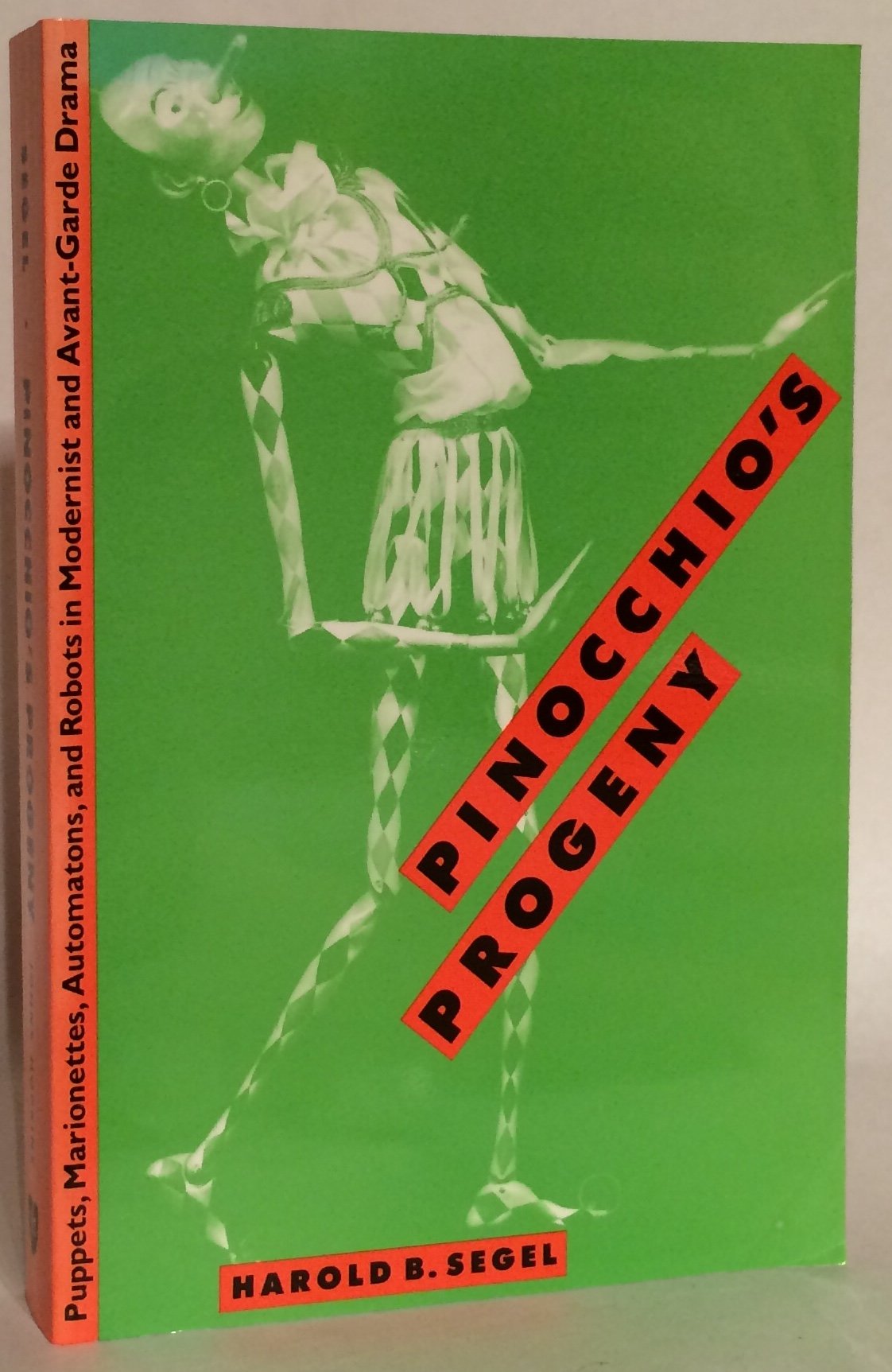
Pinocchio's Progeny: Puppets, Marionettes, Automatons, and Robots in Modernist and AvantGarde Drama (PAJ Books),New
Sold by Ergodebooks, an authorized reseller.
Returns accepted within 30 days | support@ergodebooks.com
Shipping Information
- Free Standard Shipping — United States only
- Processing Time: 3–5 business days
- Estimated Delivery: 6–10 business days after dispatch
- Double-boxed, fully insured & discreetly packaged
- Tracking number sent via email once dispatched
Returns & Refund
Returns accepted within 30 days of delivery.
Damaged or Defective Item
Free return shipping + replacement or full refund
Wrong Item Received
Free return shipping + replacement or full refund
Change of Mind
Return shipping at customer's expense · 25% restocking fee applies
Payment Option

While Carlo Collodi's internationally revered Pinocchio may not have been the single source of the modernist fascination with puppets and marionettes, the book's appearance on the threshold of the modernist movement heralded a new artistic interest in the making of human likenesses. And the puppets, marionettes, and other forms that figure so vividly and provocatively in modernist and avantgarde drama can, according to Harold Segel, be regarded as Pinocchio's progeny.Segel argues that the philosophical, social, and artistic proclivities of the modernist movement converged in the discovery of an exciting new relevance in the puppet and marionette. Previously viewed as entertainment for children and fairground audiences, puppets emerged as an integral component of the modernist vision. They became metaphors for human helplessness in the face of powerful forcesfrom Eros and the supernatural to history, industrial society, and national myth. Dramatists used them to satirize the tyranny of bourgeois custom and convention, to deflate the arrogance of the powerful, and to breathe new life into a theater that had become traditionbound and commercialized.Pinocchio's Progeny offers a broad overview of the uses of these figures in European drama from 1890 to 1935. It considers developments in France, Spain, Italy, Austria, Germany, Sweden, Russia, Poland and Czechoslovakia. In his introduction, Segel reviews the premodernist literary and dramatic treatment of the puppet and marionette from Cervantes' Don Quixote to the turnofthe century European cabaret. His epilogue considers the appearance of puppets and marionettes in postmodern European and American drama by examining works by such dramatists as JeanClaude Van Itallie, Heiner Mller, and Tadeusz Kantor.
⚠️ WARNING (California Proposition 65):
This product may contain chemicals known to the State of California to cause cancer, birth defects, or other reproductive harm.
For more information, please visit www.P65Warnings.ca.gov.