
Title


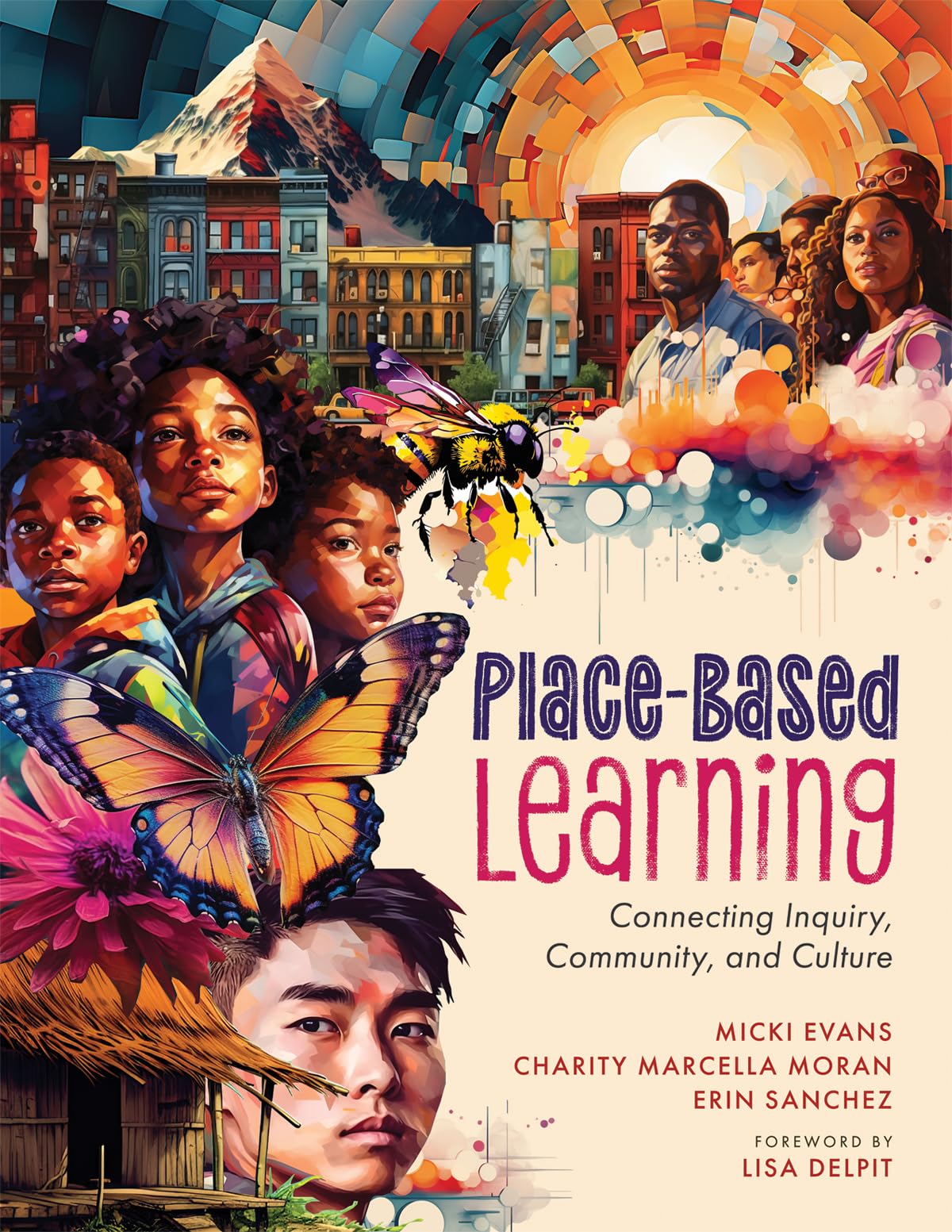
PlaceBased Learning: Connecting Inquiry, Community, and Culture (Seven placebased learning design principles to promote equity,Used
Sold by Ergodebooks, an authorized reseller.
Returns accepted within 30 days | support@ergodebooks.com
Shipping Information
- Free Standard Shipping — United States only
- Processing Time: 3–5 business days
- Estimated Delivery: 6–10 business days after dispatch
- Double-boxed, fully insured & discreetly packaged
- Tracking number sent via email once dispatched
Returns & Refund
Returns accepted within 30 days of delivery.
Damaged or Defective Item
Free return shipping + replacement or full refund
Wrong Item Received
Free return shipping + replacement or full refund
Change of Mind
Return shipping at customer's expense · 25% restocking fee applies
Payment Option

Understand the impact a sense of place has on education, culture, and community. The authors share seven placebased learning design principles to help educators implement projects smoothly, from start to finish. With their projectplanning tools and community asset map, teachers, school coaches, and leaders will be equipped to empower students and promote equity for all.Grades 412 teachers, instructional designers and school leaders will: Learn the seven placebased learning design principles and apply them Understand what role maps and countermapping have in establishing a sense of place and how to map communitys assets Build meaningful community partnerships with students using collaborative projects Empower students to confront inequitable societal structures Reflect on key takeaways and consider chapterending questions to further their placebased learning practiceContents:Foreword by Lisa DelpitIntroductionPart One: Understand PlaceBased Learning Design PrinciplesChapter 1: Elevate Ways of KnowingChapter 2: Facilitate PurposeDriven InquiryChapter 3: Build Authentic Community PartnershipsChapter 4: Empower Student OwnershipChapter 5: Engage in Feedback, Revision, and ReflectionChapter 6: Create an Authentic Community ProductChapter 7: Embed Culture in Teaching and LearningPart Two: Designing PlaceBased JourneysChapter 8: Liberate Teaching Practices and Decolonize CurriculaChapter 9: Unpack Biases and Assumptions and Uncover Community AssetsChapter 10: Pathways to Liberatory and Decolonized Assessment PracticesChapter 11: Plan PlaceBased Learning ProjectsPart 3: Supporting and Sustaining PBL Implementation With an Equity LensChapter 12: Sustain PlaceBased Learning Through the Practitioners RoundChapter 13: Dismantle the Barriers to PlaceBased LearningChapter 14: Monitor and Assess the Efficacy of PlaceBased Learning and Build CapacityEpilogueAppendixReferences and ResourcesIndex
⚠️ WARNING (California Proposition 65):
This product may contain chemicals known to the State of California to cause cancer, birth defects, or other reproductive harm.
For more information, please visit www.P65Warnings.ca.gov.
- Q: How many pages is the book 'Place-Based Learning'? A: The book has three hundred twelve pages. It provides extensive insights into place-based learning principles.
- Q: What binding type does 'Place-Based Learning' have? A: This book features a perfect paperback binding. This makes it durable and suitable for classroom use.
- Q: Who is the author of 'Place-Based Learning'? A: The author is Micki Evans. She is known for her work in education and community engagement.
- Q: What grades is 'Place-Based Learning' suitable for? A: It is designed for grades four through twelve. This makes it ideal for educators working with middle and high school students.
- Q: How can educators use the principles in 'Place-Based Learning'? A: Educators can implement community projects using the principles. The book provides tools and guidance for practical application.
- Q: Is 'Place-Based Learning' appropriate for instructional designers? A: Yes, it is suitable for instructional designers. The book offers frameworks that can be integrated into educational curricula.
- Q: What are some key themes in 'Place-Based Learning'? A: Key themes include inquiry, community building, and cultural relevance. These themes aim to foster equity in education.
- Q: How do the authors address equity in education? A: The authors promote equity through community engagement and collaborative projects. This empowers students to address societal inequities.
- Q: What additional resources does 'Place-Based Learning' provide? A: The book includes an appendix and references for further reading. These resources support continued learning on place-based practices.
- Q: What is unique about the design principles in 'Place-Based Learning'? A: The design principles are specifically tailored to promote equity for all students. They are practical and actionable for educators.
- Q: How can I ensure my students benefit from place-based learning? A: By applying the seven design principles outlined in the book. These principles guide educators in creating meaningful learning experiences.
- Q: What kind of community partnerships does 'Place-Based Learning' suggest? A: The book suggests building authentic partnerships through collaborative projects. This enhances student engagement and learning outcomes.
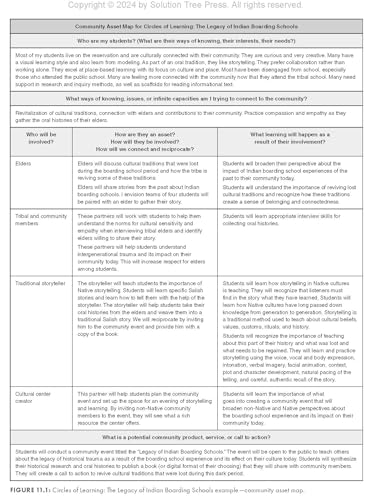
- Q: How does 'Place-Based Learning' suggest mapping community assets? A: It emphasizes the role of maps and countermapping. This helps educators visualize community resources and integrate them into learning.
- Q: What is the focus of the epilogue in 'Place-Based Learning'? A: The epilogue reflects on the importance of sustaining place-based learning. It encourages ongoing commitment to equity in education.
- Q: Can this book be used for professional development? A: Yes, it is an excellent resource for professional development. It provides insights and strategies for educators and school leaders.