
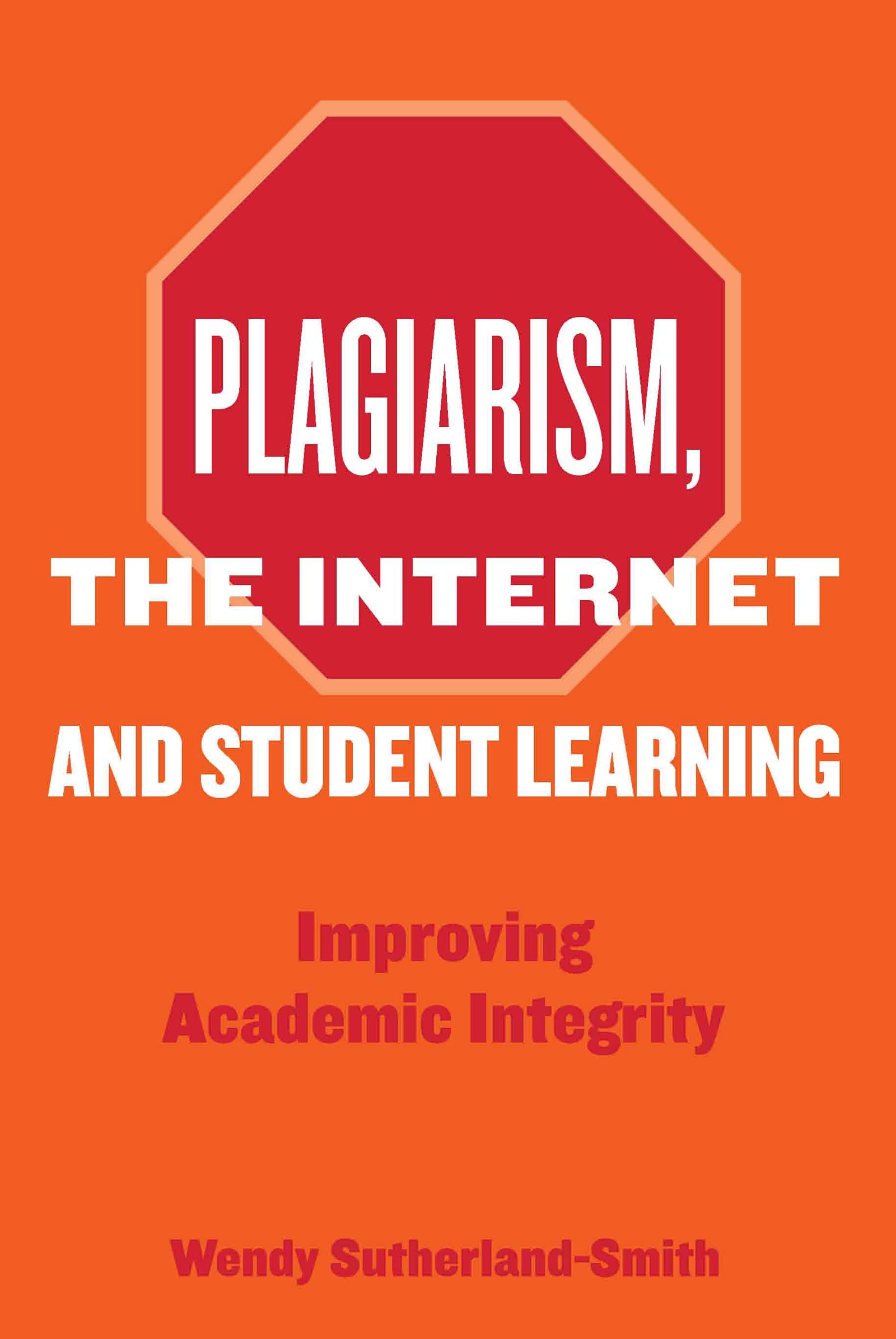
Title
Plagiarism, the Internet, and Student Learning,Used
Sold by Ergodebooks, an authorized reseller.
Returns accepted within 30 days | support@ergodebooks.com
Shipping Information
- Free Standard Shipping — United States only
- Processing Time: 3–5 business days
- Estimated Delivery: 6–10 business days after dispatch
- Double-boxed, fully insured & discreetly packaged
- Tracking number sent via email once dispatched
Returns & Refund
Returns accepted within 30 days of delivery.
Damaged or Defective Item
Free return shipping + replacement or full refund
Wrong Item Received
Free return shipping + replacement or full refund
Change of Mind
Return shipping at customer's expense · 25% restocking fee applies
Payment Option

Written for Higher Education educators, managers and policymakers, Plagiarism, the Internet and Student Learning combines theoretical understandings with a practical model of plagiarism and aims to explain why and how plagiarism developed. It offers a new way to conceptualize plagiarism and provides a framework for professionals dealing with plagiarism in higher education.SutherlandSmith presents a model of plagiarism, called the plagiarism continuum, which usefully informs discussion and direction of plagiarism management in most educational settings. The model was developed from a crossdisciplinary examination of plagiarism with a particular focus on understanding how educators and students perceive and respond to issues of plagiarism. The evolution of plagiarism, from its birth in Law, to a global issue, poses challenges to international educators in diverse cultural settings. The case studies included are the voices of educators and students discussing the complexity of plagiarism in policy and practice, as well as the tensions between institutional and individual responses. A review of international studies plus qualitative empirical research on plagiarism, conducted in Australia between 20042006, explain why it has emerged as a major issue. The book examines current teaching approaches in light of issues surrounding plagiarism, particularly Internet plagiarism. The model affords insight into ways in which teaching and learning approaches can be enhanced to cope with the everchanging face of plagiarism. This book challenges Higher Education educators, managers and policymakers to examine their own beliefs and practices in managing the phenomenon of plagiarism in academic writing.
⚠️ WARNING (California Proposition 65):
This product may contain chemicals known to the State of California to cause cancer, birth defects, or other reproductive harm.
For more information, please visit www.P65Warnings.ca.gov.