
Title
Plague and the End of Antiquity: The Pandemic of 541750,Used
Sold by Ergodebooks, an authorized reseller.
Returns accepted within 30 days | support@ergodebooks.com
Shipping Information
- Free Standard Shipping — United States only
- Processing Time: 3–5 business days
- Estimated Delivery: 6–10 business days after dispatch
- Double-boxed, fully insured & discreetly packaged
- Tracking number sent via email once dispatched
Returns & Refund
Returns accepted within 30 days of delivery.
Damaged or Defective Item
Free return shipping + replacement or full refund
Wrong Item Received
Free return shipping + replacement or full refund
Change of Mind
Return shipping at customer's expense · 25% restocking fee applies
Payment Option

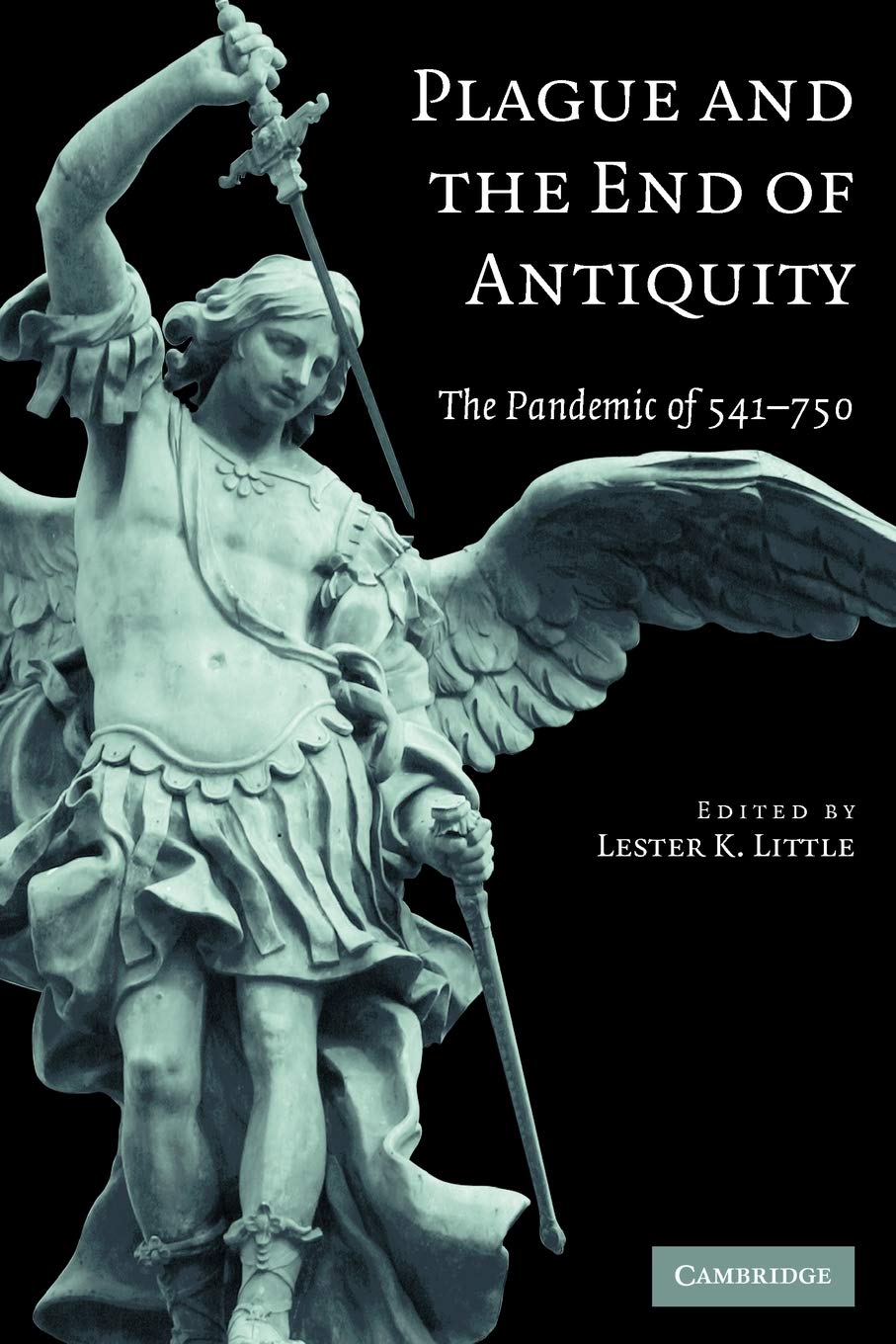
Plague was a key factor in the waning of Antiquity and the beginning of the Middle Ages. Eight centuries before the Black Death, a pandemic of plague engulfed the lands surrounding the Mediterranean Sea and eventually extended as far east as Persia and as far north as the British Isles. Its persisted sporadically from 541 to 750, the same period that witnessed the distinctive shaping of the Byzantine Empire, a new prominence of the Roman papacy and of monasticism, the beginnings of Islam and the meteoric expansion of the Arabic Empire, the ascent of the Carolingian dynasty in Frankish Gaul and, not coincidentally, the beginnings of a positive work ethic in the Latin West. In this volume, the first on the subject, twelve scholars from a variety of disciplineshistory, archaeology, epidemiology, and molecular biology have produced a comprehensive account of the pandemics origins, spread, and mortality, as well as its economic, social, political, and religious effects. The historians examine written sources in a range of languages, including Arabic, Syriac, Greek, Latin, and Old Irish. Archaeologists analyze burial pits, abandoned villages, and aborted building projects. The epidemiologists use the written sources to track the diseases means and speed of transmission, the mix of vulnerability and resistance it encountered, and the patterns of reappearence over time. Finally, molecular biologists, newcomers to this kind of investigation, have become pioneers of paleopathology, seeking ways to identity pathogens in human remains from the remote past.
⚠️ WARNING (California Proposition 65):
This product may contain chemicals known to the State of California to cause cancer, birth defects, or other reproductive harm.
For more information, please visit www.P65Warnings.ca.gov.
- Q: What is the main focus of 'Plague and the End of Antiquity'? A: The book examines the pandemic of plague from 541 to 750 and its significant impacts on the transition from Antiquity to the Middle Ages, including societal, economic, and religious effects.
- Q: Who are the authors of this book? A: The book is authored by Lester K. Little, who has collaborated with twelve scholars from various disciplines including history, archaeology, epidemiology, and molecular biology.
- Q: What topics are covered in the book? A: Topics include the origins and spread of the plague, its mortality rates, and its effects on the Byzantine Empire, the Roman papacy, the rise of Islam, and the Carolingian dynasty.
- Q: How many pages does the book have? A: The book contains 382 pages, providing a comprehensive exploration of its subject matter.
- Q: Is this book suitable for academic research? A: Yes, the book is suitable for academic research as it includes analysis from experts in multiple fields and references a variety of historical sources.
- Q: What condition is the book in? A: The book is listed as 'Used Book in Good Condition', indicating it may show some wear but is still functional for reading and study.
- Q: When was 'Plague and the End of Antiquity' published? A: The book was published on January 14, 2008, with a release date of April 24, 2008.
- Q: What type of binding does this book have? A: The book is available in paperback binding, making it lightweight and portable for readers.
- Q: Can the book help in understanding the social effects of the pandemic? A: Yes, the book discusses the social implications of the pandemic, including changes in work ethic and the dynamics of religious practices during this period.
- Q: Are there illustrations or maps included in the book? A: The book focuses primarily on textual analysis and may not include illustrations or maps; readers interested in visual aids may need to consult additional resources.