
Title
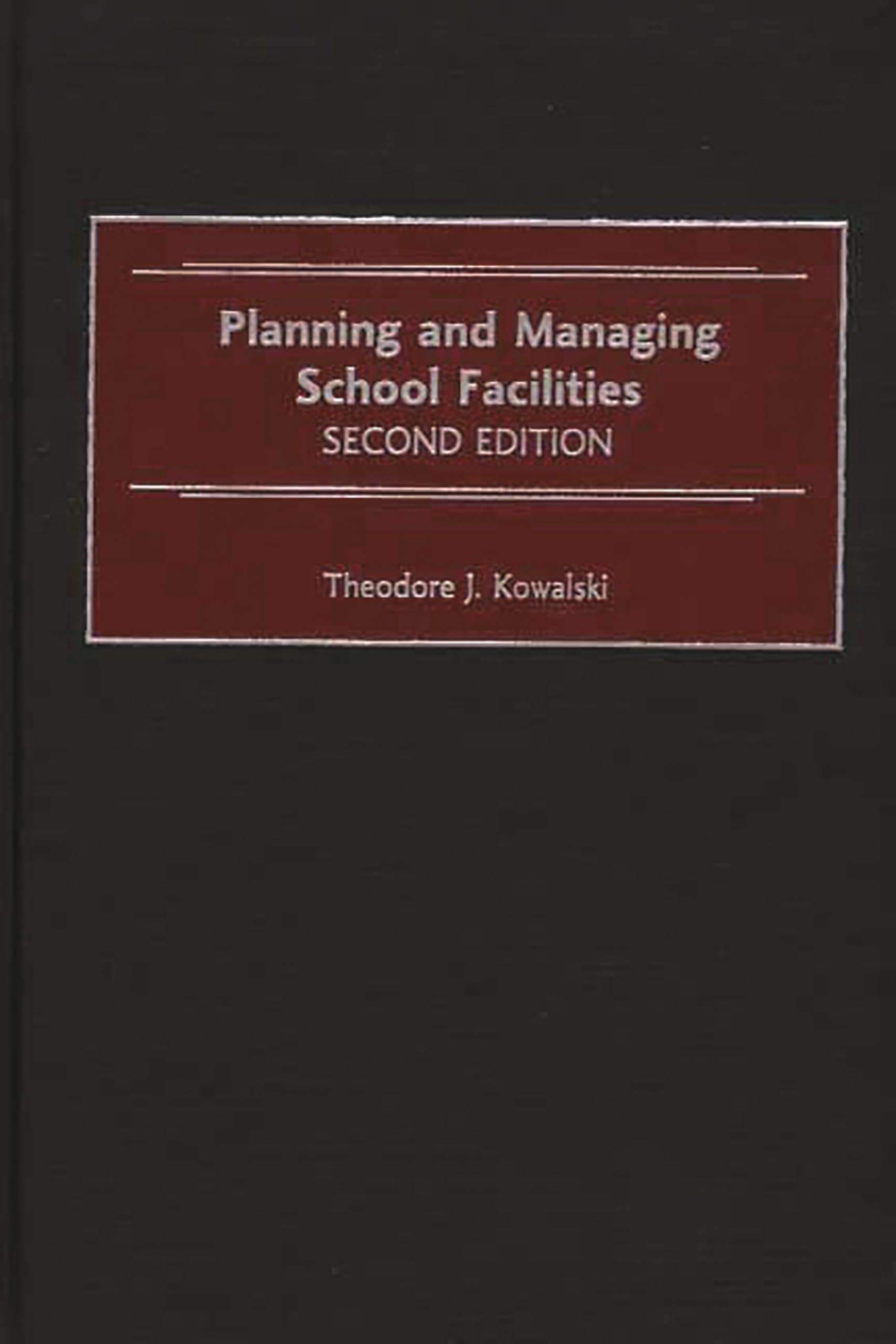
Planning and Managing School Facilities,Used
Sold by Ergodebooks, an authorized reseller.
Returns accepted within 30 days | support@ergodebooks.com
Shipping Information
- Free Standard Shipping — United States only
- Processing Time: 3–5 business days
- Estimated Delivery: 6–10 business days after dispatch
- Double-boxed, fully insured & discreetly packaged
- Tracking number sent via email once dispatched
Returns & Refund
Returns accepted within 30 days of delivery.
Damaged or Defective Item
Free return shipping + replacement or full refund
Wrong Item Received
Free return shipping + replacement or full refund
Change of Mind
Return shipping at customer's expense · 25% restocking fee applies
Payment Option

Nearly half of the nation's school buildings need to be renovated or replaced. This book provides a knowledge base for administrators to plan and manage construction projects, and addresses specific planning tasks including public opinion polling, enrollment projections, financial planning, selecting architects and other professionals, and managing facilities once they are operational.Theodore Kowalski addresses the administrative procedures associated with planning and managing school facilities. As noted at the outset, practitioner interest in school facilities has been growing rapidly in recent years because decades of neglect, poor planning, and cost cutting have created a situation in which large numbers of America's school buildings are in need of major repair or replacement. At the same time, the realization that costs related to repair and replacement have escalated significantly has fueled a new concern among school facility planning and management. Writing for school administrators, superintendents, and board members as well as graudate students in education, Kowalski discusses planning from the perspective of both individual facility projects and more comprehensive districtwide efforts. The responsibilities associated with administering school buildings are also approached from the individual school and district program perspectives.Part One of the book examines historical and contemporary perspectives of school facility planning. A systems perspective is provided for defining the adequacy of school buildings, and the effects of changing demographics, school reform, technology, and obsolescence are detailed. Various planning paradigms and needs assessment are the foci for Part Two. Part Three examines specific tasks related to completing a facility project. They include public opinion polling, securing professional services, and management responsibilities before, during, and after construction. Part Four includes these focused issues: planning elementary schools, planning secondary schools, doing enrollment projections, working with other agencies, choosing between renovation and new construction, financing capital outlay, and maintaining facilities once they become operational.
⚠️ WARNING (California Proposition 65):
This product may contain chemicals known to the State of California to cause cancer, birth defects, or other reproductive harm.
For more information, please visit www.P65Warnings.ca.gov.