
Title

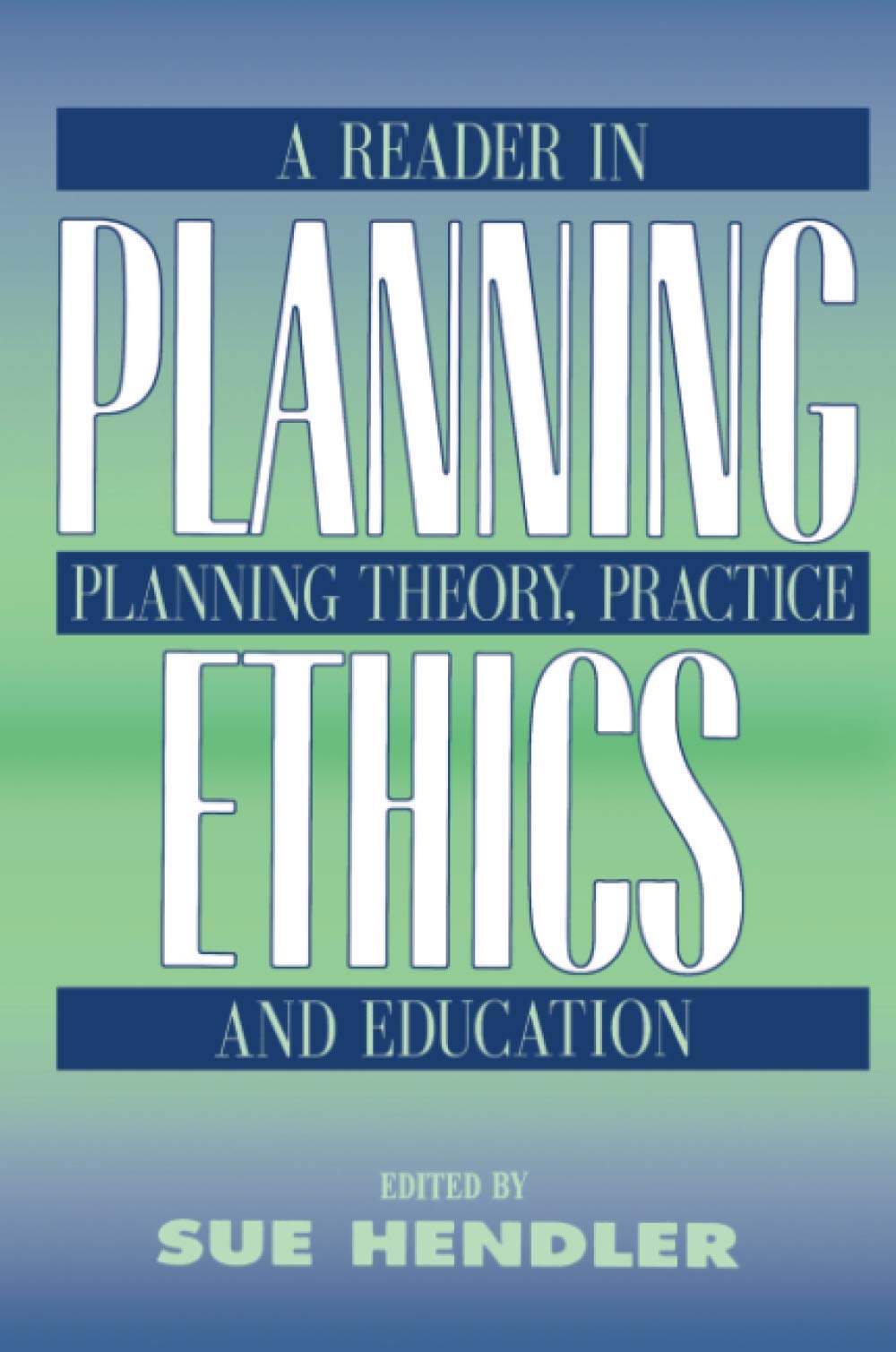
Planning Ethics: A Reader in Planning Theory, Practice and Education,Used
Sold by Ergodebooks, an authorized reseller.
Returns accepted within 30 days | support@ergodebooks.com
Shipping Information
- Free Standard Shipping — United States only
- Processing Time: 3–5 business days
- Estimated Delivery: 6–10 business days after dispatch
- Double-boxed, fully insured & discreetly packaged
- Tracking number sent via email once dispatched
Returns & Refund
Returns accepted within 30 days of delivery.
Damaged or Defective Item
Free return shipping + replacement or full refund
Wrong Item Received
Free return shipping + replacement or full refund
Change of Mind
Return shipping at customer's expense · 25% restocking fee applies
Payment Option

Over the past fifty years professional understanding of planning has changed markedly. In the past, planning was primarily described as a technical activity involving data collection, analysis, and synthesis of physical plans and supporting policies. Now planning is seen as a much broader set of human activities, encompassing the physical world and also the realm of public and social services. Not surprisingly, planners' discussions of ethics have evolved. Professional ethics is regarded by many planners to be limited to a set of rules of behavior regarding interactions with the public, sources of data, government officials, and one another.This shift is symbolized by the evolution of the labels by which ethics is known: from a circumscribed view of professional ethics to a broader concept of ethics in planning; both of which are discussed in this book. Sue Hendler argues that planners recognize that every act of planning pursues certain human values and is a series of statements about what we take to be right or wrong and what we take to represent the highest priorities of the society.Planning Ethics explores planning within alternative moral theories, including liberalism, communitarianism, environmentalism, and feminism. The contributors illustrate the application of these ethical principles in specific planning contexts encompassing community development, land conversion, waste management, electric power planning, and education planning. This is the next generation of thinking on ethics and planning. It will be a centerpiece of every planning curriculum.
⚠️ WARNING (California Proposition 65):
This product may contain chemicals known to the State of California to cause cancer, birth defects, or other reproductive harm.
For more information, please visit www.P65Warnings.ca.gov.