
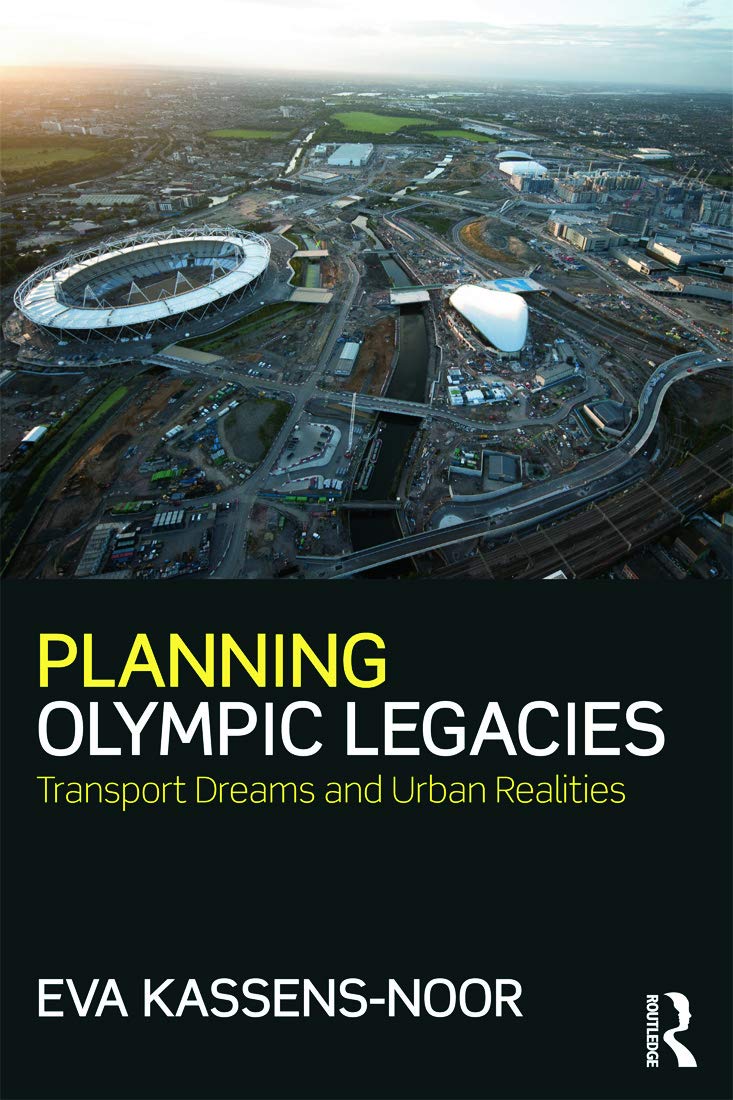
Title
Planning Olympic Legacies: Transport Dreams and Urban Realities,New
Sold by Ergodebooks, an authorized reseller.
Returns accepted within 30 days | support@ergodebooks.com
Shipping Information
- Free Standard Shipping — United States only
- Processing Time: 3–5 business days
- Estimated Delivery: 6–10 business days after dispatch
- Double-boxed, fully insured & discreetly packaged
- Tracking number sent via email once dispatched
Returns & Refund
Returns accepted within 30 days of delivery.
Damaged or Defective Item
Free return shipping + replacement or full refund
Wrong Item Received
Free return shipping + replacement or full refund
Change of Mind
Return shipping at customer's expense · 25% restocking fee applies
Payment Option

When a city wins the right to hold the Olympics, one of the oft cited advantages to the region is the catalytic effect upon the urban and transport projects of the host cities. However, with unparalleled access to documents and records, Eva KassensNoor questions and challenges this fundamental assertion of host cities who claim to have used the Olympic Games as a way to move forward their urban agendasIn fact, transport dreams to stage the 'perfect games' of the International Olympic Committee and the governments of the host cities have lead to urban realities that significantly differ from the development path the city had set out to accomplish before winning the Olympic bid. Ultimately it is precisely the IOCs influence and the citys foresight and sophistication (or lack thereof) in coping with it that determines whether years after the Games there are legacies benefitting the former hosts.The text is supported by revealing interviews from lead host city planners and key documents, which highlight striking discrepancies between media broadcasts and the internal communications between the IOC and host city governments. It focuses on the inside story of the urban and transport change process undergone by four cities (Barcelona, Atlanta, Sydney, and Athens) that staged the Olympics and forecasts London and Rio de Janeiros urban trajectories. The final chapter advises cities on how to leverage the Olympic opportunity to advance their longrun urban strategic plans and interests while fulfilling the International Olympic Committees fundamental requirements.This is a uniquely positioned look at why Olympic cities have or do not have the transport and urban legacies they had wished for. The book will be of interest to planners, government agencies and those involved in organizing future Games.
⚠️ WARNING (California Proposition 65):
This product may contain chemicals known to the State of California to cause cancer, birth defects, or other reproductive harm.
For more information, please visit www.P65Warnings.ca.gov.