
Title
Plantation Enterprise in Colonial South Carolina,New
Sold by Ergodebooks, an authorized reseller.
Returns accepted within 30 days | support@ergodebooks.com
Shipping Information
- Free Standard Shipping — United States only
- Processing Time: 3–5 business days
- Estimated Delivery: 6–10 business days after dispatch
- Double-boxed, fully insured & discreetly packaged
- Tracking number sent via email once dispatched
Returns & Refund
Returns accepted within 30 days of delivery.
Damaged or Defective Item
Free return shipping + replacement or full refund
Wrong Item Received
Free return shipping + replacement or full refund
Change of Mind
Return shipping at customer's expense · 25% restocking fee applies
Payment Option

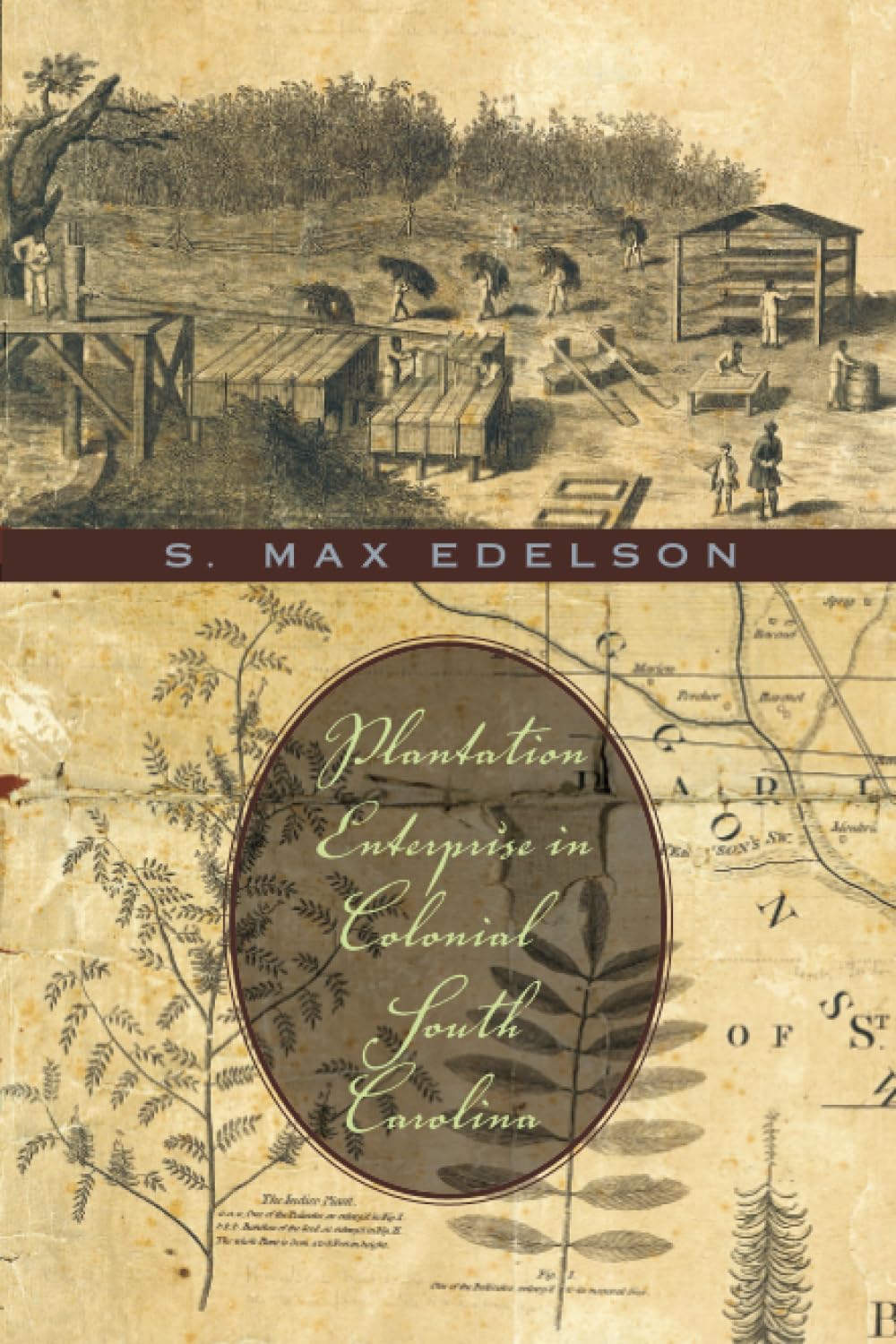
This impressive scholarly debut deftly reinterprets one of America's oldest symbolsthe southern slave plantation. S. Max Edelson examines the relationships between planters, slaves, and the natural world they colonized to create the Carolina Lowcountry.European settlers came to South Carolina in 1670 determined to possess an abundant wilderness. Over the course of a century, they settled highly adaptive rice and indigo plantations across a vast coastal plain. Forcing slaves to turn swampy wastelands into productive fields and to channel surging waters into elaborate irrigation systems, planters initiated a stunning economic transformation.The result, Edelson reveals, was two interdependent plantation worlds. A rough rice frontier became a place of unremitting field labor. With the profits, planters made Charleston and its hinterland into a refined, diversified place to live. From urban townhouses and rural retreats, they ran multipleplantation enterprises, looking to England for affirmation as agriculturists, gentlemen, and stakeholders in Britain's American empire. Offering a new vision of the Old South that was far from static, Edelson reveals the plantations of early South Carolina to have been dynamic instruments behind an expansive process of colonization.With a bold interdisciplinary approach, Plantation Enterprise reconstructs the environmental, economic, and cultural changes that made the Carolina Lowcountry one of the most prosperous and repressive regions in the Atlantic world.
⚠️ WARNING (California Proposition 65):
This product may contain chemicals known to the State of California to cause cancer, birth defects, or other reproductive harm.
For more information, please visit www.P65Warnings.ca.gov.
- Q: What is the page count of 'Plantation Enterprise in Colonial South Carolina'? A: The book has four hundred pages. This extensive length allows for an in-depth exploration of the topic.
- Q: What are the dimensions of this book? A: The book measures six point fourteen inches in length, one inch in width, and nine point twenty-one inches in height. These dimensions make it a standard-sized paperback.
- Q: What type of binding does this book have? A: This book is published in paperback binding. This format is suitable for easy handling and reading.
- Q: Who is the author of 'Plantation Enterprise in Colonial South Carolina'? A: The author is S. Max Edelson. He offers a scholarly perspective on the historical significance of plantations in the South.
- Q: What is the genre of this book? A: The book falls under the genre of Economic History. It examines the economic transformations in colonial South Carolina.
- Q: How do I read 'Plantation Enterprise in Colonial South Carolina'? A: You can read this book at your own pace. It is suitable for anyone interested in history, particularly economic and cultural transformations.
- Q: Is this book suitable for all ages? A: Yes, the book is suitable for adult readers and older teens. It discusses complex themes that may require a mature understanding.
- Q: How does the book explore the plantation economy? A: The book analyzes the relationships between planters, slaves, and the environment. It covers the transformation of the Carolina Lowcountry into a prosperous region.
- Q: What themes are discussed in 'Plantation Enterprise in Colonial South Carolina'? A: The main themes include economic transformation, slavery, and environmental changes in colonial South Carolina. These themes provide a comprehensive view of the era.
- Q: How should I care for this book? A: To keep the book in good condition, store it in a cool, dry place and avoid exposure to direct sunlight. This helps preserve the binding and pages.
- Q: Is there a warranty on this book? A: Books typically do not come with a warranty. However, check with the retailer for their return policy if you receive a damaged copy.
- Q: What if the book arrives damaged? A: If the book arrives damaged, contact the retailer for a return or exchange. Most retailers have customer service to assist with such issues.
- Q: Can I buy this book online? A: Yes, 'Plantation Enterprise in Colonial South Carolina' is available for purchase online. Retailers like Amazon and the publisher's website carry it.
- Q: Is this book a good choice for beginners in history? A: Yes, it is accessible for beginners. The author's clear writing style makes complex historical topics easier to understand.
- Q: How does this book compare to other historical texts? A: This book provides a unique interdisciplinary approach compared to other historical texts. It combines economic, cultural, and environmental perspectives.
- Q: What makes this book different from other books on plantations? A: This book offers a dynamic view of plantations, portraying them as instruments of colonization rather than static entities. This perspective adds depth to the discussion.