If you have any questions, you are always welcome to contact us. We'll get back to you as soon as possible, withing 24 hours on weekdays.
Customer service
All questions about your order, return and delivery must be sent to our customer service team by e-mail at yourstore@yourdomain.com
Sale & Press
If you are interested in selling our products, need more information about our brand or wish to make a collaboration, please contact us at press@yourdomain.com
Help
If you have any questions, you are always welcome to contact us. We'll get back to you as soon as possible, withing 24 hours on weekdays.
Customer service
All questions about your order, return and delivery must be sent to our customer service team by e-mail at yourstore@yourdomain.com
Sale & Press
If you are interested in selling our products, need more information about our brand or wish to make a collaboration, please contact us at press@yourdomain.com
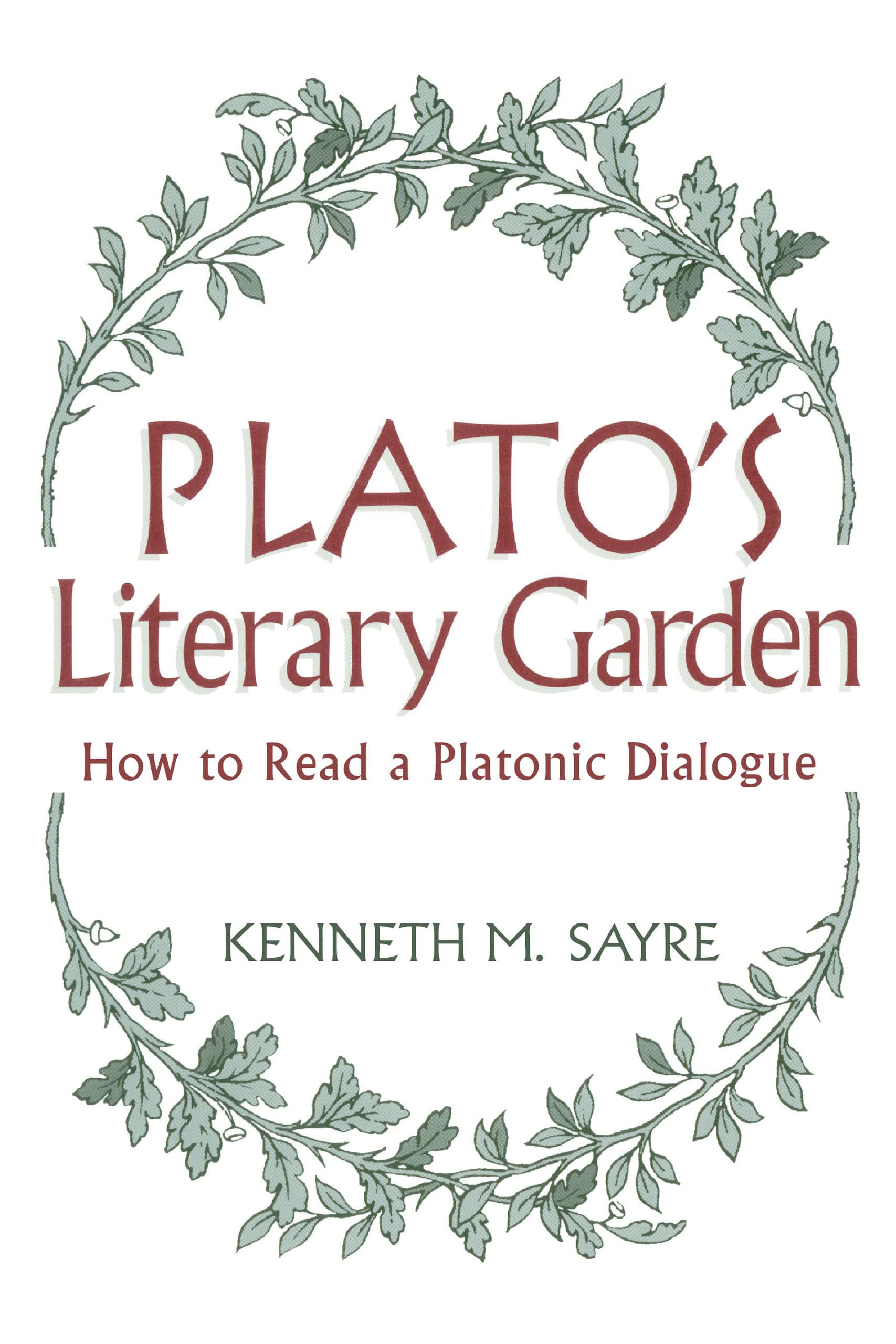
Plato's dialogues are universally acknowledged as standing among the masterworks of the Western philosophic tradition. What most readers do not know, however, is that Plato also authored a public letter in which he unequivocally denies ever having written a work of philosophy. If Plato did not view his written dialogues as works of philosophy, how did he conceive them, and how should readers view them? In Plato's Literary Garden, Kenneth M. Sayre brings over thirty years of Platonic scholarship to bear on these questions, arguing that Plato did not intend the dialogues to serve as repositories of philosophic doctrine, but instead composed them as teaching instruments.
⚠️ WARNING (California Proposition 65):
This product may contain chemicals known to the State of California to cause cancer,
birth defects, or other reproductive harm.
For MAP (Minimum Advertised Price) violations and Intellectual Property (IP) or Trademark concerns, please contact:
support@ergodebooks.com
⚠️ California Proposition 65 Warning: Some products sold on this website may expose you to chemicals known to the State of California to cause cancer, birth defects, or other reproductive harm. For more information, visit www.P65Warnings.ca.gov.